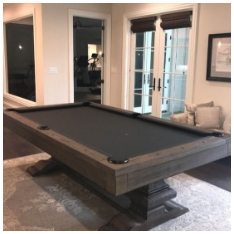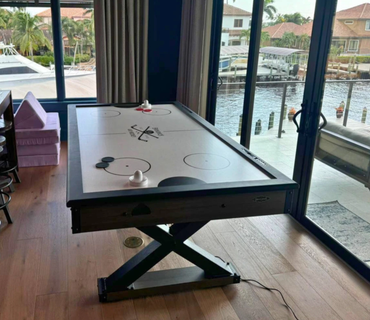
Choosing the right game table for your home depends on your available space, preferred activities, and the type of entertainment you enjoy. Table tennis and air hockey are popular options for family game rooms, recreation areas, and entertainment spaces. Both offer competitive gameplay, encourage social interaction, and provide an enjoyable way to spend time indoors. However, their playing styles, equipment requirements, and maintenance needs differ.
Understanding these differences can help you decide which option suits your household. Whether you enjoy improving your coordination through table tennis or competing in fast-paced air hockey matches, selecting the right table will help you make the most of your game room.
Understanding Table Tennis and Air Hockey
Before purchasing either option, consider how each game works and what makes it suitable for different players.
What Makes Table Tennis a Good Choice?
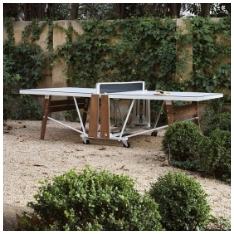
Table tennis, also known as ping-pong, involves hitting a lightweight ball across a net using small paddles. Players can compete in singles or doubles matches, making it suitable for individuals, couples, and groups.
The game develops hand-eye coordination, reflexes, footwork, and strategic thinking. Players can enjoy casual matches or practise regularly to improve their technique. Table tennis is also available in several table designs, including full-size competition models, foldable tables, and compact versions for smaller rooms.

Why Choose an Air Hockey Table?
Air hockey offers a different type of competition. A perforated playing surface releases air that allows a lightweight puck to glide smoothly across the table. Players use handheld strikers to hit the puck into their opponent's goal.
The rules are straightforward, so beginners can start playing quickly. Its fast-paced nature makes air hockey particularly appealing for families, children, and people who prefer short, energetic matches. Many models include electronic scoring, goal counters, and sound effects to make gameplay more engaging.

Key Differences to Consider Before Buying
When deciding which table suits your home, compare the following practical factors.
Space and Room Layout
Table tennis generally requires a substantial playing area because players need room to move around the table and return shots. A standard full-size table measures approximately 9 feet long and 5 feet wide. Additional clearance is necessary around the playing surface for comfortable movement.
Air hockey tables are available in different sizes, from compact tabletop models to full-size arcade-style designs. Although players usually remain close to their respective ends, the table still needs sufficient surrounding space for safe movement.
Measure your room before making a purchase. Include space for walking, seating, storage, and other furniture. Foldable table tennis models can be practical when the game table must share space with other activities.
Gameplay and Player Preferences
Your preferred style of play is another important consideration. Table tennis rewards precision, timing, controlled shots, and tactical decision-making. It can accommodate relaxed recreational play as well as structured practice.
Air hockey focuses on quick reactions, puck control, and anticipating an opponent's movements. Matches are often shorter and easier to organise, which can be convenient during family gatherings or social events.
If your household enjoys practising a sport and developing skills over time, table tennis may be the better choice. If you prefer simple rules and immediate competition, air hockey could be more suitable.
Features, Durability, and Maintenance
The quality of a game table affects its performance, lifespan, and overall value.
Table Construction and Essential Features
For table tennis, examine the playing surface thickness, frame stability, leg construction, net system, and folding mechanism. A level surface and sturdy frame support consistent ball bounce and comfortable play.
For air hockey, look for a smooth playing surface, reliable airflow, durable strikers, and a responsive scoring system. The blower motor is particularly important because it helps maintain consistent puck movement.
Both types of tables should have stable legs and secure fittings. If children will use the table, consider rounded edges, reliable locking mechanisms, and a design appropriate for their age.
Cleaning and Ongoing Care
Table tennis tables generally require regular dusting and occasional cleaning with a suitable surface cleaner. Keep the table dry, avoid placing heavy objects on the playing surface, and store paddles and balls safely.
Air hockey tables need attention to the playing surface and air holes. Dust and debris can interfere with airflow, so clean the surface regularly and follow the manufacturer's instructions for maintaining the blower system.
For both options, inspect fasteners, legs, and moving components periodically. Proper care helps preserve performance and reduces the likelihood of avoidable repairs.
Budget and Long-Term Value
The cost of either table depends on its size, materials, features, and intended use. Compact recreational models are generally more affordable than full-size tables designed for frequent or competitive play.
When comparing prices, consider more than the initial purchase cost. Table tennis may require paddles, balls, a net, and protective storage. Air hockey may involve electricity, replacement pucks, strikers, and occasional blower maintenance.
Think about how frequently the table will be used and how many people will enjoy it. A durable model that suits your household's needs can offer better long-term value than a cheaper table that is poorly constructed or rarely used.
How to Choose the Right Game Table for Your Home
The best choice depends on your priorities. Consider the age of the players, available room dimensions, preferred gameplay, and how the table will fit into your existing entertainment area.
Table tennis is well suited to households that enjoy skill-based games, regular practice, and singles or doubles matches. Air hockey is a strong option for families and social spaces where quick, accessible competition is the main goal.
If you have enough space and enjoy both styles of play, consider whether your budget and room layout can accommodate both tables. Alternatively, a multi-game table may offer several activities in one unit, although its playing experience may differ from that of a dedicated table.
Before buying, check the manufacturer's dimensions, assembly requirements, warranty, replacement-part availability, and storage options.
Final Thoughts
Deciding which table tennis or air hockey table is right for you starts with understanding how you plan to use it. Table tennis offers opportunities to develop coordination, technique, and strategy, while air hockey delivers fast-paced matches with simple rules.
Evaluate your available space, budget, preferred playing style, and maintenance expectations before making a decision. By comparing these factors carefully, you can select a game table that fits your home and provides enjoyable entertainment for years to come.