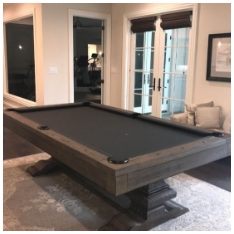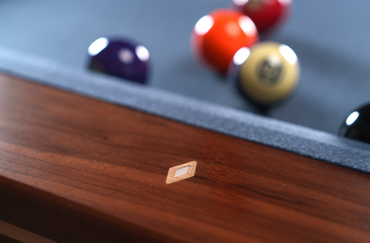
Buying a pool table is a long-term investment that affects both gameplay quality and the overall look of your space. Whether you are setting up a home game room or adding a table to a commercial space, knowing what you should check before buying pool tables for Sale? can help you avoid costly mistakes. From table size to slate quality, every detail plays a role in performance, durability, and comfort.
Understand Your Space Requirements
Measure the Room Carefully
Before browsing pool tables for sale, start by measuring the room where the table will be placed. A pool table requires more than just floor space for the table itself. You also need enough clearance around all sides to comfortably use cues.
A general rule is to allow at least five feet of space on each side of the table. For smaller rooms, shorter cues may be used, but this can slightly affect gameplay. Proper planning ensures the table fits well without making the room feel cramped.
Choose the Right Table Size
Pool tables come in several standard sizes, typically ranging from 7-foot to 9-foot tables. A 7-foot table is suitable for most homes, while 8-foot and 9-foot tables are often used in larger rooms or professional settings. The right size depends on both room dimensions and how seriously the table will be used.

Check the Slate Quality
One-Piece vs. Multi-Piece Slate
The slate is the most important part of a pool table, as it directly affects ball roll and accuracy. High-quality pool tables use natural slate, which provides a smooth and level playing surface.
One-piece slate tables are ideal for permanent setups, offering excellent consistency. Multi-piece slate tables are easier to move and install, but proper leveling during installation is essential to maintain performance.
Slate Thickness Matters
Slate thickness typically ranges from three-quarters of an inch to one inch. Thicker slate provides better stability and durability, especially for frequent play. When evaluating pool tables for sale, always ask about the slate thickness and material.
Evaluate Frame and Construction
Solid Wood vs. Engineered Materials
The frame supports the slate and determines the table’s longevity. Solid hardwood frames are known for strength and durability, making them a preferred choice for long-term use. Engineered wood or composite materials can be more affordable but may not offer the same lifespan.
Leg Design and Support
Strong, well-designed legs help distribute the table’s weight evenly. Adjustable leg levelers are an added advantage, allowing you to fine-tune the table’s balance even after installation.
Review the Cloth and Cushions
Cloth Type and Color
Pool table cloth affects speed and control. Wool or wool-blend cloths are commonly used and offer reliable performance. Synthetic cloths may be more affordable and easier to maintain but can feel different during play.
Color choice is not just decorative. Traditional green reduces eye strain, while modern shades like blue or gray can complement contemporary interiors.
Cushion Responsiveness
High-quality rubber cushions ensure consistent ball rebound. Press gently on the cushions to check their firmness. Poor-quality cushions can deaden shots and reduce playing accuracy over time.
Inspect Pockets and Rails
Pocket Size and Material
Pockets influence difficulty and play style. Standard pockets are ideal for casual play, while tighter pockets suit experienced players. Leather or reinforced pockets tend to last longer and add a refined look.
Rail Alignment
Rails should be firmly attached and evenly aligned. Misaligned rails can disrupt ball movement and indicate poor craftsmanship.
Consider Accessories and Installation
Included Accessories
Some pool tables for sale come with accessories such as cues, balls, racks, and chalk. While these items add convenience, focus primarily on the table’s quality. Accessories can always be upgraded later.
Professional Installation
Proper installation is essential, especially for slate tables. Professional installers ensure the slate is leveled correctly and the cloth is stretched evenly. This step directly affects gameplay and should not be overlooked.
Match Style with Interior Design
Design and Finish
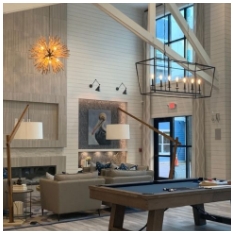
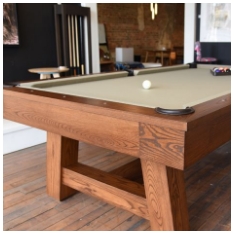
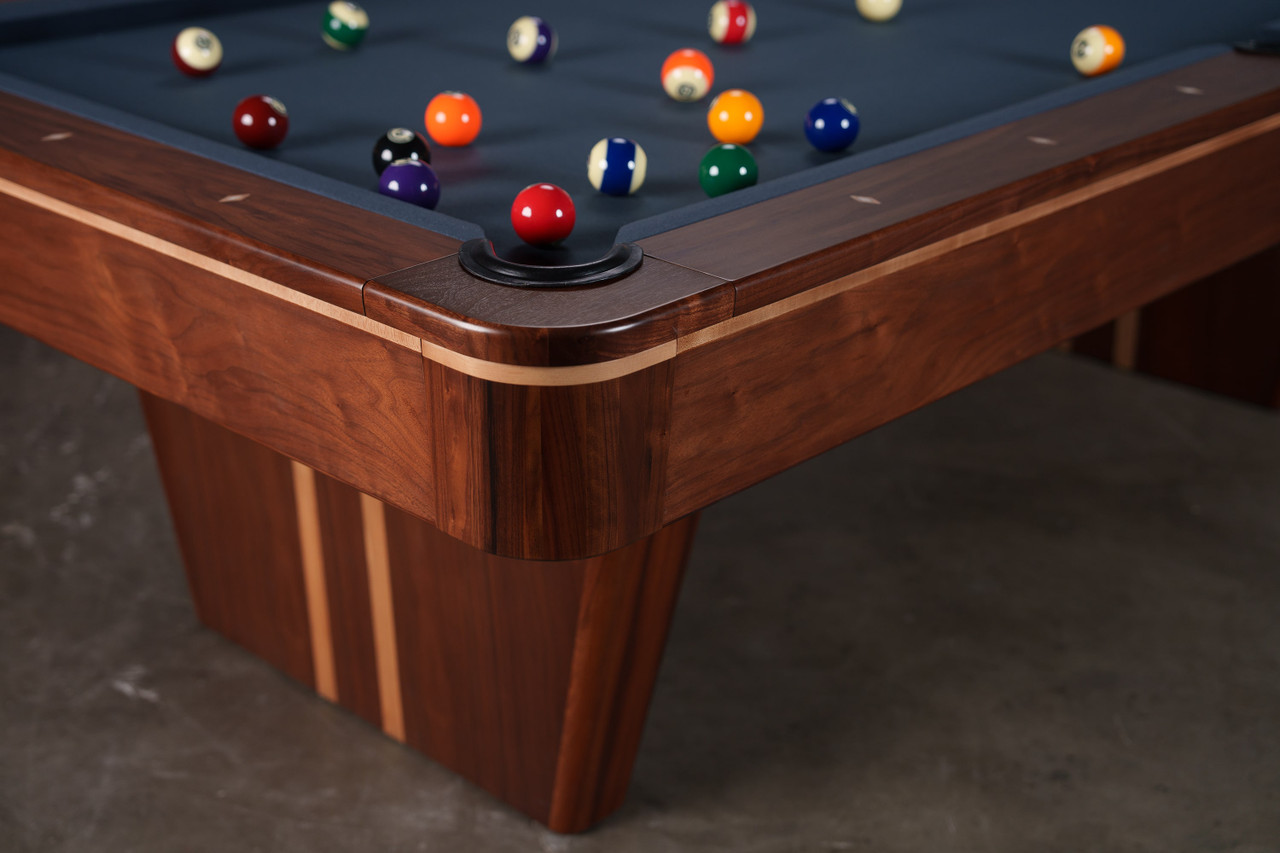
Pool tables are available in traditional, modern, and transitional designs. Choose a finish that complements your existing décor. A well-matched table enhances the room’s appearance while serving as a functional centerpiece.
Customization Options
Some manufacturers offer customization in finishes, cloth colors, and pocket styles. Custom options allow you to balance aesthetics with performance needs.
Budget and Warranty Considerations
Set a Realistic Budget
Prices vary widely based on materials, size, and craftsmanship. While it may be tempting to choose the lowest-priced option, investing in quality often results in better performance and fewer repairs over time.
Check Warranty and Support
A reliable warranty reflects the manufacturer’s confidence in their product. Look for coverage on the slate, frame, and cushions. Good after-sales support adds peace of mind.
Final Thoughts
Understanding What Should You Check Before Buying Pool Tables for Sale helps you make a confident and informed decision. By evaluating space requirements, slate quality, construction, and overall design, you ensure the table delivers consistent gameplay and long-term value. A carefully chosen pool table is more than just a game accessory; it becomes a lasting addition to your home or business, providing enjoyment for years to come.