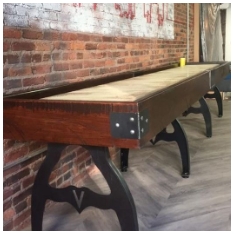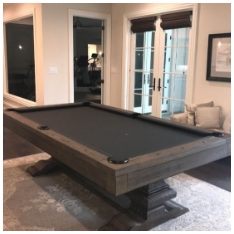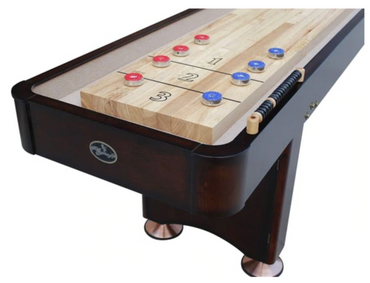
Shuffleboard tables have become a popular addition to homes, game rooms, and recreational spaces. They offer a balance of skill, strategy, and social play, making them suitable for players of all ages. However, not all shuffleboard tables are built the same. Understanding What Features Should You Look for in a Shuffleboard Table is essential before making an investment, especially if you want long-term durability and consistent performance.
Why Choosing the Right Shuffleboard Table Matters
A shuffleboard table is not just a piece of furniture; it is a precision gaming surface. The right table ensures smooth gameplay, accurate scoring, and reduced maintenance over time. A poorly built table, on the other hand, may warp, crack, or lose its playability, leading to frustration and added costs.
By focusing on construction quality, materials, and size, you can ensure that your shuffleboard table remains enjoyable for years.
Table Size and Room Requirements
Standard Shuffleboard Table Lengths
Shuffleboard tables are available in various lengths, typically ranging from 9 feet to 22 feet. Common residential sizes include 12-foot, 14-foot, and 16-foot tables. Larger tables provide a more traditional playing experience, while shorter tables are better suited for limited spaces.
Space Around the Table
When deciding on size, consider not only the table length but also the surrounding clearance. Players need room at both ends to shoot comfortably. As a general guideline, allow at least 2 to 3 feet of space on each side and end of the table.

Playfield Material and Thickness
Solid Wood vs. Veneered Playfields
The playfield is the most important part of a shuffleboard table. High-quality tables use solid hardwood, such as maple or birch, for the playing surface. Solid wood provides better durability and smoother puck glide compared to thinner veneered surfaces.
Playfield Thickness
Playfield thickness usually ranges from 1.5 inches to 3 inches. Thicker playfields resist warping and offer more consistent gameplay. For frequent or competitive play, a thicker surface is strongly recommended.
Climate Adjusters and Leveling System
Why Climate Adjusters Are Important
Wood naturally expands and contracts due to temperature and humidity changes. Climate adjusters, often built into the underside of the playfield, allow you to fine-tune the surface and keep it level. This feature is essential for maintaining accurate play throughout the year.
Leg Levelers for Stability
In addition to climate adjusters, quality tables include adjustable leg levelers. These ensure the table remains stable on uneven floors and help maintain a flat playing surface.
Finish and Coating Quality
Protective Coatings
A durable finish protects the playfield from scratches, moisture, and wear. Polymer or epoxy coatings are commonly used to create a smooth, fast-playing surface while preserving the wood underneath.
Smoothness and Speed
The coating should allow pucks to glide smoothly without sticking or slowing unevenly. A well-finished surface reduces the amount of shuffleboard wax needed and ensures consistent speed across the table.
Cabinet and Frame Construction
Cabinet Strength and Design
The cabinet supports the playfield and absorbs impact during gameplay. Look for cabinets made from solid wood or reinforced engineered wood. A strong cabinet prevents sagging and improves overall stability.
Style and Appearance
While performance is important, appearance also matters. Shuffleboard tables are available in various finishes and styles, from classic to modern. Choose a design that complements your existing décor without compromising build quality.

Accessories and Included Features
Pucks and Wax
Many shuffleboard tables come with pucks and shuffleboard wax included. While these accessories can be purchased separately, having them included adds value and convenience.
Scoring Systems
Some tables feature built-in scoring systems, while others rely on traditional manual scoring. Choose the option that best suits your preference and the level of formality you want during play.
Maintenance and Long-Term Care
Ease of Cleaning
A good shuffleboard table should be easy to clean with regular brushing and occasional reapplication of wax. Smooth finishes reduce dust buildup and simplify maintenance.
Durability Over Time
Investing in a well-constructed table minimizes the risk of warping, cracking, or surface damage. Long-term durability should be a top consideration when evaluating price versus quality.
Conclusion
Understanding What Features Should You Look for in a Shuffleboard Table? helps you make a confident and informed decision. From choosing the right size and playfield thickness to ensuring proper leveling systems and durable finishes, each feature plays a role in the overall playing experience.
A shuffleboard table is a long-term addition to your space. By focusing on quality construction, reliable materials, and thoughtful design, you can enjoy smooth gameplay, minimal maintenance, and lasting value for years to come.