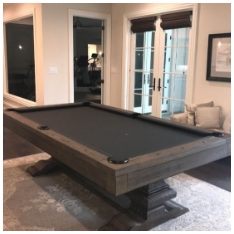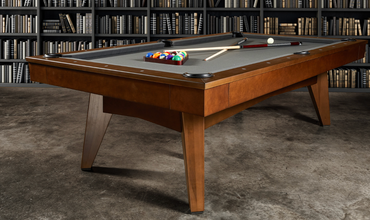
Buying a pool table is a long-term investment, whether it is for a home game room, a recreational space, or a professional setting. With so many options available, buyers often ask a crucial question: What Features Matter Most in Pool Tables for Sale? Understanding the essential components of a quality pool table helps you choose a model that delivers consistent play, durability, and value for money.
This guide breaks down the most important features to consider before purchasing, ensuring you make a confident and informed decision.
Understanding the Basics of Pool Table Construction
Before comparing designs and prices, it is important to understand how a pool table is built. Each component plays a role in performance, stability, and lifespan.
The Role of the Playing Surface
The playing surface is the core of any pool table. A flat, level surface ensures accurate ball movement and fair gameplay. Inferior materials can lead to warping and uneven rolls over time.

Slate: The Foundation of Quality Pool Tables
Why Slate Thickness Matters
Slate is widely regarded as the best material for pool table playing surfaces. It is dense, durable, and resistant to warping. Slate typically comes in one-piece or three-piece configurations.
- One-piece slate offers simplicity and is suitable for smaller tables.
- Three-piece slate allows for easier transport and more precise leveling, especially for larger tables.
Thicker slate provides better stability. A minimum of one-inch slate is generally preferred for consistent play.
Natural vs Engineered Slate
Natural slate is quarried stone, while engineered slate is a composite material. Natural slate remains the preferred choice due to its long-term durability and authentic playing experience.
Frame and Cabinet Construction
Importance of Solid Wood Frames
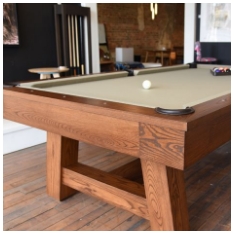
The frame supports the slate and absorbs the impact of gameplay. Solid hardwood frames, such as maple or oak, provide superior strength compared to softwood or particle board alternatives.
A sturdy frame prevents sagging over time and maintains table alignment. When evaluating what features matter most in pool tables for sale, frame construction should never be overlooked.
Cabinet Design and Finish
While aesthetics may seem secondary, the cabinet also contributes to structural integrity. Well-crafted cabinets protect internal components and enhance the table’s longevity.
Cloth Quality and Performance
Types of Pool Table Cloth
Pool table cloth affects ball speed, control, and durability. Most tables use either woolen cloth or worsted cloth.
- Woolen cloth is thicker and more forgiving, making it suitable for casual play.
- Worsted cloth is smoother and faster, preferred in competitive environments.
Choosing the right cloth depends on your playing style and level of experience.
Maintenance and Wear
Higher-quality cloth resists pilling and wear, reducing maintenance costs over time. Proper cloth selection ensures consistent performance throughout the table’s lifespan.
Cushions and Rail Construction
Rubber Cushion Quality
Cushions determine how balls rebound off the rails. High-quality rubber cushions provide consistent and predictable bounce, which is essential for accurate shot-making.
Inferior cushions may harden or lose elasticity, negatively affecting gameplay.
Rail Attachment and Stability
Rails should be securely fastened to the table frame. Loose or poorly aligned rails can compromise play accuracy and require frequent adjustments.
Table Size and Room Compatibility
Choosing the Right Table Size
Pool tables come in various sizes, commonly ranging from 6-foot to 9-foot tables. The right size depends on available space and intended use.
- Smaller tables are suitable for compact rooms and casual play.
- Larger tables offer a professional experience but require more clearance for cue movement.
Measuring your room carefully ensures the table fits comfortably without restricting gameplay.
Ceiling Height and Lighting Considerations
Adequate ceiling height is essential for comfortable cue action. Proper lighting placement also enhances visibility and overall playing experience.

Pockets and Hardware Details
Pocket Material and Design
Pockets can be made from leather, rubber, or synthetic materials. Well-designed pockets securely catch balls without excessive bounce-outs.
Pocket size also influences difficulty level. Tighter pockets offer a more challenging experience, while wider pockets suit recreational play.
Hardware and Accessories
Quality hardware, such as bolts and leveling systems, contributes to the table’s stability. Adjustable leg levelers are particularly useful for maintaining a flat playing surface over time.
Balancing Quality, Budget, and Long-Term Value
When considering what features matter most in pool tables for sale, it is important to balance quality with budget. Investing in durable materials often reduces long-term maintenance and replacement costs.
A well-built pool table retains its performance and appearance for years, making it a worthwhile addition to any space.
Final Thoughts
Choosing the right pool table requires more than selecting an attractive design. From slate thickness and frame construction to cloth quality and cushion performance, each feature influences gameplay and durability.
By understanding What Features Matter Most in Pool Tables for Sale?, buyers can confidently select a table that meets their needs, fits their space, and provides a consistent playing experience. Taking the time to evaluate these key elements ensures your investment delivers lasting enjoyment and reliable performance.