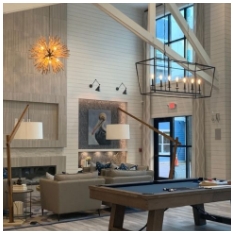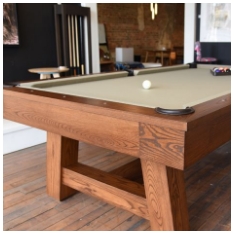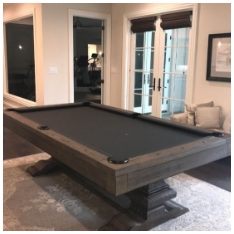
Buying a pool table is an exciting investment. Whether you are designing a dedicated game room or adding a table to your living area, proper planning is essential. One of the most important factors to consider before purchasing is the room size requirements for Your Pool Table.
Without adequate space, even the finest table will feel uncomfortable to play on. Players need enough clearance to use a cue properly from every angle. This guide explains standard table sizes, clearance measurements, and how to calculate the ideal room dimensions for your space.
Why Room Size Matters
A pool table is not just furniture; it is sporting equipment. Unlike a sofa or dining table, it requires movement space around all sides. If the room is too small:
- Players may hit walls with the cue stick
- Shots from the rail become difficult
- Gameplay feels restricted
- The overall experience becomes frustrating
Planning ahead ensures smooth gameplay and protects your walls, cues, and overall investment.
Standard Pool Table Sizes
Before calculating space requirements, you need to understand table dimensions. Pool tables are measured by the length of the playing surface, not the outer frame.
Common Residential Sizes
- 7-Foot Table (Bar Size)
Playing surface: 39” x 78” - 8-Foot Table (Standard Home Size)
Playing surface: 44” x 88” - 9-Foot Table (Professional Size)
Playing surface: 50” x 100”
The 8-foot table is the most popular choice for homes because it offers a balanced playing experience without requiring excessive space.

Standard Cue Length and Clearance
Most standard pool cues measure 58 inches long. To play comfortably, you need enough space to extend the cue fully in all directions.
Basic Clearance Formula
To calculate room size:
Room Length = Table Length + 2 × Cue Length
Room Width = Table Width + 2 × Cue Length
This ensures players can take full shots from every side of the table without obstruction.
Room Size Requirements by Table Type
Here are the recommended minimum room dimensions based on a standard 58-inch cue.
For a 7-Foot Table
- Table Size: 39” x 78”
- Recommended Room Size: 13' x 16'
For an 8-Foot Table
- Table Size: 44” x 88”
- Recommended Room Size: 13'6" x 17'
For a 9-Foot Table
- Table Size: 50” x 100”
- Recommended Room Size: 14' x 18'
These dimensions provide comfortable play without compromising shot angles.
What If Your Room Is Smaller?
Not every home has ideal space. If your room is slightly smaller than recommended, there are practical solutions:
- Use shorter cues (52" or 48") for tight areas
- Install wall protectors
- Choose a smaller table size
- Rearrange furniture to maximize clearance
However, these adjustments should be temporary solutions. For the best experience, meeting the proper room size requirements for your pool table remains important.
Additional Space Considerations
Room dimensions are not the only factor to evaluate. Consider the following before installation:
Ceiling Height
Standard ceiling height (8 feet) is usually sufficient. However, ensure lighting fixtures do not hang too low above the table.
Lighting Placement
Install a dedicated pool table light centered above the table. The light should hang approximately 30–36 inches above the playing surface.
Furniture and Walkways
Leave additional walking space beyond cue clearance if you plan to add:
- Seating
- Scoreboards
- Storage racks
- Decorative elements
A crowded room reduces comfort and visual appeal.

Measuring Your Room Correctly
Before purchasing, measure your room carefully:
- Measure wall-to-wall length and width.
- Note any obstructions such as columns or door openings.
- Mark table dimensions on the floor using painter’s tape.
- Simulate cue movement around the edges.
This practical step helps you visualize whether the space feels comfortable.
Choosing the Right Table for Your Space
If your available room size falls between two table options, consider:
- Your skill level
- Frequency of use
- Purpose (casual play vs. practice)
- Long-term home plans
For beginners or casual family use, a 7-foot table works well in moderate spaces. For serious players, an 8-foot or 9-foot table provides better practice conditions.
Professional Installation Matters
Pool tables are heavy and require precise leveling. Professional installers ensure:
- Proper alignment
- Stable frame placement
- Accurate cloth stretching
- Safe transportation
Correct installation enhances performance and prevents uneven play.
Final Thoughts
Planning ahead saves time, money, and frustration. The key to enjoying your investment is understanding the exact room size requirements for your pool table before making a purchase.
By accounting for cue length, clearance space, lighting, and furniture layout, you can create a comfortable and functional game room. Whether you choose a compact 7-foot model or a professional 9-foot table, accurate room measurement ensures every shot feels smooth and unrestricted.
A well-planned space not only improves gameplay but also adds value and enjoyment to your home for years to come.