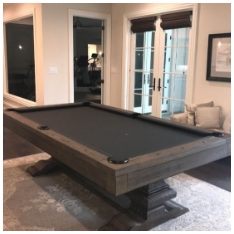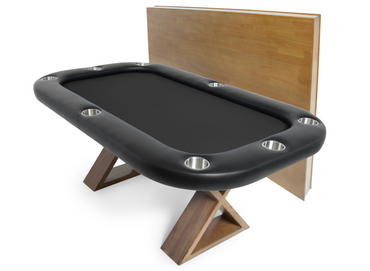
Poker is a game that relies on focus, decision-making, and consistency. While strategies, rules, and player skills are essential, the physical environment in which the game is played also has a measurable impact. Among all physical elements, the poker table plays a central role. Understanding how poker tables elevate your gaming experience helps players appreciate why table design, structure, and comfort matter as much as the cards themselves.
A poker table is not simply furniture. It is a functional tool designed to support smooth gameplay, reduce distractions, and maintain fairness throughout each hand.
The Role of a Poker Table in Gameplay
A poker table defines how the game operates. It establishes player positions, organizes chips and cards, and sets the pace of play. When a table is poorly designed, players often face issues such as cluttered betting areas, uncomfortable seating positions, and unclear card visibility.
A well-constructed poker table, on the other hand, provides a consistent playing surface and clear layout. This structure allows players to concentrate on strategy rather than adjusting to physical inconveniences. Over time, this consistency improves the overall quality of the game.
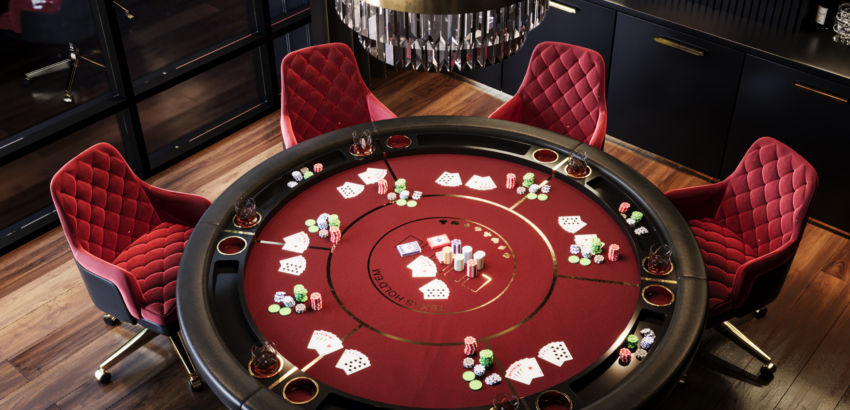
Key Design Elements That Improve the Gaming Experience
Table Shape and Player Arrangement
Poker tables come in several shapes, including oval, round, and octagonal. Each shape influences how players interact and how smoothly the game runs.
- Oval tables allow balanced spacing and are common in both home and casino settings
- Round tables promote equal visibility for all players
- Octagonal tables work well for fixed player counts
Proper spacing ensures players can see cards, chips, and dealer actions clearly. This reduces misunderstandings and keeps the game organized.
Playing Surface and Material Quality
The playing surface is one of the most important aspects of a poker table. Most quality tables use felt or speed cloth to support smooth card movement.
A good surface:
- Prevents cards from sticking or bending
- Keeps chips stable during betting
- Reduces noise during gameplay
Consistent card movement allows for clean dealing and easier chip handling, which directly improves the flow of each hand.
Comfort and Ergonomics During Long Sessions
Importance of Proper Table Height
Poker games often last several hours. Table height plays a key role in player comfort. A table that is too high or too low can cause discomfort in the wrists, shoulders, and back.
Standard poker table height allows players to:
- Maintain a natural sitting posture
- Avoid unnecessary strain
- Stay focused for longer periods
Comfort helps reduce fatigue, which is important for maintaining consistent decision-making.
Armrests and Seating Space
Many poker tables include padded rails around the edge. These armrests provide support when players are not actively involved in a hand.
Adequate seating space also:
- Reduces accidental contact with chips
- Prevents overcrowding
- Improves overall player comfort
These features may seem minor, but they contribute significantly to a better gaming experience.
How Poker Tables Improve Game Flow
Organized Betting and Chip Management
Poker tables are designed to keep betting orderly. Clear player areas and sufficient space for chip stacks help avoid confusion during betting rounds.
Organized tables help:
- Speed up betting decisions
- Reduce errors during raises and calls
- Allow dealers to manage the game efficiently
When betting flows smoothly, the game remains engaging and fair for all participants.
Clear Card Dealing and Visibility
A proper poker table ensures that cards are dealt evenly and remain visible to all players. Smooth surfaces and defined player positions help dealers distribute cards accurately.
Improved visibility:
- Helps players track community cards easily
- Reduces disputes over card placement
- Maintains transparency during the game
This clarity supports trust and consistency at the table.
Types of Poker Tables and Their Purpose
Home Poker Tables
Home poker tables are designed for flexibility and space efficiency. Many models are foldable or convertible, making them suitable for casual settings.
They are commonly used for:
- Friendly games
- Small player groups
- Multi-purpose spaces
Even in casual environments, a proper table enhances comfort and organization.

Casino-Style Poker Tables
Casino-style poker tables are built for durability and frequent use. They often include features such as dealer cutouts, chip trays, and fixed seating positions.
These tables are designed to:
- Handle long gaming sessions
- Maintain consistent performance
- Support structured gameplay
Their design focuses on efficiency and fairness.
Impact on Focus and Decision-Making
Poker requires sustained attention. Physical discomfort, cluttered tables, or poor card visibility can distract players and affect decision-making.
A well-designed poker table:
- Keeps the playing area organized
- Reduces unnecessary movement
- Helps players stay mentally engaged
By removing physical distractions, players can focus entirely on strategy and observation.
Conclusion
Understanding how poker tables elevate your gaming experience highlights the importance of proper table design in poker. A quality poker table improves comfort, supports game flow, enhances focus, and maintains fairness. Whether used in a home setting or a structured environment, the right table contributes to better decision-making and a more enjoyable game.
Poker is shaped not only by skill and strategy but also by the environment in which it is played. The poker table remains one of the most important elements in creating a consistent and rewarding gaming experience.