Selecting the right pool cue is one of the most important decisions a player can make. Whether you are new to the game or have years of experience, the cue you use can significantly influence accuracy, control, and consistency. Choosing the Best Pool Cue A Comprehensive Guide is designed to help you understand the essential factors involved so you can make a confident and informed choice.
A pool cue is not just a piece of equipment; it is an extension of the player. From balance to materials, every detail contributes to how the cue feels and performs during play. This article breaks down the key elements you should consider before investing in a cue that suits your playing style and skill level.
Understanding Pool Cue Basics
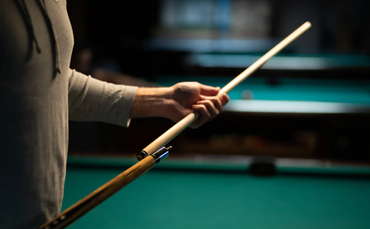
Before focusing on advanced features, it is important to understand the basic structure of a pool cue. Most cues are approximately 57 to 59 inches long and consist of two main parts: the shaft and the butt.
The Shaft
The shaft is the top portion of the cue and plays a major role in shot accuracy. It is typically made from maple or other hardwoods and tapers gradually toward the tip. A smooth, well-finished shaft allows for consistent strokes and reduced friction.
The Butt
The butt is the lower portion of the cue and usually contains decorative elements, grip materials, and weight adjustments. While aesthetics matter to some players, balance and comfort are more important factors when evaluating the butt.

Choosing the Right Cue Weight
Cue weight has a direct impact on shot control and power. Most pool cues range between 18 and 21 ounces.
Lightweight Cues
Lighter cues are often preferred by players who rely on finesse and precise cue ball control. They allow for easier maneuverability and are suitable for players with a softer stroke.
Heavier Cues
Heavier cues provide more power with less effort, which can be helpful for breaking or for players with a stronger stroke. However, they may reduce fine control if not handled properly.
Finding the right balance often requires testing different weights to see which feels most natural during play.
Cue Tip Types and Their Importance
The cue tip is the only part of the cue that makes contact with the cue ball, making it a critical component.
Soft Tips
Soft tips provide better grip on the cue ball, allowing for increased spin and control. They are popular among players who focus on technical shots but require more frequent maintenance.
Medium Tips
Medium tips offer a balance between control and durability. They are suitable for most players and are commonly recommended for intermediate skill levels.
Hard Tips
Hard tips last longer and deliver more power but offer less spin control. They are often chosen by players who prefer a firm, direct hit.
Materials and Construction Quality
Cue materials influence durability, feel, and performance. High-quality cues are usually made from carefully selected hardwoods and feature precise craftsmanship.
Wood Selection
Maple remains the most common choice for shafts due to its strength and smooth grain. Exotic woods may be used in the butt for added stability and visual appeal.
Joint and Finish
The joint connects the shaft and butt. A well-made joint ensures a solid feel and consistent energy transfer. The finish should be smooth but not slippery, allowing for a controlled grip.
Matching a Cue to Your Playing Style
Your playing style should guide your decision when choosing a cue. Players who focus on strategy and precision may prefer a cue with a thinner shaft and softer tip. Those who emphasize power and break shots may benefit from a heavier cue with a firmer tip.
Trying different cues, when possible, is one of the best ways to determine what works best for you. Comfort, balance, and confidence during play are strong indicators that you have found the right match.
Maintenance and Long-Term Use
Proper care extends the life of your pool cue and maintains its performance. Regularly clean the shaft to remove chalk residue and store the cue in a protective case to prevent warping. Periodic tip replacement and joint maintenance also help preserve consistency.
Investing in a cue that is easy to maintain can save time and money in the long run, especially for players who practice frequently.
Final Thoughts
Choosing the right pool cue is a personal decision that depends on skill level, playing style, and comfort. By understanding cue weight, materials, tip types, and construction quality, players can make informed choices that enhance their performance at the table.
Choosing the Best Pool Cue: A Comprehensive Guide emphasizes that there is no universal solution. The best cue is one that feels natural in your hands and supports your approach to the game. Taking the time to evaluate your options ensures a purchase that delivers both satisfaction and consistent results over time.