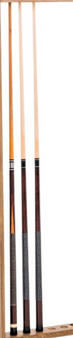
If you’ve ever watched a professional or even an experienced amateur game, you may have noticed players switching cues during a match. This often leads to a common question among beginners and casual fans: Why Do Pool Players Have 2 cues The answer lies in performance, cue construction, and the different demands of various shots in a game of pool.
Using two cues is not about style or preference alone. It is a practical decision that helps players maintain consistency, protect their equipment, and improve overall control at the table. This article explains the reasons clearly and helps you understand whether owning two cues makes sense for your level of play.
The Two Main Types of Pool Cues
Most players who carry two cues typically use them for different purposes. Each cue is designed to handle specific types of shots.
The Playing Cue
The playing cue is the primary cue used for most shots during a game. It is designed for precision, touch, and control. Playing cues usually have:
- A medium or soft tip for better cue ball control
- Balanced weight for smooth strokes
- A shaft designed to reduce deflection
This cue is used for aiming, position play, spin, and finesse shots. Because consistency is essential, players want their playing cue to remain in optimal condition.
The Break Cue
The break cue is used only for the opening break shot. This shot requires maximum force to spread the balls across the table. Break cues are built differently:
- Harder tips to transfer more energy
- Stiffer shafts for power
- Heavier overall construction in some cases
Using a break cue helps deliver a strong, controlled break without risking damage to the playing cue.

Why Do Pool Players Have 2 Cues? Key Reasons Explained
Protecting the Playing Cue
Breaking puts extreme stress on a cue. Repeated high-impact shots can flatten tips, damage shafts, or affect balance over time. By using a separate break cue, players protect their playing cue from unnecessary wear.
This protection helps maintain consistent performance, especially in competitive settings where small differences in cue response can affect results.
Improved Performance on the Break
A break shot requires power, not finesse. A break cue is optimized for this task, allowing players to strike harder while maintaining control. This can lead to:
- Better ball spread
- Increased chances of pocketing a ball on the break
- Reduced risk of miscues
Using the right tool for the job improves results without compromising technique.
Better Cue Ball Control After the Break
A powerful break is only effective if the cue ball remains under control. Break cues are designed to reduce unwanted deflection and help keep the cue ball centered on the table. This sets up a better first shot and increases run-out opportunities.
Consistency and Confidence at the Table
Consistency is one of the most important aspects of pool. When a player uses the same cue for every standard shot, muscle memory develops more reliably. Switching between break and playing cues ensures that:
- The playing cue always feels the same
- Stroke timing remains consistent
- Shot accuracy improves over time
Confidence also plays a role. Knowing that each cue is designed for its specific purpose allows players to focus on strategy rather than equipment limitations.
Do All Pool Players Need Two Cues?
Beginners and Casual Players
For beginners, owning two cues is not necessary. A single, well-made cue can handle both breaking and playing at a basic level. At this stage, learning fundamentals like stance, aim, and stroke is more important than specialized equipment.
Intermediate and Advanced Players
As skill levels improve, players begin to notice how equipment affects performance. This is often when the question Why Do Pool Players Have 2 Cues? becomes more relevant. Competitive players benefit from the added control, consistency, and durability that two cues provide.
League players and tournament competitors commonly use separate cues to maintain reliability over long sessions.
Are There Other Specialized Cues?
In addition to break and playing cues, some players also carry a jump cue. Jump cues are short, lightweight cues designed specifically for jump shots. While not every player uses one, it further demonstrates how cue specialization supports advanced play.
Final Thoughts
So, why do pool players have 2 cues? The answer is simple and practical. Using separate cues for breaking and playing helps protect equipment, improves shot performance, and supports consistency at the table. While beginners can rely on a single cue, serious players often find that two cues offer clear advantages as their skills develop.
Choosing the right cues is part of growing as a player. Understanding their purpose allows you to make informed decisions and focus on what truly matters—playing the game with accuracy, control, and confidence.