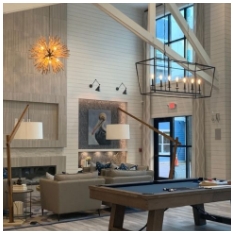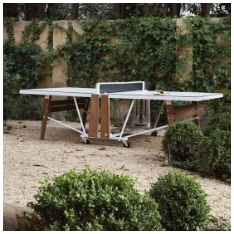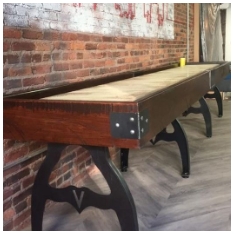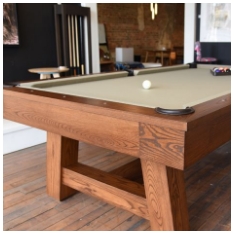
A pool table can serve as both a functional entertainment feature and a major design element within a room. In modern interiors, where clean lines, controlled color palettes, and practical layouts are often important, choosing the right pool table style can make a noticeable difference to the overall appearance of the space.
Homeowners planning a games room, living area, basement, or open-plan entertainment space often ask, 'Which pool table style works best with modern interiors?' The answer depends on several factors, including the room’s architecture, furniture, available space, materials, and color scheme.
Rather than selecting a table based only on appearance, it is helpful to consider how its shape, finish, frame, and proportions will relate to the rest of the interior.
Consider a Minimalist Pool Table for Clean Interiors
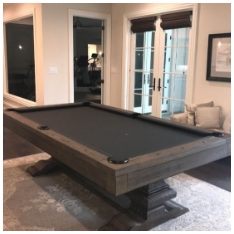
Minimalist pool tables are well suited to modern spaces because they usually feature simple frames, straight lines, and limited decorative detailing.
Traditional pool tables may include carved legs, heavy woodwork, and ornamental edges. In contrast, modern minimalist designs often use slim supports, smooth rails, and uncluttered finishes.
This style works particularly well in rooms with contemporary furniture, neutral walls, and open layouts.
Look for Simple Structural Details
A modern pool table does not need to be plain, but its details should feel intentional.
Tables with hidden pockets, flush rails, narrow frames, and uncomplicated bases can complement a room without making the space feel visually heavy.
A simple design can also make it easier to coordinate the table with sofas, lighting, storage units, and other furniture.
Choose a Contemporary Wood Pool Table for Warmth
Modern interiors do not always need to rely on metal, glass, or dark finishes. Wood pool tables can work very well in contemporary spaces when the design is clean and the finish is understated.
Oak, walnut, ash, or similar wood tones can introduce warmth while maintaining a modern appearance.
The key is to avoid excessive carving or traditional decorative elements. A table with a simple timber frame and straight legs can combine natural material with modern proportions.
Match the Wood Tone With Existing Furniture
If the room already contains wooden furniture, consider selecting a pool table in a related finish.
The colors do not need to match exactly, but they should sit comfortably together. For example, a walnut pool table can work well with warm brown shelving, while a pale oak table may suit lighter Scandinavian-style furniture.
Repeating similar wood tones helps create continuity throughout the room.

Explore Metal-Framed Pool Tables for Industrial Interiors
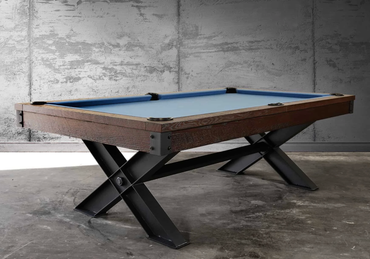
Industrial interiors often combine exposed materials such as brick, steel, concrete, and timber. A metal-framed pool table can fit naturally into this type of environment.
Black steel legs, angular bases, and dark finishes can create a strong architectural appearance without relying on decorative details.
This style may be especially suitable for lofts, converted basements, entertainment rooms, and open-plan spaces.
Pairing a metal frame with a wooden top or rail can also soften the appearance and prevent the table from looking overly stark.
Select Neutral Colors for Greater Flexibility
Color plays an important role in determining whether a pool table feels connected to the rest of the room.
Black, charcoal, grey, white, and natural wood are commonly suitable for modern interiors because they are easy to coordinate with different furniture styles.
The cloth color also matters. Traditional green remains an option, but modern rooms may suit navy, grey, black, burgundy, or other muted tones depending on the overall palette.
A neutral frame with a carefully selected cloth color can create contrast without disrupting the room.
Consider a Dining Pool Table for Multi-Purpose Rooms
In smaller homes or open-plan spaces, a convertible dining pool table can provide both recreational and practical value.
These tables are designed with a removable or convertible top that allows the surface to function as a dining or meeting table when it is not being used for pool.
This can be particularly useful in apartments or rooms where dedicating a large area solely to a pool table is not practical.
Check Legroom and Table Proportions
When choosing a dining pool table, appearance should not be the only consideration.
Check whether the frame provides enough legroom when seated and whether the dining height is comfortable. The top should also sit securely and be easy to remove or store.
A well-proportioned convertible table can maintain the clean appearance expected in a modern interior while serving more than one purpose.
Use Sculptural Designs as a Focal Point
Some modern pool tables feature unusual bases, geometric supports, curved forms, or architectural frames.
These designs can work well when the pool table is intended to act as a focal point within the room.
However, a sculptural table usually works best when the surrounding furniture is relatively simple. If multiple furnishings have strong shapes or decorative details, the room may begin to feel visually crowded.
Allowing the pool table to take the main visual role can create a more balanced interior.
Pay Attention to Room Size and Table Scale
Even the most suitable pool table style can look out of place if its proportions do not suit the room.
Before choosing a design, measure both the table area and the clearance needed for comfortable cue movement.
Large, heavy-looking tables may dominate compact rooms, while very slim tables can appear undersized in spacious entertainment areas.
Choosing a table that is appropriately scaled helps maintain visual balance and makes the room easier to use.
Coordinate the Pool Table With Lighting
Lighting can also influence how a modern pool table fits within the space.
Pendant lights, linear fixtures, and simple suspended lighting can reinforce a contemporary appearance while providing adequate illumination over the playing surface.
The fixture should generally relate to the shape and width of the table without extending too far beyond it.
Avoid overly decorative lighting if the room follows a simple modern design unless the light itself is intended to be the main decorative feature.
Balance Style With Practical Construction
While appearance is important, a pool table should also provide stable construction, an even playing surface, and suitable materials.
Frame strength, slate quality, cushion performance, cloth type, and installation requirements should all be considered alongside design.
A table that looks appropriate for the room but does not perform properly may become less practical over time.
Conclusion
So, Which Pool Table Style Works Best With Modern Interiors? In most cases, minimalist, contemporary wood, industrial metal, and carefully designed convertible pool tables are strong options. The right choice depends on the room’s existing materials, furniture, color palette, available space, and intended use.
Simple lines, balanced proportions, restrained finishes, and coordinated materials generally work well in modern settings. By considering both interior design and playing performance, homeowners can choose a pool table that functions comfortably while fitting naturally into the surrounding space.