Choosing the right poker table plays a significant role in how enjoyable and efficient your poker games are. Whether you are just learning the rules or have years of experience at the table, selecting the correct setup can improve comfort, focus, and overall performance. Many players ask the same question before buying: Which Poker Table Is Best for Beginners and Pros?
This guide explains the differences between poker tables, highlights what beginners should prioritize, and explores what experienced players look for in a professional-grade table. By understanding these factors, you can make an informed choice that suits your current level and supports future growth.
Understanding Poker Table Basics
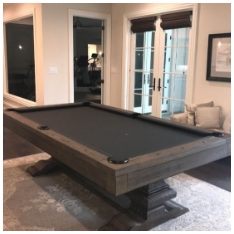
Before comparing options, it is important to understand the basic components of a poker table. A standard poker table includes a playing surface, padded rails, cup holders, and a sturdy base. Tables vary in size, shape, and material depending on their intended use.
Common Poker Table Shapes
- Round tables are compact and suitable for casual games.
- Oval tables are popular for home games and tournaments.
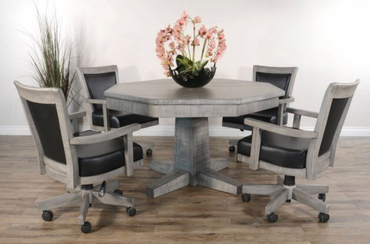
- Octagonal tables offer balanced seating and efficient space use.
Each shape affects seating capacity and player interaction, which is why beginners and professionals often prefer different styles.

What Beginners Should Look for in a Poker Table
For new players, simplicity and comfort matter more than advanced features. A beginner-friendly table should make learning easy without overwhelming the player.
Affordable and Practical Design
Beginners should focus on tables that offer good value rather than premium finishes. Foldable poker tables or tabletop overlays are often ideal starting points. They are affordable, easy to store, and require minimal setup.
Comfortable Playing Surface
A smooth felt or speed cloth surface helps beginners handle cards and chips comfortably. Poor-quality surfaces can make gameplay frustrating and distract from learning the game.
Compact Size
New players often play in smaller rooms or shared spaces. A table that seats 6 to 8 players is usually sufficient and easier to manage. Compact tables also allow beginners to host games without rearranging their entire space.
What Professionals Expect from a Poker Table
Experienced players have higher expectations because table quality can directly affect gameplay. Professionals typically prioritize durability, accuracy, and comfort during long sessions.
High-Quality Materials
Professional tables use premium felt or speed cloth that allows smooth card movement and consistent chip handling. Solid wood or steel frames provide stability and prevent unwanted movement during play.
Ergonomic Rail Padding
Long poker sessions require proper arm and wrist support. Thick, well-padded rails reduce fatigue and help players stay focused throughout the game.
Full-Size Layout
Professional players usually prefer full-size tables that seat 8 to 10 players comfortably. These tables offer proper spacing, accurate betting positions, and a more authentic casino-style experience.
Which Poker Table Is Best for Beginners and Pros?
The answer depends on finding a balance between flexibility and quality. Many players want a table that works for casual learning while still meeting the standards of experienced gameplay.
Mid-Range Poker Tables Are the Best Option
A mid-range poker table is often the best solution for both beginners and pros. These tables combine solid construction with reasonable pricing. They usually feature padded rails, durable playing surfaces, and seating for 8 to 9 players.
Such tables allow beginners to learn comfortably while giving experienced players the features they expect. As skills improve, the table remains suitable without needing an upgrade.

Key Factors to Consider Before Buying
Available Space
Measure your room carefully before purchasing a table. Make sure there is enough space for chairs and player movement. Crowded layouts can affect comfort and gameplay quality.
Frequency of Use
If you plan to play occasionally, a foldable or portable table may be enough. For regular games, investing in a sturdy, non-folding table provides better long-term value.
Skill Growth
Choosing a table that supports skill progression is important. Beginners who plan to improve should avoid overly basic options that may need replacement later.
Maintenance and Longevity
Proper care ensures your poker table lasts longer. Regular cleaning, avoiding spills, and storing foldable tables correctly can preserve the playing surface and structure. High-quality tables require less maintenance and maintain their appearance over time.
Final Thoughts
So, Which Poker Table Is Best for Beginners and Pros The ideal choice is a well-built, mid-range poker table that balances comfort, durability, and size. Beginners benefit from simplicity and affordability, while professionals require quality materials and ergonomic design.
By selecting a table that meets both needs, you create a setup that supports learning, competitive play, and enjoyable poker sessions for years to come.