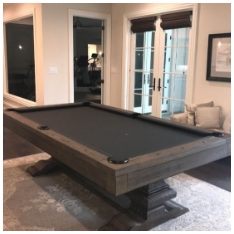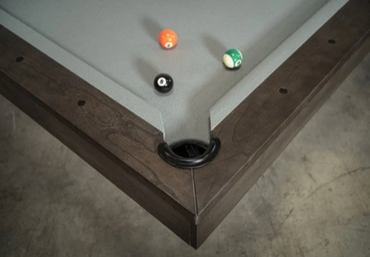
Pool table felt plays an important role in how smoothly and accurately a game is played. Over time, the cloth can wear down, develop stains, become uneven, or lose the consistent surface needed for proper ball movement. When Should You Replace Pool Felt can help prevent poor playability and reduce the risk of further wear on the table.
The right replacement schedule depends on how often the table is used, the quality of the cloth, the environment, and how well the surface is maintained. A lightly used home table may keep the same felt for years, while a busy commercial table may need replacement much sooner.
What Is Pool Felt?
Pool felt is the cloth covering the playing surface and rails of a pool table. Although commonly called felt, many modern pool cloths are made from a blend of wool and nylon or other performance-oriented materials.
The cloth creates a smooth surface that allows pool balls to roll consistently. Its condition can influence speed, direction, spin, and overall gameplay.
When the cloth begins to wear unevenly, the table may no longer provide a reliable playing experience.
How Long Does Pool Felt Usually Last?
There is no fixed replacement schedule for every pool table. The lifespan of the felt depends largely on usage.
A home pool table that is played occasionally may retain usable cloth for approximately three to five years or even longer. In comparison, tables in bars, clubs, game rooms, or pool halls may require new cloth every one to two years because of frequent use.
Professional and tournament tables may be recovered more often to maintain consistent playing conditions.
Several factors can shorten the lifespan of pool felt, including:
- Frequent daily play
- Poor cleaning habits
- Improper cue use
- Food and drink spills
- Exposure to sunlight
- Excessive humidity
- Low-quality cloth
Regular inspection is often more useful than relying only on the age of the felt.
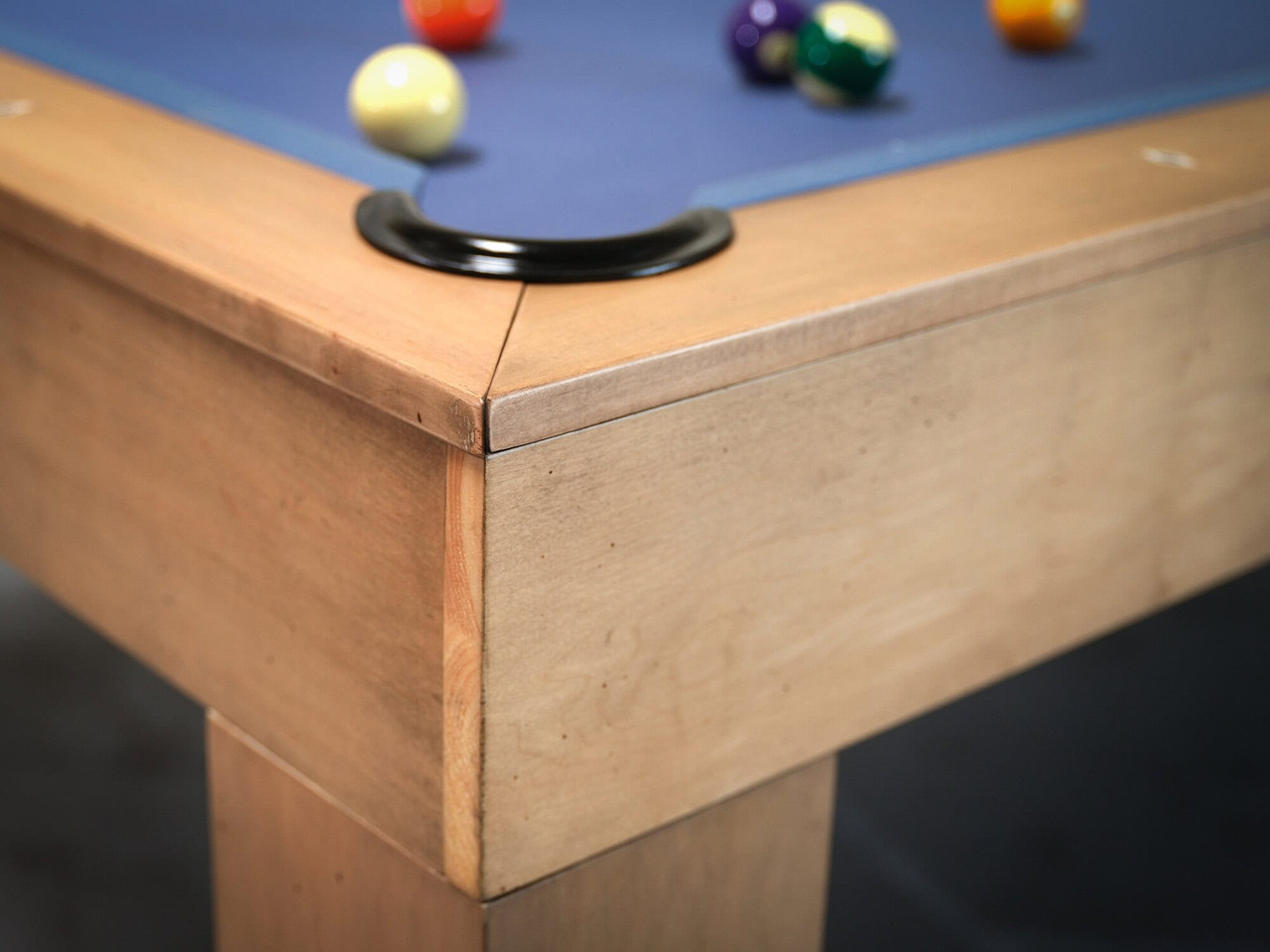
Signs That Pool Felt Needs to Be Replaced
Visible and performance-related changes can indicate that the cloth has reached the end of its useful life.
The Felt Has Visible Tears or Holes
Tears, holes, and deep cuts are some of the clearest signs that replacement may be necessary.
Minor damage can sometimes be repaired temporarily, but patches can affect ball movement and may remain noticeable. If the cloth has multiple damaged areas, replacing the entire playing surface usually produces a more consistent result.
The Surface Is Becoming Thin
Pool cloth gradually becomes thinner due to friction from balls, hands, cues, and cleaning.
High-use areas may appear smoother, lighter, or more worn than surrounding sections. If the underlying table bed begins to become visible or the surface feels noticeably thin, the cloth should be considered for replacement.
Ball Movement Has Become Inconsistent
Poor ball movement is another important warning sign.
Balls may slow unexpectedly, drift away from their intended path, or react differently across different areas of the table. While table leveling can also affect ball movement, worn or stretched cloth is a common cause of inconsistent play.
If the table is properly leveled but performance remains uneven, the felt may need attention.
Look for Permanent Stains and Discoloration
Stains do not always mean pool felt must be replaced. Some surface marks can be removed with proper cleaning.
However, permanent discoloration can become a reason to recover the table, particularly if appearance is important.
Drink spills, chalk, dirt, oils from hands, and direct sunlight can all affect the cloth over time. If stains cannot be removed without damaging the fabric, replacement may be the more practical option.
Fading should also be monitored. Sunlight can cause certain areas of the table to lose color faster than others, creating an uneven appearance.
Check for Loose or Wrinkled Felt
Pool cloth should sit tightly across the table surface.
When the felt becomes loose, it may develop wrinkles, folds, or small raised sections. These areas can interfere with ball movement and make shots less predictable.
In some cases, the cloth can be stretched and resecured if it is still in good condition. However, older fabric may have permanently stretched and may not respond well to adjustment.
If loose cloth continues to return after being tightened, replacement may be necessary.
Consider How Often the Pool Table Is Used
Usage is one of the most important factors when deciding When Should You Replace Pool Felt?
A table used several hours each day experiences much more friction than one used only on weekends.
Commercial pool tables should therefore be inspected frequently for thinning, stains, tears, and changes in ball speed.
Homeowners can often extend the replacement interval by limiting unnecessary wear and maintaining the table properly.
The number of games played can matter more than the number of years the felt has been installed.
Does Pool Chalk Damage the Felt?
Pool chalk is necessary for cue tip grip, but excessive chalk dust can accumulate in the cloth.
Over time, fine chalk particles can become embedded in the fibers. This can make the playing surface appear dirty and may contribute to wear if the table is not cleaned properly.
Regular brushing or vacuuming with equipment designed for pool tables can help remove loose chalk.
Avoid aggressive scrubbing because it may damage the cloth fibers or stretch the material.
Can Proper Maintenance Extend Pool Felt Life?
Good maintenance can help pool cloth remain playable for longer.
Brush the surface regularly using a pool table brush and move in a consistent direction. Remove spills quickly and follow the cloth manufacturer's cleaning recommendations.
Keep food, drinks, and cigarettes away from the playing surface whenever possible.
A table cover is also useful when the table is not being used. It can protect the cloth from dust, sunlight, pet hair, and accidental spills.
Players should also avoid striking the cloth directly with the cue tip because repeated cue impact can create small cuts and eventually lead to larger tears.
Should You Replace Rail Felt at the Same Time?
When recovering a pool table, it is generally worth inspecting the rail cloth as well.
The rail fabric can fade, become dirty, or wear differently from the playing surface. Installing new table cloth while leaving heavily worn rail fabric in place may create an inconsistent appearance.
Replacing both at the same time can provide a more uniform playing surface and visual finish.
The decision will depend on the condition of the existing rail cloth and whether it matches the replacement material.
Conclusion
Understanding When Should You Replace Pool Felt? requires looking at both the age and condition of the cloth. Tears, thinning areas, permanent stains, wrinkles, uneven ball movement, and significant fading are common signs that replacement should be considered.
A home table may go several years before needing new cloth, while frequently used commercial tables may require more regular replacement. Proper cleaning, careful play, and covering the table when it is not in use can help extend the life of the felt.
Rather than replacing the cloth according to a strict calendar, inspect the playing surface regularly. When wear begins to affect ball movement, appearance, or consistency, recovering the table can restore a smoother and more dependable playing experience.