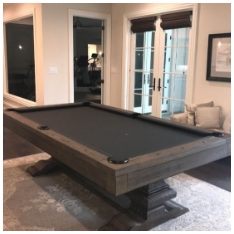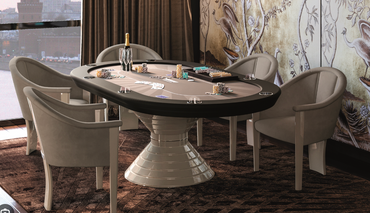
Choosing the right poker table size is an important step when setting up a comfortable and functional gaming area. Whether you are planning casual home games or hosting regular poker nights, the table size directly affects player comfort, movement, and overall experience.
Understanding What Size Poker Table Works Best for Your Space requires evaluating room dimensions, seating capacity, and layout preferences. This guide outlines everything you need to consider before making a decision.
Standard Poker Table Sizes Explained
Poker tables come in various shapes and dimensions, each suited for different room sizes and player counts.
Full-Size Poker Tables
A standard full-size poker table typically measures:
- Length: 84 to 96 inches
- Width: 42 to 48 inches
- Seating Capacity: 8 to 10 players
These tables are ideal for dedicated game rooms or larger living spaces. They offer ample elbow room and a professional playing experience.
Medium Poker Tables
Medium-sized tables usually measure:
- Length: 72 to 84 inches
- Width: 36 to 44 inches
- Seating Capacity: 6 to 8 players
They are suitable for most homes and provide a balance between comfort and space efficiency.
Compact Poker Tables
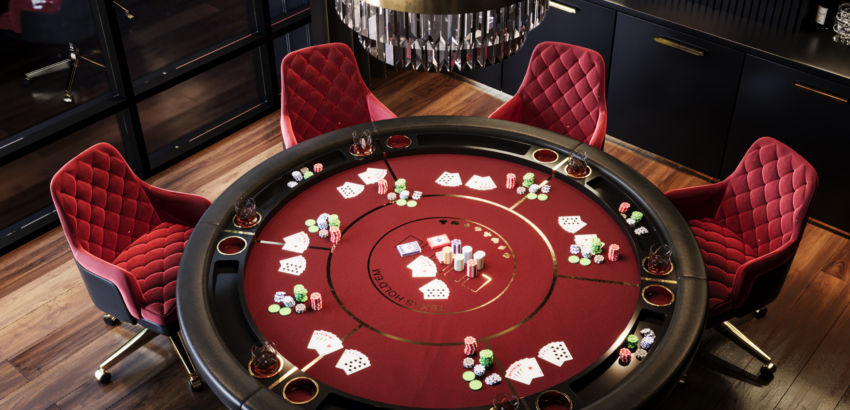
Compact tables are smaller and more flexible:
- Length: 60 to 72 inches
- Width: 32 to 36 inches
- Seating Capacity: 4 to 6 players
These are ideal for apartments or multi-purpose rooms where space is limited.
Factors to Consider Before Choosing a Poker Table Size
Selecting the right table involves more than just picking a standard dimension.
Room Size and Layout
Measure your available space carefully. A common guideline is to leave at least 3 feet of clearance around the table for chairs and movement.
For example:
- A full-size table may require a room of at least 14 x 18 feet
- A medium table fits well in a 12 x 16 feet room
Number of Players
The number of regular players should guide your choice. A crowded table can make gameplay uncomfortable, while a large table with fewer players may feel empty.
Table Shape
Poker tables are generally oval, round, or rectangular:
- Oval tables are the most common and offer balanced seating
- Round tables work well for smaller groups
- Rectangular tables can double as dining or multipurpose tables
Space Planning Tips for Poker Tables
Proper planning ensures your poker setup remains functional and visually organized.
Allow for Chair Movement
Each player needs enough space to pull back their chair comfortably. Tight spacing can disrupt gameplay and reduce comfort.
Consider Walkways
Ensure there is enough room for players to move around the table without disturbing others. This is especially important during longer games.
Lighting and Accessories
Account for overhead lighting, chip trays, and drink holders. These elements add convenience but require additional space.
Foldable vs Permanent Poker Tables
Your choice between foldable and permanent tables also impacts space usage.
Foldable Poker Tables
- Easy to store
- Suitable for occasional games
- Ideal for limited spaces
Permanent Poker Tables
- More durable and stable
- Better suited for dedicated game rooms
- Often larger in size
If flexibility is a priority, foldable tables are a practical option. However, permanent tables offer a more consistent playing setup.
Common Mistakes to Avoid
Avoiding these mistakes can help you select the right table size efficiently.
Ignoring Room Measurements
Purchasing a table without measuring your space can lead to overcrowding and poor layout.
Overestimating Seating Needs
Choosing a larger table than required may waste space and reduce room functionality.
Forgetting Storage Requirements
If you opt for a foldable table, ensure there is adequate storage space available.
How to Match Table Size with Room Type
Different rooms require different table sizes.
Living Rooms
Medium or compact tables work well, especially if the space serves multiple purposes.
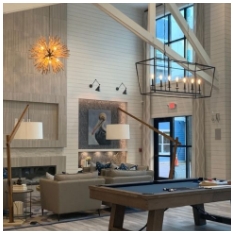
Dedicated Game Rooms
Full-size tables are ideal, as they provide a professional setup and accommodate more players.
Apartments or Small Spaces
Compact or foldable tables are the best option to maintain flexibility and avoid clutter.
Final Thoughts
Selecting the right poker table is about balancing comfort, functionality, and available space. By evaluating room dimensions, player count, and layout preferences, you can determine what size poker table works best for your space. without compromising usability.
A well-sized table improves gameplay, ensures proper seating, and enhances the overall experience. Whether you choose a compact, medium, or full-size option, careful planning will help you create a setup that fits your space effectively.