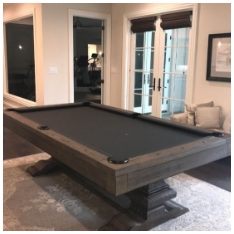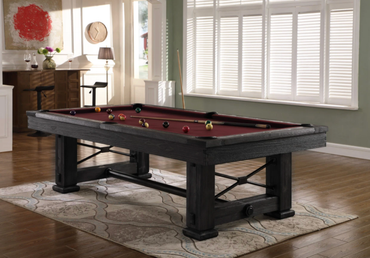
Buying a pool table is a significant decision because it affects how comfortably you can play, how much space the table occupies, and how well it performs over time. A table that looks suitable in a showroom may not necessarily work well in your home, games room, office, or recreational space.
If you are wondering What Should You Consider Before Buying a Pool Table, the decision should go beyond appearance and price. Table dimensions, playing surface, construction, room clearance, cloth quality, installation requirements, and intended use all influence whether a particular model is appropriate.
Taking time to assess these factors before purchasing can help you select a pool table that fits your space and provides a consistent playing experience.
Measure the Available Room Space
Room size should be one of the first considerations when choosing a pool table. The table itself takes up substantial space, but players also need enough clearance around every side to use a cue comfortably.
A pool table that technically fits inside a room may still be difficult to play on if the surrounding space is limited.
Allow Enough Space for Cue Movement
Standard pool cues are commonly around 57 to 58 inches long. You therefore need sufficient space between the edge of the table and nearby walls, furniture, columns, or other obstacles.
Measure the complete room rather than focusing only on where the table will sit. Consider doors, windows, storage units, seating areas, and permanent fixtures when calculating the available playing space.
Choose the Right Pool Table Size
Pool tables are available in several sizes, and the right choice depends on both the room dimensions and how you plan to use the table.
Seven-foot tables are often suitable for smaller recreational spaces, while eight-foot tables are a common choice for home use. Nine-foot tables provide a larger playing surface and are frequently associated with competitive or tournament-style play.
Larger tables usually require more room and may offer a more challenging playing experience. Before choosing a size, compare the table dimensions with the full space needed for players and cues.

Consider How You Plan to Use the Table
Your intended use should influence the type of pool table you purchase.
A table used occasionally for family entertainment may have different requirements from one used for frequent practice or serious competitive play.
Consider how often the table will be used, who will use it, and whether playing consistency is an important priority.
For frequent players, construction quality and surface accuracy may deserve greater attention. For occasional recreational use, room fit, ease of maintenance, and overall practicality may carry more weight.
Check the Playing Surface Material
One of the most important construction details is the playing surface.
Higher-quality pool tables commonly use slate beneath the cloth. Slate provides a flat, stable surface that supports predictable ball movement when properly installed and levelled.
Alternative materials such as engineered wood or composite boards may be found in lighter or more affordable tables. These can be suitable for casual use, although performance and long-term stability may vary.
Understand Slate Thickness and Construction
Slate tables may use a single piece or several sections of slate. Three-piece slate is common because the individual sections are easier to transport and can be professionally aligned during installation.
Regardless of the format, the quality of installation and levelling is important. Even a strong playing surface will not perform correctly if the table is uneven.
Examine the Frame and Cabinet Construction
The frame supports the weight of the playing surface and helps keep the table stable.
Look for solid construction, properly fitted joints, and sufficient support beneath the slate or playing board. A weak frame may gradually shift or sag, which can affect the level of the table.
The legs should also be stable and proportionate to the overall weight. Some pool tables include adjustable levelling systems that can make installation easier on slightly uneven floors.
Evaluate the Cushion and Rail Quality
Pool table cushions affect how balls respond when they strike the rails. Consistent rebound is important for both casual and skilled players.
Check whether the cushions respond evenly along the entire rail. Poor-quality or worn cushions can cause balls to rebound at inconsistent speeds or angles.
The rails themselves should also feel solid and secure. Loose or poorly constructed rails can interfere with both gameplay and durability.
Select Appropriate Pool Table Cloth
The cloth covering the playing surface has a direct impact on ball speed and control.
Different cloth materials and weaves provide different playing characteristics. Some fabrics allow faster ball movement, while others create a slightly slower pace that may be suitable for casual home use.
Colour is also worth considering. Traditional green remains common, but blue, burgundy, grey, and other shades are widely available.
Choose a colour that works with the room while maintaining good visibility of the balls.
Consider the Pool Table's Weight and Location
Slate pool tables can be extremely heavy. Before purchasing one, make sure the intended location can accommodate its weight.
This is especially important if the table will be placed on an upper floor.
Also consider how the table will reach the room. Narrow staircases, small lifts, tight corridors, and doorways can complicate delivery.
Professional suppliers will often assess access requirements before installation.
Account for Professional Installation
Pool table installation involves more than assembling the frame.
Slate sections must be positioned correctly, seams may need to be prepared, the table must be levelled, and the cloth should be fitted evenly.
Professional installation is particularly important for slate tables because small alignment errors can influence gameplay.
Ask whether installation is included in the purchase price or charged separately before making a decision.
Check Which Accessories Are Included
A pool table purchase may include cues, balls, a triangle rack, chalk, brushes, and other accessories. However, packages vary considerably between suppliers.
Check exactly what is included so that you can estimate the total cost accurately.
You may also want to budget for additional accessories such as a table cover, wall-mounted cue rack, replacement cue tips, lighting, or seating.
Think About Maintenance Requirements
Pool tables require regular care to maintain their playing surface and appearance.
The cloth should be brushed carefully to remove chalk and dust, while balls should be cleaned periodically. A table cover can help protect the cloth from sunlight, debris, and accidental spills when the table is not being used.
Over time, the cloth, cushions, or other components may also need replacement.
Understanding these maintenance requirements before purchasing can help you manage the table properly after installation.
Balance Price With Construction Quality
Price is an important factor, but it should be considered alongside materials, construction, warranty coverage, delivery, and installation.
A lower-priced table may suit occasional recreational use, while a more substantial investment may be appropriate for someone who expects frequent or long-term use.
Rather than comparing pool tables based only on their initial purchase price, examine what is included and how the table is constructed.
Conclusion
Understanding What Should You Consider Before Buying a Pool Table? can help you avoid problems related to space, playing quality, installation, and long-term maintenance. Start by measuring the room carefully, selecting an appropriate table size, and deciding how frequently the table will be used.
You should also examine the playing surface, frame, cushions, cloth, accessories, and installation requirements before making a final choice. Considering these factors together can help you select a pool table that fits the available space, supports comfortable gameplay, and remains practical for years of use.