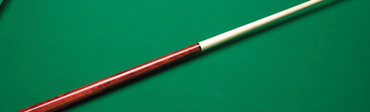
A pool cue may look like a simple piece of sporting equipment, but its design can have a noticeable effect on control, consistency, comfort and shot accuracy. From the type of wood used in the shaft to the shape of the tip and the position of the balance point, every component contributes to how the cue performs.
Players often choose cues based on appearance or price alone. However, decorative inlays and polished finishes do not always indicate superior performance. A dependable cue should feel stable in the hand, transfer energy efficiently and provide predictable feedback during different types of shots.
Understanding What Makes a High-Quality Pool Cue Materials, Construction & Feel can help beginners, recreational players and experienced competitors compare options more carefully. The right cue is not necessarily the most expensive model. It matches the player's technique, grip, preferred weight and playing style.
Why Pool Cue Quality Matters
A well-constructed pool cue provides consistency from one shot to the next. When the cue is straight, properly balanced and fitted with a suitable tip, the player can focus on aim, speed and positioning rather than adjusting for equipment problems.
Lower-quality cues may develop warping, loose joints, uneven finishes or damaged tips. These issues can affect cue-ball contact and make it difficult to repeat the same stroke. Even a small bend in the shaft can change the direction of the tip during delivery.
A quality cue can also improve comfort during long practice sessions. Smooth surfaces, suitable dimensions and balanced weight reduce unnecessary strain on the bridge hand, wrist and forearm.
Pool Cue Materials and Their Role
The materials used in a pool cue influence its durability, flexibility, sound and feedback. Traditional cues are mainly made from wood, although modern designs may also include carbon fibre, fibreglass and composite components.
Maple Shafts
Hard rock maple is one of the most widely used materials for pool cue shafts. It has a close grain, stable structure and relatively firm feel. Maple shafts provide clear feedback when the tip contacts the cue ball.
Many players prefer maple because it offers a familiar balance between flexibility and stiffness. However, natural wood can react to changes in temperature and humidity. Proper storage is important to reduce the risk of warping.
When examining a maple shaft, players should look for straight grain lines, consistent colour and a smooth surface. Excessive grain irregularities may indicate that the wood is less stable.
Ash Shafts
Ash is commonly associated with snooker and English pool cues. It usually has visible grain patterns that form arrow-like lines along the shaft.
Ash tends to provide a slightly different feel from maple. Some players describe it as more flexible and responsive. The visible grain can also help certain players align the cue during a shot.
Because ash has a more open grain, the finish and maintenance requirements may differ from those of maple. A well-prepared ash shaft should still feel smooth when moving through the bridge hand.
Carbon Fibre Shafts
Carbon fibre shafts have become more common among competitive and advanced players. They are designed to resist warping and remain stable under different environmental conditions.
These shafts often produce lower cue-ball deflection, which means the cue ball may move less sideways when struck with left or right spin. This can make aiming adjustments more predictable once the player becomes familiar with the shaft.
Carbon fibre shafts may feel firmer and sound different from wooden shafts. Some players appreciate their consistency, while others prefer the natural feedback of wood. The better choice depends on personal preference rather than material alone.
Butt Materials
The butt is the thicker section held by the player's grip hand. It may be made from maple, ebony, rosewood or other hardwoods. Some cues also include synthetic materials, metal rings or decorative inlays.
Dense woods can add weight and stability. However, the internal construction matters as much as the visible wood. A cue with an attractive outer layer may still perform poorly if the internal components are not aligned correctly.

How Pool Cue Construction Affects Performance
Pool cue construction involves more than joining a shaft and a butt. The quality of the taper, ferrule, tip, joint and internal weight system all influence how the cue feels.
One-Piece and Two-Piece Cues
One-piece cues are commonly found in pool halls and are often selected for durability and general use. Because they do not have a joint, they can provide a continuous feel throughout the cue.
Two-piece cues are easier to transport and store. They also allow players to replace or upgrade the shaft without purchasing a completely new cue.
A good two-piece cue should connect firmly without movement or gaps. The shaft and butt should align perfectly when assembled. A loose or poorly fitted joint can create vibration and reduce energy transfer.
Joint Design
Pool cue joints may be made from metal, wood, phenolic material or composite components. Stainless-steel joints often create a firm, solid hit. Wood-to-wood joints may provide a softer or more natural feel.
The thread design can also influence how securely the pieces connect. Regardless of the joint type, the cue should tighten smoothly and remain stable during play.
Players should inspect the joint collars for cracks, uneven edges or visible gaps. These may indicate poor manufacturing or damage.
Shaft Taper
The taper describes how the shaft changes in diameter from the tip towards the joint. A pro taper maintains a similar diameter for a longer section before gradually becoming thicker. This design is common in American pool cues and allows the shaft to move smoothly through a closed bridge.
A conical taper becomes progressively thicker from the tip towards the butt. It is frequently used in snooker and some English pool cues.
Neither taper is universally better. The preferred option depends on hand position, bridge style and stroke length.
The Importance of the Cue Tip
The tip is the only part of the cue that directly contacts the cue ball, making it one of the most important components.
Cue tips are generally available in soft, medium and hard grades. Soft tips compress more during contact and may help players apply spin. However, they can wear more quickly and require regular shaping.
Medium tips provide a balance between control, durability and feedback. They are often suitable for players who want consistent all-round performance.
Hard tips transfer energy efficiently and tend to retain their shape. They may produce a sharper hit but can offer less margin for error when applying extreme spin.
A quality tip should be properly centred, firmly attached and shaped into a consistent curve. Mushrooming, glazing and uneven edges can affect cue-ball contact.
Ferrule Quality and Function
The ferrule is the small section located between the shaft and the tip. Its purpose is to support the tip, manage impact and protect the end of the shaft.
Ferrules are made from materials such as linen-based phenolic, synthetic composites and specialised plastics. A damaged ferrule can create unwanted vibration or cause the tip to sit unevenly.
Players should check for cracks, discolouration and separation between the ferrule and shaft. Even a minor crack may worsen with repeated use.
Weight, Balance and Cue Dimensions
Most pool cues weigh between approximately 18 and 21 ounces, although lighter and heavier options are available. The ideal weight depends on the player's stroke and comfort.
A heavier cue may feel stable and provide more momentum, while a lighter cue may be easier to accelerate and control. Beginners sometimes assume that heavier cues automatically produce stronger shots, but technique remains the main factor.
Balance point is equally important. A cue that is too front-heavy may place additional pressure on the bridge hand. A cue that is too rear-heavy may feel difficult to guide smoothly.
Players should hold the cue in their usual grip position and perform several practice strokes. The cue should feel controlled without requiring unnecessary effort.
Evaluating the Playing Feel
Playing feel is subjective, but several qualities can be assessed before purchasing a cue.
The cue should move smoothly through the bridge hand without rough areas or sticky finishes. When striking the cue ball, it should provide clear feedback without excessive vibration.
A good cue should also feel stable during slow control shots, power shots and shots involving spin. Testing only one type of shot may not provide a complete understanding of its performance.
Sound can also influence perception. Some cues produce a firm click, while others create a softer tone. Sound alone does not determine quality, but unusual rattling or buzzing may indicate a loose component.
How to Check a Pool Cue Before Buying
Place the cue on a flat surface and roll it slowly to check for visible warping. Watch both the tip and the joint area. A slight movement may occur because of the shaft taper, but noticeable lifting can indicate a bend.
Inspect the shaft for dents, scratches and uneven finish. Check that the tip is centred and properly shaped. Assemble two-piece cues and confirm that the joint closes without gaps.
It is also useful to test the cue on a pool table. Play straight shots, spin shots, draw shots and soft position shots. This helps determine whether the cue suits your normal playing approach.
Maintenance of a High-Quality Pool Cue
Even a well-made cue requires proper care. Store it in a protective case and avoid leaving it inside a hot vehicle or damp room. Sudden changes in temperature can affect wooden components.
Clean the shaft using products designed specifically for pool cues. Avoid harsh household cleaners, as they may damage the finish or dry out the wood.
The tip should be shaped and lightly scuffed when necessary so that it holds chalk properly. Replace it when it becomes too thin, damaged or difficult to maintain.
Joint protectors can help prevent dirt and impact damage during transport. Players should also avoid leaning the cue against walls, where it can fall or bend over time.
Conclusion
A high-quality pool cue combines suitable materials, accurate construction and a comfortable playing feel. Shaft material, tip hardness, ferrule condition, joint design, weight and balance all contribute to performance.
Visual design may influence personal preference, but structural quality should remain the main consideration. A properly built cue should be straight, stable, smooth and consistent across different shots.
By evaluating each component carefully and testing the cue before purchase, players can select equipment that supports reliable technique and long-term use. The right pool cue should feel like a natural extension of the stroke rather than an object the player must constantly adjust to.