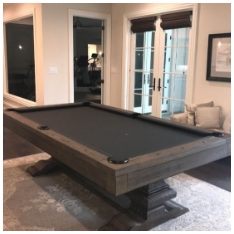
A poker table is a specially designed table used for playing poker and other card games. Unlike a regular dining or coffee table, it is built to make card games more comfortable, organised, and practical for players. Its surface, shape, seating arrangement, and additional features are designed specifically around the requirements of poker.
If you are wondering What Is a Poker Table and What Is It Used For?, the simple answer is that it provides a dedicated playing area where players can comfortably manage cards, chips, bets, and other game accessories. Poker tables are commonly found in casinos, card rooms, tournaments, clubs, and homes where people regularly play poker.
What Is a Poker Table?
A poker table is a gaming table designed to accommodate multiple players seated around a central playing surface. Most poker tables have a soft or felt-covered surface that allows cards to slide easily while helping players pick them up without difficulty.
Poker tables are available in several shapes, including oval, round, octagonal, and rectangular designs. The shape generally depends on the number of players, available space, and the type of poker game being played.
Professional poker tables may include features such as dealer positions, chip trays, cup holders, padded armrests, and marked betting areas. Simpler home poker tables may only include a felt surface and enough room for players to place their cards and chips.
What Is a Poker Table Used For?
The main purpose of a poker table is to create a suitable environment for playing poker. It gives each player enough personal space while keeping the cards, chips, and community playing area within easy reach.
Poker tables are used for many different settings, ranging from informal family games to professional tournaments.
Playing Home Poker Games
Many poker enthusiasts use poker tables at home for casual games with friends or family. A dedicated table can make home games easier to organise because players have enough space for cards, chips, drinks, and personal items.
Home poker tables are available as permanent furniture as well as foldable models. Folding poker tables are useful for people who do not have enough space to keep a full-sized gaming table permanently.
Hosting Poker Tournaments
Poker tables are also widely used for organised tournaments. Tournament tables are usually designed to seat several players comfortably while providing clear positions for the dealer and participants.
During larger tournaments, multiple poker tables may be used at the same time. As players are eliminated, remaining participants are moved between tables until the final group reaches the last table.
Professional tournament tables often follow standard dimensions and seating arrangements to ensure consistency throughout the event.

Casino Poker Games
Casinos use specially designed poker tables for games such as Texas Hold'em, Omaha, and other poker variations. These tables are usually built for long-term commercial use and may include reinforced frames, premium playing surfaces, dealer trays, and designated betting areas.
A casino poker table also helps dealers manage the game efficiently. The table layout provides a central area for community cards while leaving enough room for players to place their chips and personal cards.
Common Features of a Poker Table
Although designs vary, most poker tables include several basic features that improve the playing experience.
Felt or Fabric Playing Surface
The surface of a poker table is usually covered with felt, speed cloth, or another smooth material. This allows cards to move across the table without becoming damaged.
A soft surface also makes it easier for players to pick up cards compared with playing on a hard wooden or glass table.
Padded Rail
Many poker tables include a padded rail around the edge. Players can rest their arms comfortably on the rail during long games.
Some padded rails also include built-in cup holders, helping keep drinks away from the main playing surface.
Dealer Area
Professional poker tables often include a dedicated dealer position. This section may contain a chip tray where the dealer can organise chips during casino games.
In casual home games, players may take turns dealing, so a separate dealer area may not be necessary.
Cup Holders
Built-in cup holders are common on home and professional poker tables. They help reduce the risk of drinks being placed directly on the playing surface, where spills could damage cards, chips, or table fabric.
Different Types of Poker Tables
Poker tables come in several designs to suit different environments and playing requirements.
Permanent poker tables are full-sized pieces of furniture designed for dedicated gaming rooms. They generally provide better comfort and durability but require more floor space.
Foldable poker tables are easier to store and transport. They can be set up when needed and folded away after the game.
Poker table tops are another option. These portable surfaces are placed on top of an existing dining or regular table, providing many features of a poker table without requiring separate furniture.
Casino-style tables are generally larger and more durable. They are designed for frequent use and may include professional dealer stations and specialised layouts.
How Many Players Can Sit at a Poker Table?
The seating capacity depends on the size and shape of the table. Smaller round or octagonal tables may accommodate four to six players, while larger oval tables can often seat eight to ten players.
Professional poker games frequently use tables designed for nine or ten participants. However, shorter games may involve six players or fewer.
When selecting a table, it is important to consider both the number of regular players and the amount of available room around the table.
Why Use a Dedicated Poker Table?
Poker can technically be played on almost any flat surface, but a dedicated poker table offers several practical advantages.
Players receive more organised seating positions, cards are easier to handle, and chips can be arranged without clutter. The padded edge can also improve comfort during games that continue for several hours.
A poker table can also help create a more structured playing environment, particularly when hosting regular games or tournaments.
Conclusion
Understanding What Is a Poker Table and What Is It Used For? is useful for anyone planning to organise card games at home or learn more about professional poker environments. A poker table is specifically designed to provide enough space for players, cards, chips, and game accessories while keeping the playing area organised.
From casual home games to professional casino tournaments, poker tables serve the same basic purpose: providing a comfortable and practical surface for card play. The right table depends on factors such as available space, number of players, frequency of use, and whether permanent or portable furniture is preferred.