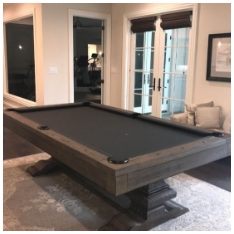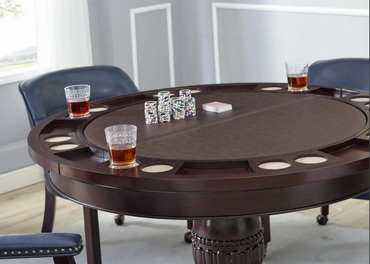
Choosing the right poker table is an important decision for anyone who enjoys hosting game nights or playing poker regularly. A well-designed table improves comfort, enhances gameplay, and adds a professional touch to your space. However, not all poker tables are built the same. Understanding what to evaluate before buying helps you make a smart and lasting investment. This guide explains What Features Should You Look for in a Poker Table so you can select one that meets your needs, space, and playing style.
Table Size and Seating Capacity
One of the first features to consider is the size of the poker table. Poker tables come in different dimensions, and the right size depends on how many players you plan to accommodate.
Standard Poker Table Sizes
- 6–8 player tables are suitable for smaller rooms and casual games.
- 8–10 player tables are ideal for regular home games.
- 10+ player tables are best for large spaces or serious players.
Before purchasing, measure your room carefully. Ensure there is enough space around the table for chairs and easy movement. A table that is too large can make the room feel crowded, while a small table may limit comfort during longer sessions.
Playing Surface Quality
The playing surface directly affects card handling and chip movement, making it one of the most important considerations.
Felt and Speed Cloth Options
- Traditional felt offers a classic look and soft feel.
- Speed cloth provides smoother card glide and is more resistant to spills.
High-quality surfaces reduce friction and allow cards to slide easily during dealing. They also resist pilling and wear over time. When deciding What Features Should You Look for in a Poker Table?, the playing surface should be near the top of your checklist.
Rail Padding and Player Comfort
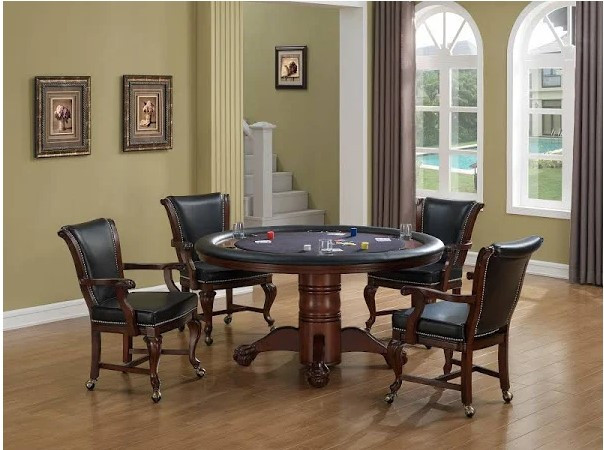
Comfort plays a key role, especially during long poker sessions. The rail is the padded edge where players rest their arms.
Thickness and Upholstery
- Look for thick foam padding that supports arms comfortably.
- Upholstery should be durable and easy to clean, such as vinyl or synthetic leather.
Poor rail padding can lead to discomfort and fatigue. A well-padded rail helps players stay relaxed and focused throughout the game.
Cup Holders and Player Accessories
Built-in features can greatly improve convenience and keep the table organized.
Cup Holder Materials
- Stainless steel holders are durable and easy to clean.
- Plastic holders are lightweight and budget-friendly.
Cup holders prevent spills on the playing surface and provide designated spaces for drinks. Some poker tables also include chip trays or dealer cutouts, which can enhance the overall playing experience.
Table Frame and Build Quality
A poker table should feel solid and stable during use. Weak construction can cause wobbling, which disrupts gameplay.
Frame and Leg Design
- Hardwood or metal frames offer better durability.
- Foldable legs are useful for storage but should lock securely in place.
Check the weight and balance of the table. A sturdy frame ensures the table remains steady even during active games.
Portability and Storage Options
Not everyone has a dedicated game room. If space is limited, portability becomes an important factor.
Folding and Modular Designs
- Folding poker tables are easy to store when not in use.
- Modular tables allow you to add or remove sections as needed.
If you plan to move the table often, choose a design that balances convenience with strength. Lightweight tables are easier to handle but should still offer stability.
Design and Visual Appeal
While performance matters most, appearance should not be overlooked. A poker table often becomes the focal point of the room.
Shape and Finish
- Oval and round tables are common for home use.
- Professional-style tables offer a more formal look.
Choose colors and finishes that complement your interior. A well-designed table enhances the atmosphere and creates a more engaging gaming environment.
Budget and Long-Term Value
Poker tables are available across a wide price range. The cheapest option may not always offer the best value.
Balancing Cost and Quality
- Entry-level tables are suitable for occasional use.
- Mid-range tables offer better comfort and durability.
- High-end tables are built for frequent, long-term play.
When asking What Features Should You Look for in a Poker Table?, consider how often you will use it. Investing in quality materials and construction often saves money over time by reducing the need for replacement.
Conclusion
Selecting the right poker table requires careful consideration of size, comfort, materials, and build quality. From the playing surface to the rail padding and frame construction, every detail contributes to a better gaming experience. By understanding What Features Should You Look for in a Poker Table, you can confidently choose a table that fits your space, playing habits, and long-term needs. A thoughtfully chosen poker table not only improves gameplay but also adds lasting value to your home entertainment setup.