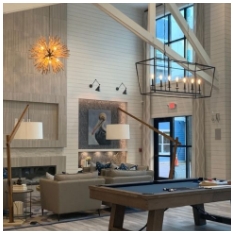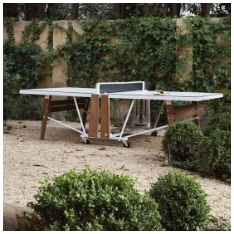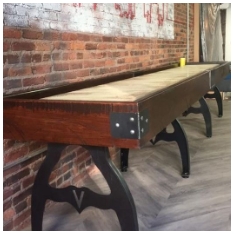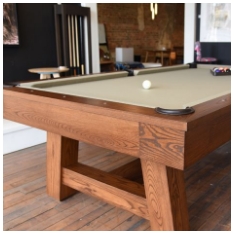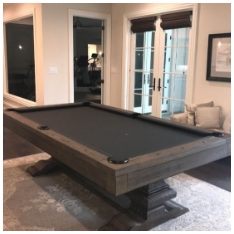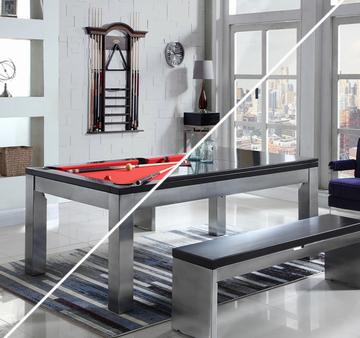
Choosing a pool table involves more than selecting a design that suits the room. A well-made table should provide a level playing surface, consistent ball movement, durable construction, and dimensions appropriate for the available space. Modern pool tables are available in many styles, ranging from traditional tournament-inspired designs to contemporary models created for residential interiors.
If you are comparing different options, an important question to consider is: What Features Should You Look for in a modern pool table The answer depends on how often the table will be used, the level of play expected, room dimensions, material quality, and long-term maintenance requirements.
Understanding the main components can help you choose a table that combines reliable performance with practical design.
Check the Playing Surface Material
The playing surface is one of the most important parts of a pool table because it directly affects how smoothly and accurately the balls travel.
Higher-quality tables commonly use slate beneath the cloth. Slate provides a firm, flat, and stable surface that is less likely to warp over time compared with lighter alternative materials.
Consider Slate Thickness and Construction
Slate pool tables may use a single-piece or three-piece construction. Three-piece slate is widely used because individual sections can be levelled during installation, helping create an even playing surface.
Thickness can also affect stability. A substantial slate bed provides a solid foundation, although it increases the overall weight of the table.
For occasional recreational use, non-slate surfaces may be suitable, but players who prioritise consistency usually prefer slate.
Examine the Frame and Cabinet Construction
A pool table must support considerable weight, particularly when slate is used. The frame should therefore be constructed from materials capable of maintaining stability over many years.
Solid hardwood, engineered wood, steel, or combinations of these materials are commonly used in modern designs.
Look closely at the internal support structure rather than judging the table only by its exterior appearance. Cross beams and reinforced framing can help prevent movement and keep the slate properly supported.
A strong frame also reduces the risk of unevenness caused by gradual structural changes.

Look for Adjustable Levelling Features
Even a high-quality playing surface will not perform correctly if the table is not level.
Modern pool tables may include adjustable feet or internal levelling systems that make it easier to compensate for minor variations in flooring.
This is particularly useful in residential settings where floors may not be perfectly even.
Professional installation is still recommended for slate tables, but adjustable components make future corrections easier if the table or flooring settles over time.
Evaluate the Cushion Quality
The cushions fitted along the rails influence how balls rebound after contact.
Quality cushions should produce predictable and consistent responses across the entire table. Natural gum rubber and other durable cushion materials are commonly used in well-constructed models.
Press the cushion gently when inspecting a table. It should feel firm and responsive rather than overly hard or unusually soft.
Check Cushion Consistency Around the Table
Each rail should provide similar rebound performance. Inconsistent cushions can affect shot accuracy and make gameplay frustrating.
If possible, test shots against several rails before purchasing a display model. This can provide a clearer indication of how consistently the cushions perform.
Choose the Right Pool Table Cloth
Pool table cloth affects ball speed, control, durability, and general appearance.
Wool-blend cloth is commonly used on residential and commercial tables because it offers a practical balance between durability and playing performance. Worsted cloth has a smoother finish and is often preferred by more experienced players because it allows faster, more consistent ball movement.
Colour is also important, particularly when the table will be placed in a living room, games room, or entertainment space.
However, cloth quality should generally take priority over appearance if the table will receive regular use.
Consider the Table Size and Available Room
Pool tables come in several standard sizes, so measuring the room carefully is essential.
A table may technically fit inside a room while still leaving insufficient space for comfortable cue movement.
When calculating the required area, consider both the table dimensions and the length of the cues that will normally be used.
For example, larger tables provide more playing space but require substantially more clearance around every side.
Before purchasing, mark the approximate table dimensions on the floor and check whether players can comfortably move around the entire perimeter.
Inspect the Pocket Design
Pool table pockets vary in shape, size, material, and installation style.
Some modern tables use drop pockets, where balls remain inside individual pockets. Others feature internal ball-return systems that collect balls in a central location.
Drop pockets are generally simpler and require fewer mechanical components, while ball-return systems can be convenient in frequently used entertainment or commercial environments.
Pocket openings should also be reasonably consistent. Poorly aligned or unusually sized pockets can affect gameplay.
Consider Rail and Sight Design
The top rails serve both functional and visual purposes.
Strong rails provide a stable surface for players while also supporting the cushions. They may be made from hardwood, engineered wood, metal, or other materials depending on the table design.
Many tables also include sights or markers positioned along the rails. These help players calculate angles for bank shots and positional play.
Check that the markers are clearly positioned and securely fitted.
Review the Overall Design and Finish
Modern pool tables are often designed to function as part of the room rather than as separate recreational equipment.
Contemporary models may feature clean lines, minimal detailing, metal frames, neutral finishes, or timber surfaces that coordinate with existing furniture.
Some designs can also be converted into dining or conference tables through removable tops.
While appearance is important, decorative features should not compromise the quality of the playing surface or structural support.
Check Installation and Maintenance Requirements
Slate pool tables are heavy and generally require professional delivery and installation.
Before purchasing, determine whether installation is included and whether the supplier offers future levelling, cloth replacement, cushion servicing, or relocation support.
Routine maintenance usually includes brushing the cloth, keeping the surface covered when not in use, cleaning balls, and checking that the table remains level.
Conclusion
So, What Features Should You Look for in a Modern Pool Table Start with the elements that directly influence performance: a stable playing surface, strong frame, responsive cushions, appropriate cloth, accurate levelling, and suitable dimensions.
After these fundamentals are addressed, consider pocket design, rail construction, visual finish, and additional functions such as dining-table conversion. A carefully selected pool table should suit both the available room and the way it will be used, while providing consistent play and dependable construction for years of regular enjoyment.