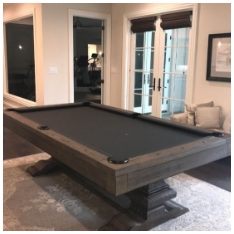
Pool table felt plays a central role in how the game feels, how quickly the balls travel, and how accurately players can control each shot. Although it is commonly called “felt,” the playing surface is technically a woven cloth designed specifically for billiards. Its material, weave, weight, and condition can significantly influence speed, spin, consistency, and overall playing comfort.
Choosing the right cloth is therefore not only an aesthetic decision. Whether a table is intended for home recreation, commercial use, professional practice, or competitive play, the surface should match the expected playing style and maintenance requirements.
Why Pool Table Felt Matters
The cloth creates the surface over which every ball moves. A smoother and tighter weave generally allows balls to travel faster, while a thicker or fuzzier surface creates more resistance and slows them down.
Pool table felt also affects:
- Ball speed and roll distance
- Accuracy of straight shots
- Spin and cue-ball control
- Cushion response
- Playing consistency
- Table maintenance requirements
Even a high-quality table may perform poorly when fitted with unsuitable, worn, or incorrectly installed cloth. Proper cloth selection and installation help ensure that the playing surface remains level, responsive, and predictable.
Main Types of Pool Table Felt
Pool table cloth can generally be divided into two major categories: woollen cloth and worsted cloth. Each type offers a different gameplay experience.
Woollen Pool Table Cloth
Woollen cloth is one of the most common options for home tables, recreational rooms, pubs, and commercial venues. It is usually made from a blend of wool and nylon.
This type of cloth has a slightly thicker and softer surface. Small fibres remain visible on the top layer, creating what is known as a nap. The nap adds friction and slows the balls as they move across the table.
Woollen cloth is often preferred by casual players because it provides controlled ball movement and a familiar playing experience. It is also generally more affordable than professional-grade alternatives.
However, the surface may collect chalk dust, lint, and debris more easily. It can also develop visible wear marks in areas where shots are frequently played.

Common characteristics include:
- Slower ball speed
- Softer playing surface
- More affordable pricing
- Suitable for casual and commercial use
- Greater need for regular brushing
- Higher likelihood of pilling over time
Worsted Pool Table Cloth
Worsted cloth is manufactured using tightly twisted and combed wool fibres. Unlike woollen cloth, it has little or no visible nap. The surface is smooth, dense, and consistent.
Because the weave creates less resistance, balls travel faster and maintain momentum for longer distances. This makes worsted cloth suitable for skilled players who rely on precise position control, spin, and advanced shot techniques.
Worsted cloth is commonly used in tournaments, professional venues, training centres, and premium home game rooms. It usually costs more, but its tightly woven construction can provide strong durability when properly maintained.
Common characteristics include:
- Faster and smoother ball movement
- Consistent roll in different directions
- Better response to spin and English
- Reduced pilling and surface fuzz
- Suitable for advanced and competitive play
- Higher initial cost
How Cloth Material Affects Gameplay
The composition of the cloth influences its durability and responsiveness. Many pool table fabrics combine wool with synthetic fibres such as nylon or polyester.
Wool Content
Wool contributes softness, natural resilience, and controlled ball movement. Cloth with a higher wool percentage may provide a traditional feel, but its performance also depends on how the fibres are woven.
A high wool content does not automatically mean the cloth is faster or more suitable for professional play. The weave and finishing process are equally important.
Nylon and Synthetic Fibres
Synthetic fibres improve strength and help the cloth resist stretching, tearing, and frequent use. They may also make the surface easier to maintain.
Commercial tables often use wool-and-nylon blends because they must withstand repeated games, accidental spills, and regular cleaning. However, lower-quality synthetic cloth may create inconsistent ball movement or wear unevenly.
Cloth Speed and Playing Style
Cloth speed refers to how quickly and how far a ball travels after being struck. Faster cloth requires players to use less force, while slower cloth demands firmer shots.
Slow Cloth
Slow cloth can be suitable for beginners because the balls are easier to control. It may reduce excessive movement and help players focus on basic shot accuracy.
However, slow surfaces can make long-distance position play more difficult. Players may need to apply additional force, which can reduce precision.
Fast Cloth
Fast cloth supports longer ball travel and requires a more controlled stroke. Skilled players may prefer it because small adjustments in cue speed and spin produce noticeable results.
For beginners, fast cloth can initially feel difficult because minor errors may lead to greater cue-ball movement.
The Importance of Cloth Weight and Weave
Pool table cloth is available in different weights and weave densities. Heavier cloth is not always slower, and lighter cloth is not always faster. Performance depends on how tightly the fibres are woven and how smooth the finished surface is.
A dense weave can improve durability and prevent chalk from becoming deeply embedded in the cloth. It may also reduce irregular ball movement caused by loose fibres.
When comparing products, buyers should review the intended use rather than selecting cloth based only on weight or appearance.
Choosing Felt for Different Settings
The ideal felt depends on where and how the table will be used.
Home Recreation Tables
For occasional family games, standard woollen cloth may offer a practical balance between cost, comfort, and durability. It provides manageable speed and does not require professional-level playing ability.
Commercial Pool Tables
Tables in clubs, pubs, hotels, and recreation centres need durable cloth that can handle frequent play. A strong wool-and-nylon blend may be appropriate, especially when regular maintenance is available.
Tournament and Training Tables
Competitive players generally benefit from worsted cloth because it delivers a consistent and faster surface. Practising on tournament-style fabric also helps players prepare for professional playing conditions.
Felt Colour and Visibility
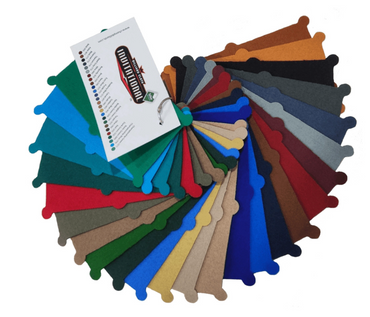
Colour does not directly determine cloth speed, but it can influence visual comfort. Traditional green remains popular because it offers clear contrast against the balls and is comfortable to view during long sessions.
Blue is also widely used in competitive environments due to its strong visibility under bright lighting. Darker colours may show chalk marks more clearly, while very light colours can reveal stains and general wear.
The chosen colour should support ball visibility, room lighting, and the overall design of the playing area.
Pool Table Felt Maintenance
Regular maintenance helps preserve cloth speed and consistency.
Players should brush the cloth gently in one direction using a proper pool table brush. Chalk dust and debris should be removed before they become embedded in the weave. A low-powered vacuum may be used carefully, but strong suction can stretch or damage the cloth.
Food and drinks should be kept away from the table. Spills must be blotted immediately rather than rubbed, as rubbing can spread the liquid and disturb the fibres.
The cloth may require replacement when it develops tears, permanent stains, loose areas, deep wear lines, or noticeably inconsistent ball movement.
Conclusion
Understanding different pool table felt types and their impact on gameplay helps table owners choose a surface that supports their preferred playing style. Woollen cloth offers controlled speed and practical value for casual settings, while worsted cloth provides the smoothness and consistency required for advanced or competitive play.
Material composition, weave, installation quality, maintenance, and frequency of use should all be considered before making a decision. The right pool table cloth can improve ball control, support accurate shots, and provide a more reliable playing experience for years.