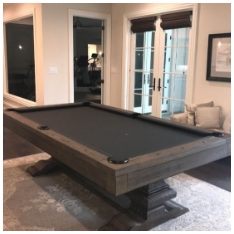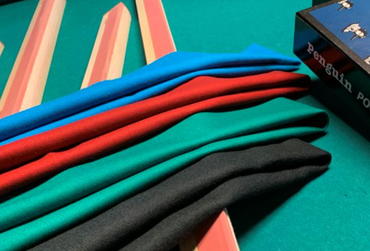
Pool table felt plays a major role in how the game feels, how the ball moves, and how long the table remains in good condition. Many players focus on cues, balls, and table size, but the felt surface is just as important. The right felt can improve speed, control, consistency, and overall playing experience.
When choosing or maintaining a pool table, it is helpful to know how different cloth materials and weaves perform. Understanding Different Pool Table Felt Types and Their Impact on Gameplay can help players, homeowners, clubs, and game room owners make better decisions based on usage, skill level, and budget.
What Is Pool Table Felt?
Pool table felt is the cloth covering the playing surface of a pool table. Although it is commonly called “felt,” most pool table cloth is not traditional felt. It is usually made from wool, nylon, or a wool-blend material. The cloth is stretched tightly over the slate or playing bed to create a smooth surface for ball movement.
The quality, thickness, weave, and material of the felt directly affect how fast the balls roll, how much control players have, and how often the table needs maintenance or replacement.
Why Pool Table Felt Matters
The felt is not only a surface covering. It influences several parts of gameplay. A high-quality cloth allows the ball to roll smoothly and predictably. A worn or low-quality cloth can slow down shots, cause uneven ball movement, and make the table feel inconsistent.
For casual players, felt affects comfort and enjoyment. For serious players, it can impact shot accuracy, spin control, and match performance. This is why many professional tables use specific types of cloth that offer better speed and consistency.
Main Types of Pool Table Felt
Pool table felt generally falls into two main categories: woolen cloth and worsted cloth. Each type has its own benefits, limitations, and ideal use cases.
Woolen Pool Table Felt
Woolen felt is the most common type found on home tables, bars, and recreational spaces. It has a thicker and slightly fuzzy texture. This surface creates more friction, which slows the ball down compared to professional-grade cloth.
Woolen cloth is often more affordable, making it a practical choice for casual use. It is also easier to find and available in many colors. However, the fuzzy texture can develop small fibers over time. These fibers may affect ball movement and require regular brushing.
Impact of Woolen Felt on Gameplay
Woolen felt creates a slower playing surface. This can be useful for beginners because it gives them more time to control their shots. The slower speed may also make the game feel more relaxed and easier to manage.
However, advanced players may find woolen felt less accurate for spin-heavy shots or fast-paced play. The texture can cause slight resistance, which may reduce shot precision. Over time, wear marks and pilling can also affect consistency.
Worsted Pool Table Felt
Worsted cloth is a smoother, tightly woven fabric often used in professional pool halls and tournaments. Unlike woolen cloth, worsted felt has little to no fuzzy texture. This creates a faster and more consistent playing surface.
Because the weave is tighter, the balls roll with less resistance. This allows for better speed, cleaner movement, and more accurate response to spin. Worsted cloth is usually more expensive than woolen cloth, but it often lasts longer when properly maintained.
Impact of Worsted Felt on Gameplay
Worsted felt provides faster ball movement and better control for skilled players. It supports more accurate positioning, sharper cue ball control, and smoother long-distance shots. Players who are used to competitive environments often prefer worsted cloth because it offers predictable performance.
The main drawback is that beginners may find it too fast at first. Since the balls travel more easily, small errors in power or angle can become more noticeable. Still, for players who want to improve their game, worsted cloth is often a strong choice.
Wool-Nylon Blend Felt
Many pool table cloths use a blend of wool and nylon. The wool provides softness and traditional playability, while nylon improves strength and durability. This type of felt is commonly used in homes, clubs, and commercial spaces where the table gets regular use.
The performance of wool-nylon felt depends on the blend ratio and quality of the weave. A higher wool content may feel softer, while added nylon can make the cloth more resistant to wear.
Impact of Wool-Nylon Felt on Gameplay
Wool-nylon felt usually offers a balanced playing experience. It may not be as fast as worsted cloth, but it is often more durable than basic woolen felt. This makes it suitable for players who want decent performance without paying for premium cloth.
It works well for family game rooms, offices, and recreational centers where the table is used often but not necessarily for professional competition.

Key Factors to Consider When Choosing Pool Table Felt
Choosing the right felt depends on how the table will be used. A home table used occasionally may not need professional-grade cloth. A table used for league play or serious practice may benefit from worsted felt.
Playing Speed
If you prefer a slower game, woolen cloth may be suitable. If you want faster and more accurate gameplay, worsted cloth is a better option.
Durability
Tables in bars, clubs, or shared spaces need durable felt. Wool-nylon blends and high-quality worsted cloth usually handle frequent use better than basic woolen felt.
Skill Level
Beginners may feel more comfortable with slower woolen felt. Intermediate and advanced players may prefer worsted cloth because it rewards precision and improves shot consistency.
Maintenance
Woolen felt needs regular brushing to remove fibers and dust. Worsted cloth is easier to clean because of its smoother surface, but it still requires proper care.
How Felt Condition Affects Gameplay
Even the best pool table felt will wear out over time. Common signs of worn felt include thinning areas, burn marks, stains, loose fabric, and uneven ball roll. When the cloth becomes damaged, it can affect both appearance and performance.
A worn surface may slow the ball, change its direction slightly, or make spin less predictable. Regular cleaning, proper brushing, and avoiding food or drinks near the table can help extend the life of the felt.
Best Felt Type for Different Users
For casual home use, woolen felt is often enough. It is affordable, easy to replace, and suitable for relaxed games. For frequent players who want better control and smoother performance, a wool-nylon blend may be a practical middle option.
For serious players, pool halls, and competitive setups, worsted cloth is usually the best choice. It offers better speed, accuracy, and long-term consistency.
Conclusion
Pool table felt has a direct effect on gameplay, ball speed, control, and table durability. Woolen felt is affordable and beginner-friendly, while worsted felt delivers faster and more precise performance. Wool-nylon blends offer a balance between durability and playability.
Choosing the right felt depends on your playing style, budget, maintenance expectations, and how often the table is used. By understanding the differences between felt types, you can create a better playing experience and keep your pool table performing well for years.