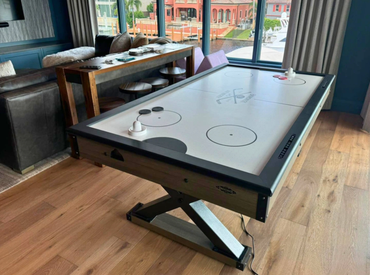
Air hockey is an exciting game that combines speed, skill, and friendly competition. Whether you want to create an entertainment area at home, upgrade your game room, or add a new attraction to a commercial space, choosing the right air hockey table can make a significant difference. However, with different sizes, materials, features, and price ranges available, selecting the best option requires careful consideration.
This Ultimate Air Hockey Table Guide: Top Tips Before Buying explains the essential factors to consider before making your purchase. From playing surface quality to motor performance, these practical tips will help you find an air hockey table that suits your space, budget, and playing requirements.
1. Choose the Right Air Hockey Table Size
The size of the table is one of the first factors to evaluate. Air hockey tables range from compact models designed for children and casual play to full-size tables built for more competitive games.
Measure Your Available Space
Before purchasing a table, measure the intended installation area. Remember that players need enough room to stand comfortably at both ends and move their arms without hitting walls or furniture.
Consider the following options:
- Compact tables: Suitable for children, smaller rooms, and occasional family games.
- Mid-size tables: A practical choice for teenagers, adults, and home entertainment spaces.
- Full-size tables: Ideal for dedicated game rooms, serious players, and commercial environments.
Choosing a table that fits comfortably into your room will make playing more enjoyable and help prevent unnecessary movement restrictions.
2. Check the Playing Surface Quality
The playing surface directly affects the speed and consistency of the game. A smooth, level surface allows the puck to glide more easily, while an uneven or poorly finished surface can interfere with gameplay.
Look for a durable surface made from materials designed to resist scratches and regular wear. The finish should be smooth, and the table should remain level after installation.
Also, inspect the edges and corners for solid construction. A sturdy playing surface is particularly important if the table will be used frequently by several players.

3. Evaluate the Airflow System
The airflow system is one of the most important components of an air hockey table. A motor-powered fan pushes air through small holes across the playing surface, creating a cushion that allows the puck to glide.
Look for Consistent Air Distribution
A good airflow system should distribute air evenly across the table. Inconsistent airflow can cause the puck to slow down in certain areas, affecting the overall playing experience.
When comparing models, consider the motor's performance, the distribution of air holes, and the manufacturer's maintenance recommendations. A reliable fan system can improve gameplay and help maintain consistent performance over time.
For frequent use, prioritize a table with a dependable motor and readily available replacement parts.
4. Consider Build Quality and Stability
An air hockey table should be strong enough to withstand regular games without wobbling or shifting. The frame, legs, and support structure all contribute to its stability.
Tables made with sturdy engineered wood, reinforced frames, or suitable composite materials can offer good durability when properly constructed. Metal supports may provide additional stability, depending on the design.
Check whether the table has adjustable leg levelers. These help compensate for minor floor irregularities and keep the playing surface level.
If you expect frequent or energetic games, avoid choosing a model based solely on its appearance or low price. A stable frame is essential for long-term use.
5. Compare Features and Accessories
Modern air hockey tables offer several features that can improve convenience and entertainment. However, the best features depend on how you intend to use the table.
Useful Features to Look For
Consider these common additions:
- Electronic scoring: Tracks goals automatically and makes games easier to manage.
- Manual scoring systems: Offer a simple, low-maintenance alternative.
- LED lighting: Improves visibility and creates an attractive game-room appearance.
- Puck and striker storage: Keeps accessories organized when the table is not in use.
- Leg levelers: Help maintain a balanced playing surface.
- Protective covers: Reduce dust accumulation and protect the surface between games.
Some models include sound effects, timers, or additional electronic controls. These features can be enjoyable, but they should not take priority over airflow, stability, and surface quality.
6. Set a Realistic Budget
Air hockey tables are available at different price points, depending on their size, construction, motor performance, and additional features.
Before shopping, decide how much you are willing to spend. Include potential delivery, assembly, accessories, and maintenance costs in your overall budget.
Lower-priced models may be suitable for occasional family entertainment, while higher-quality tables can be a better investment for frequent play. Commercial users should also consider expected usage levels and the cost of replacing worn components.
Compare several models within your budget and evaluate their specifications, warranty coverage, and customer reviews. Paying more is worthwhile only when the additional quality or features meet your needs.
7. Check Maintenance Requirements
Regular maintenance helps preserve an air hockey table's performance and appearance. Before buying, find out how easy it is to clean the playing surface, access the fan, and obtain replacement components.
Keep the surface free from dust and debris, as blocked air holes can affect puck movement. Use a soft cloth and cleaning products approved by the manufacturer. Avoid excessive moisture around electrical components.
Inspect the puck, strikers, fan openings, and power connections periodically. A protective cover can also help keep the table clean when it is not being used.
Choosing a model with straightforward maintenance requirements can save time and reduce long-term ownership costs.
8. Review the Warranty and Brand Reputation
A manufacturer's warranty provides useful information about the support available if a component develops a fault. Before purchasing, review the warranty period and check which parts are covered.
Pay attention to customer feedback about motor reliability, table stability, assembly instructions, and after-sales service. Confirm that replacement fans, pucks, strikers, and other necessary components are available when needed.
For a more informed decision, compare specifications from multiple sellers rather than relying on product photographs or promotional descriptions alone.
Conclusion
Buying the right air hockey table involves more than selecting an attractive design. You should consider table size, available space, playing surface quality, airflow, stability, useful features, budget, and maintenance requirements.
By following the recommendations in this Ultimate Air Hockey Table Guide: Top Tips Before Buying, you can compare available options with greater confidence and choose a table that suits your playing needs.
Whether you are creating a family entertainment area or equipping a commercial game room, focus on reliable construction and consistent performance. A carefully selected air hockey table can provide enjoyable games and lasting value for years to come.