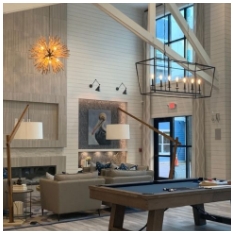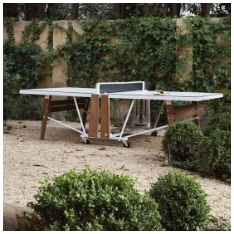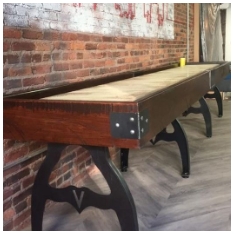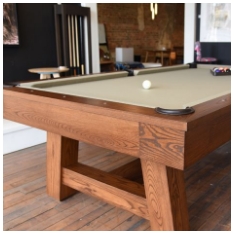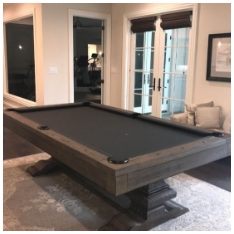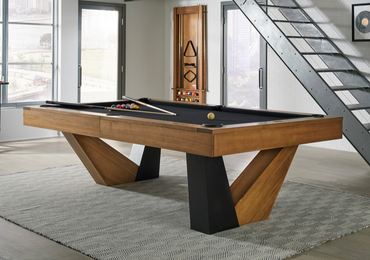
The type of wood used in a pool table affects more than its appearance. It can influence the table’s strength, weight, maintenance requirements, cost, and ability to complement the surrounding interior. Since a quality pool table is often kept for many years, selecting a suitable wood species is an important part of the buying process.
Walnut, oak, cherry, and mahogany are among the most commonly considered woods for pool tables. Each offers a different grain pattern, colour, level of hardness, and design character. Understanding these differences can help homeowners, clubs, and commercial venues choose a table that balances performance with visual appeal.
Why Wood Selection Matters for a Pool Table
The frame and cabinet of a pool table must support considerable weight, particularly when the playing surface is made from slate. Stable hardwood construction helps prevent movement, bending, and structural weakness over time.
Wood selection also determines how the table fits into a room. A dark walnut or mahogany table may suit a traditional games room, while oak can work well in casual or rustic interiors. Cherry offers a warmer appearance that can complement both classic and contemporary spaces.
It is also important to distinguish between solid hardwood, hardwood veneer, and engineered wood. Solid wood generally provides greater durability, but it can increase the overall price and weight of the table. Veneers can provide the appearance of premium timber at a lower cost, provided the underlying structure is properly built.
Walnut Pool Tables
Walnut is valued for its deep brown colour, fine grain, and balanced appearance. Its natural shades may range from lighter brown to dark chocolate, sometimes with subtle grey or purple undertones.
Advantages of Walnut
Walnut provides a refined appearance without appearing overly formal. Its grain is usually straighter and less pronounced than oak, making it suitable for interiors that favour clean lines and understated details.
It is also relatively stable when properly dried and finished. This stability is useful for pool table cabinets, legs, and rails that must retain their shape over extended periods.
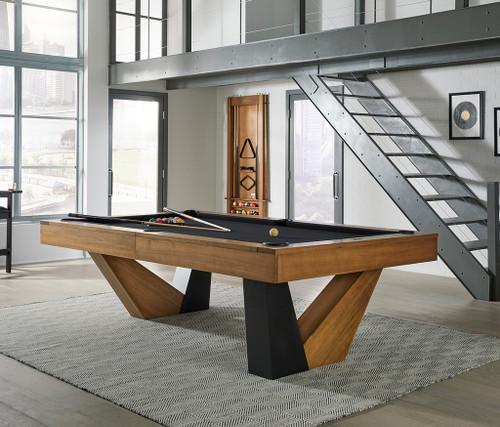
Points to Consider
Walnut is generally more expensive than oak because of its availability and visual appeal. It is also slightly softer than some other hardwoods, so the finish may require protection from scratches, impacts, and heavy objects.
A walnut pool table is often suitable for modern games rooms, private lounges, offices, and homes with darker wooden furniture.
Oak Pool Tables
Oak is one of the most widely used hardwoods in furniture construction. It is known for its strength, visible grain, and broad range of finishes. Both red oak and white oak may be used, although their colour and grain characteristics differ.
Advantages of Oak
Oak is hard, durable, and capable of supporting the heavy structure of a slate pool table. Its pronounced grain gives the table a clear wooden character, even when stained in a darker shade.
It is also versatile. Light oak can suit Scandinavian, farmhouse, or casual interiors, while stained oak can create a more traditional appearance. Compared with walnut, cherry, and mahogany, oak is often more widely available and may be more affordable.
Points to Consider
The strong grain pattern of oak may not appeal to buyers looking for a smooth or subtle finish. Oak furniture can also feel visually heavy when combined with other strongly grained wooden elements.
Oak is a practical option for family games rooms, pubs, recreation spaces, and frequently used pool tables where durability is a priority.
Cherry Pool Tables
Cherry wood is recognised for its smooth grain and warm reddish-brown colour. Freshly finished cherry may appear lighter, but it gradually darkens when exposed to light and air.
Advantages of Cherry
Cherry has a fine, even texture that allows manufacturers to create smooth rails, detailed legs, and carefully finished cabinet surfaces. Its warm colour can make a pool table feel inviting without producing the darker appearance associated with mahogany.
Another notable characteristic is the way cherry develops over time. Its colour becomes richer as it ages, giving the table a more established appearance.
Points to Consider
Cherry is moderately hard but may show dents or scratches more easily than oak. Colour changes may also occur unevenly when parts of the table receive different levels of sunlight.
Cherry pool tables work well in dining-game rooms, traditional homes, libraries, and spaces with warm-toned furniture.
Mahogany Pool Tables
Mahogany has long been associated with formal furniture and traditional craftsmanship. It typically has a reddish-brown colour, straight grain, and smooth surface.
Advantages of Mahogany
Mahogany is valued for its dimensional stability and ability to hold detailed carving. These qualities make it suitable for pool tables with decorative legs, moulded cabinet panels, or traditional design features.
Its darker colour can create a strong focal point in a room. A polished mahogany finish often pairs well with leather seating, panelled walls, and traditional lighting.
Points to Consider
Genuine mahogany can be costly, and buyers should confirm exactly which species or material is being used. Some tables described as mahogany may use a mahogany-colored stain or veneer rather than solid timber.
Responsible sourcing is another important consideration. Buyers should look for clear information about timber origin and recognised forestry certification where available.

Walnut vs. Oak vs. Cherry vs. Mahogany
When comparing the Types of Wood for Pool Tables: Walnut vs. Oak vs. Cherry vs. Mahogany, the right choice depends on the intended room, budget, usage level, and preferred finish.
Oak is usually the practical choice for strength and value. Walnut offers a darker, more restrained appearance. Cherry provides warmth and develops a richer colour over time, while mahogany suits formal rooms and traditional table designs.
The construction quality remains more important than the wood name alone. A well-built oak table may provide better long-term performance than a poorly constructed table made with a more expensive timber.
How to Choose the Right Pool Table Wood
Begin by considering how frequently the table will be used. Oak can be suitable for busy family or commercial settings, while walnut, cherry, and mahogany may appeal to buyers placing greater importance on interior design.
Check whether the table uses solid hardwood, veneer, or a combination of materials. Examine the frame joints, cabinet support, leg construction, rail alignment, and finish quality. The wood should be properly sealed to reduce the risk of moisture damage, staining, and surface wear.
Room conditions should also be considered. Avoid placing a wooden pool table in areas with excessive humidity, direct sunlight, or major temperature changes. Regular dusting and occasional cleaning with products approved for the finish can help preserve the surface.
Conclusion
Walnut, oak, cherry, and mahogany can all be suitable materials for pool tables when used in a well-designed structure. Oak stands out for durability and versatility, walnut provides subtle elegance, cherry adds warmth, and mahogany delivers a traditional formal appearance.
Before selecting a table, compare the complete construction rather than focusing only on the visible wood. Frame strength, slate support, rail quality, finish, installation, and maintenance requirements will ultimately determine how well the pool table performs and ages.