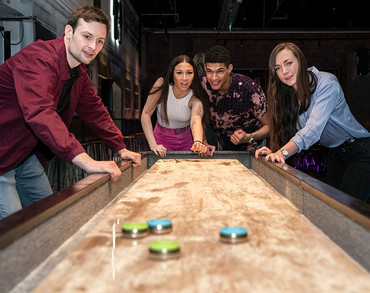
Table shuffleboard is a popular indoor game enjoyed in homes, clubs, and recreational spaces. It combines skill, strategy, and precision, making it suitable for players of all ages. While many people are familiar with the basic concept, fewer know that there are several formats and rule variations. Understanding the different ways to play table shuffleboard helps players choose the style that best fits their preferences and skill level.
What Is Table Shuffleboard?
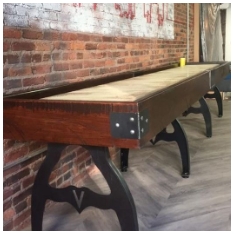
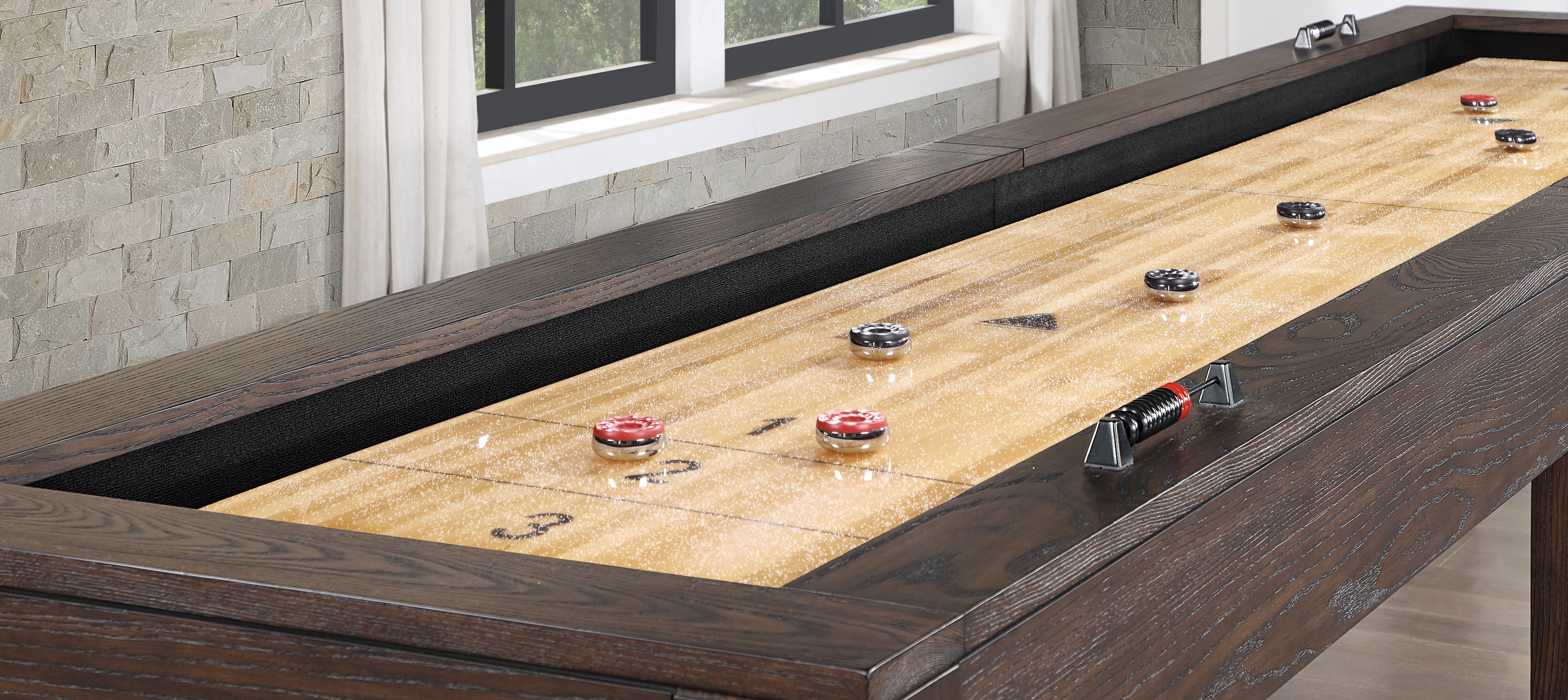
Table shuffleboard is played on a long, smooth wooden table using weighted pucks. Players slide the pucks toward the opposite end of the table, aiming to score points by landing them in specific scoring zones or positioning them strategically.
The objective varies depending on the game type, but accuracy and control are always essential.
Basic Rules of Table Shuffleboard
Before exploring variations, it is important to understand the basic rules that apply to most shuffleboard games:
- Players take turns sliding pucks down the table.
- Each player or team uses pucks of the same color.
- Pucks must cross the foul line to be counted.
- Any puck hanging off the edge of the table scores extra points in some game types.
These rules form the foundation for most shuffleboard variations.
Popular Ways to Play Table Shuffleboard
- Knock Off Shuffleboard
Knock Off is one of the most widely played table shuffleboard games and is often recommended for beginners.
How It Works
- Players alternate turns sliding pucks.
- Only one player or team scores per round.
- Points are counted based on puck positions at the end of the round.
Scoring
- Hanging puck: 4 points
- Three-point zone: 3 points
- Two-point zone: 2 points
- One-point zone: 1 point
This game emphasizes defensive play, as players often knock opponents’ pucks out of scoring positions.
- Horse Collar Shuffleboard
Horse Collar is another common variation and is slightly more challenging than Knock Off.
How It Works
- Players must land pucks in specific scoring areas.
- A hanging puck automatically wins the round.
Scoring Rules
- A hanging puck ends the game instantly.
- Landing in the highest scoring zone without touching lines scores maximum points.
This format rewards precision and careful shot placement.
- Crazy Eight Shuffleboard
Crazy Eight is a faster-paced version that focuses on reaching a target score.
How It Works
- Players score points in each round.
- The first player or team to reach exactly eight points wins.
Important Rule
- If a player exceeds eight points, their score resets to zero.
This rule adds pressure and makes the game unpredictable.
- One-on-One Shuffleboard
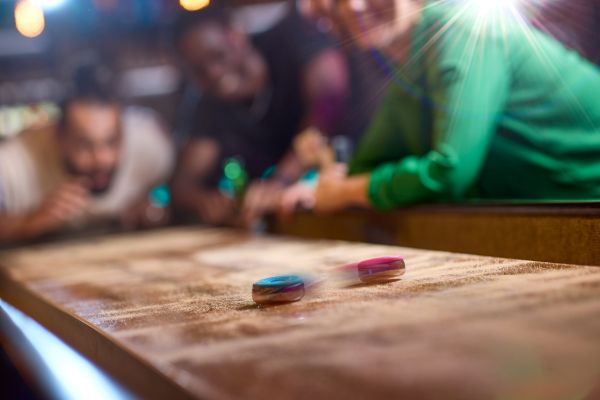
One-on-One is a simple and direct way to enjoy table shuffleboard, especially in casual settings.
How It Works
- Two players compete individually.
- Standard scoring zones are used.
- Games usually go up to 15 or 21 points.
This format is ideal for practice and improving individual skills.
- Team Shuffleboard
Team shuffleboard allows four or more players to participate.
How It Works
- Players are divided into teams.
- Teammates alternate turns.
- Scores are combined for the team.
This version is popular in social gatherings because it encourages communication and strategy.
Alternative Scoring Methods
Some players prefer alternative scoring systems to add variety.
Countdown Scoring
- Players start with a fixed number of points.
- Points are subtracted instead of added.
- The first to reach zero wins.
No Knock Rule
- Players are not allowed to knock opponent pucks.
- This format focuses purely on accuracy.
These methods offer new challenges without changing the equipment or table.
Choosing the Right Shuffleboard Style
When deciding among the different ways to play table shuffleboard, consider the following factors:
- Skill level: Beginners may prefer Knock Off or One-on-One.
- Number of players: Team shuffleboard works best for groups.
- Game duration: Crazy Eight offers quicker matches.
- Competitive play: Horse Collar suits experienced players.
Selecting the right format ensures a more enjoyable experience.
Tips for Better Gameplay
- Maintain a consistent sliding motion.
- Control speed rather than force.
- Aim for positioning, not just scoring.
- Watch opponent strategies and adapt.
Practicing these fundamentals improves performance across all shuffleboard variations.
Conclusion
Table shuffleboard offers multiple ways to play, each with unique rules and scoring systems. From casual one-on-one matches to strategic team games, understanding the different ways to play table shuffleboard allows players to fully enjoy the game and keep it engaging over time. Whether played competitively or for leisure, shuffleboard remains a rewarding game that combines skill, patience, and strategy.