A pool table is more than just a recreational item it is a precision surface designed for consistent play and long-term use. Whether placed in a home game room or a commercial setting, proper care ensures smooth performance, accurate ball movement, and an extended lifespan. Neglecting maintenance can lead to uneven play, cloth damage, and costly repairs. This article explains everything you need to know, serving as The Complete Guide to Pool Table Maintenance for both beginners and experienced players.
Why Pool Table Maintenance Matters
Regular maintenance protects the structural integrity and playing quality of your pool table. Dust, moisture, and improper handling can damage the cloth, cushions, and slate over time. A well-maintained table not only looks better but also provides consistent ball roll and predictable rebounds, which are essential for fair play.
Ignoring basic care can result in stretched cloth, loose rails, and warped surfaces. Routine upkeep helps you avoid these issues while preserving your investment.
Understanding the Key Components of a Pool Table
Before discussing maintenance steps, it is important to understand the parts that require attention.
The Slate Bed
The slate bed forms the foundation of the playing surface. Most quality tables use one-piece or three-piece slate. If the slate shifts or becomes unlevel, gameplay is affected.
Pool Table Cloth
The cloth, often made from wool or wool-blend fabric, influences ball speed and accuracy. Dust, chalk residue, and spills can wear it down prematurely.
Rails and Cushions
Rails contain rubber cushions that control ball rebound. Over time, cushions may harden or loosen if not maintained correctly.
Daily and Weekly Pool Table Care
Simple habits make a significant difference in keeping your pool table in good condition.
Brushing the Cloth
Brush the cloth at least once or twice a week using a pool table brush. Always brush in one direction, typically from the head of the table toward the foot, to prevent damaging the fibers.
Removing Chalk Dust
Chalk buildup is one of the main causes of cloth wear. Gently vacuuming with a low-suction attachment can help remove fine dust without pulling on the fabric.
Using a Table Cover
When the table is not in use, cover it. A quality cover protects against dust, sunlight, and accidental spills.
Maintaining Proper Table Leveling
An unlevel pool table leads to inconsistent ball movement and poor play quality.
Checking the Level
Use a carpenter’s level to check different areas of the table. If balls drift when rolled gently, leveling may be required.
Professional Re-Leveling
Minor adjustments can sometimes be done at home, but slate leveling is best handled by professionals. Improper adjustments may crack the slate or loosen seams.
Cloth Care and Replacement
Even with careful use, pool table cloth will eventually need replacement.
Preventing Cloth Damage
Avoid sitting or leaning on the table, placing heavy objects on it, or striking balls aggressively. Always use clean cue tips to reduce friction and chalk buildup.
When to Replace the Cloth
If the cloth shows visible tears, thinning, or uneven ball roll, replacement is recommended. High-usage tables may need new cloth every few years, while home tables may last longer with proper care.
Rail and Cushion Maintenance
Rails play a critical role in gameplay and should not be overlooked.
Inspecting Rail Tightness
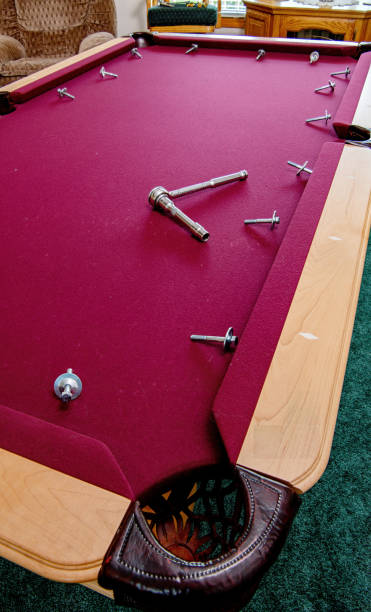
Loose rails can affect rebound accuracy. Periodically check for movement and tighten bolts if needed.
Cushion Performance
If balls no longer rebound consistently, the cushions may have hardened. Cushion replacement is a specialized task and should be done by experienced technicians.
Environmental Factors to Watch
The environment around your pool table significantly impacts its condition.
Humidity and Temperature
High humidity can cause cloth stretching and wood warping. Ideally, keep the room temperature stable and use a dehumidifier if needed.
Sunlight Exposure
Direct sunlight can fade cloth and dry out wooden components. Position the table away from windows or use curtains to limit exposure.
Long-Term Care and Professional Servicing
Routine professional servicing ensures your table remains in peak condition.
Annual Inspections
Scheduling a professional inspection once a year can help identify early signs of wear or alignment issues.
Moving a Pool Table
Never attempt to move a pool table without proper disassembly. Incorrect handling can damage the slate and frame.
Conclusion
Consistent care is the key to preserving both the appearance and performance of a pool table. From regular brushing and leveling checks to professional servicing, each step plays a role in long-term durability. By following the practices outlined in The Complete Guide to Pool Table Maintenance, you can ensure smooth gameplay, protect your investment, and enjoy your pool table for many years to come.