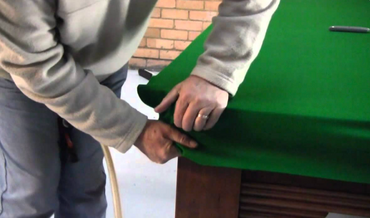
A snooker table is only as good as the condition of its playing surface. The cloth affects ball speed, direction, spin, and overall consistency. Whether the table is used at home, in a club, or in a professional setting, proper cloth care is essential for maintaining smooth gameplay and extending the life of the table surface.
This Snooker Table Cloth Care Guide: Expert Tips for All Players explains how to clean, protect, and maintain your snooker table cloth with practical steps. With regular care, players can enjoy a better playing experience while reducing the need for frequent cloth replacement.
Why Snooker Table Cloth Care Matters
The cloth on a snooker table is exposed to chalk dust, hand oils, moisture, friction, and daily wear. Over time, these factors can affect the way balls roll across the surface. A poorly maintained cloth may create uneven speed, unwanted ball movement, and visible marks.
Proper care keeps the table surface smooth and helps preserve the natural nap of the cloth. It also supports accurate shots and improves the overall look of the table. For players who practise regularly, cloth maintenance should be treated as part of the game, not as an occasional task.
Understanding the Snooker Table Cloth
Snooker table cloth is usually made from high-quality wool or wool-blend material. Unlike some pool table cloths, snooker cloth often has a directional nap. This means the fibres run in one direction, which can influence ball movement.
Because of this, cleaning and brushing must always be done carefully. Brushing against the nap or using harsh tools can damage the fibres and reduce cloth performance. Understanding this basic feature helps players care for the cloth correctly.

Daily Cleaning Tips for Snooker Table Cloth
Regular cleaning is one of the easiest ways to keep the table in good condition. After every session, remove chalk dust, loose particles, and small debris from the cloth.
Use a Proper Snooker Table Brush
Always use a brush designed for snooker or billiard tables. Brush gently in the direction of the nap, usually from the baulk end toward the top end of the table. Avoid circular brushing, as it can disturb the fibres and create uneven areas.
A soft, steady brushing routine helps keep the cloth clean without causing damage. Do not press too hard, as excessive pressure can stretch or weaken the fabric.
Avoid Household Cleaning Tools
Vacuum cleaners, rough cloths, and hard brushes can damage the playing surface. If a vacuum is used, it should only be on a very low suction setting with a soft attachment. However, brushing is usually the safer method for regular cleaning.
Never use sticky rollers, wet wipes, or general cleaning sprays on the cloth. These products may leave residue, pull fibres, or affect ball movement.
How to Remove Chalk Dust and Marks
Chalk dust is one of the main reasons snooker cloth becomes dull and uneven. Players should avoid over-chalking cues directly above the table, as chalk particles can fall onto the surface.
For light chalk marks, gentle brushing is usually enough. If marks remain, use a clean, dry, lint-free cloth and lightly dab the affected area. Avoid rubbing strongly, as this may spread the mark or damage the nap.
For deeper stains, it is better to consult a professional table technician. Using water or cleaning chemicals without proper knowledge can cause permanent marks.
Protecting the Cloth from Damage
Prevention is better than repair when it comes to snooker table cloth. Small habits can make a major difference in cloth life.
Keep Food and Drinks Away
Food crumbs, liquid spills, and greasy fingers can quickly damage the cloth. Drinks should never be placed on or near the table. Even a small spill can leave a stain or affect the cloth texture.
Use a Table Cover
When the table is not in use, keep it covered with a suitable snooker table cover. This protects the cloth from dust, sunlight, moisture, and accidental damage. A cover is especially useful in homes, clubs, and rooms where the table is not used every day.
Control Room Conditions
Humidity and temperature can affect the cloth and the table bed. A damp room may cause the cloth to absorb moisture, slowing down ball movement. A very dry room may affect the table’s wooden parts.
Try to keep the table in a clean, dry, and stable environment. Good ventilation also helps maintain the cloth condition.
Player Habits That Help Maintain Cloth Quality
Players play an important role in protecting the cloth. Simple table etiquette can prevent unnecessary damage.
Avoid sitting on the edge of the table, placing bags or equipment on the cloth, or leaning heavily on the surface. Players should also make sure cue tips are smooth and properly maintained, as damaged tips can leave marks.
Jewellery, watches, or sharp clothing accessories may scratch or pull the cloth. Being careful around the table helps protect the surface for longer use.
When Should You Replace Snooker Table Cloth?
Even with good care, snooker table cloth does not last forever. The replacement time depends on usage, cloth quality, and maintenance routine.
Signs that the cloth may need replacing include visible thinning, heavy wear marks, slow ball roll, uneven bounce, stains that cannot be removed, or damaged nap. In clubs or commercial spaces, cloth replacement may be needed more often due to regular use.
For home tables, a well-maintained cloth can last much longer. Regular brushing, covering, and careful use can delay replacement and reduce maintenance costs.
Professional Maintenance for Snooker Tables
While daily care can be handled by players, professional maintenance is useful from time to time. A table technician can inspect the cloth, cushions, pockets, levelling, and slate condition.
Professional brushing, ironing, and re-clothing should be done only by trained experts. Incorrect ironing or stretching can damage the cloth and affect table performance. For serious players, periodic professional servicing helps keep the table in match-ready condition.

Common Mistakes to Avoid
Many cloth problems happen because of incorrect cleaning methods. Avoid using water, soap, household sprays, rough brushes, or strong vacuum suction. Do not brush in random directions or rub stains aggressively.
Another common mistake is ignoring small chalk build-up. When chalk dust is left for too long, it settles into the fibres and becomes harder to remove. A few minutes of regular care after each playing session can prevent bigger issues later.
Final Thoughts
Snooker table cloth care is important for every player, whether beginner, casual, or professional. A clean and well-maintained cloth improves ball movement, supports accurate play, and keeps the table looking professional.
By brushing correctly, preventing spills, using a table cover, and maintaining good room conditions, you can extend the life of your snooker table cloth. Regular care does not take much time, but it makes a clear difference in performance and durability.
Following this Snooker Table Cloth Care Guide: Expert Tips for All Players will help you protect your table and enjoy a smoother, more consistent playing experience.