Cue sports may look similar at first glance, but the equipment used in each game is designed with specific playing styles in mind. One of the most common questions among beginners and even casual players is how a snooker cue differs from a pool cue. While both are used to strike balls on a felt-covered table, their construction, size, and performance characteristics vary in important ways.
This Snooker Cue vs. Pool Cue Understanding the Key Differences explains how these cues are made, why they feel different during play, and how to choose the right one based on the game you play.
Snooker Cue vs Pool Cue – Understanding the Key Differences
Understanding cue differences is essential for improving accuracy, control, and consistency. Using the correct cue for the game not only enhances performance but also helps develop proper technique over time.
What Is a Snooker Cue?
A snooker cue is specifically designed for the game of snooker, which is played on a larger table with smaller balls and tighter pockets. Precision and control are critical, and the cue reflects these requirements.
Key Features of a Snooker Cue
- Length: Typically around 57 to 58 inches
- Weight: Usually between 17 and 19 ounces
- Tip Size: Smaller tip, generally 9 to 10 mm
- Material: Often made from ash wood with visible grain patterns
The smaller tip allows for fine control and delicate shot-making, which is essential in snooker where positional play matters greatly.
What Is a Pool Cue?
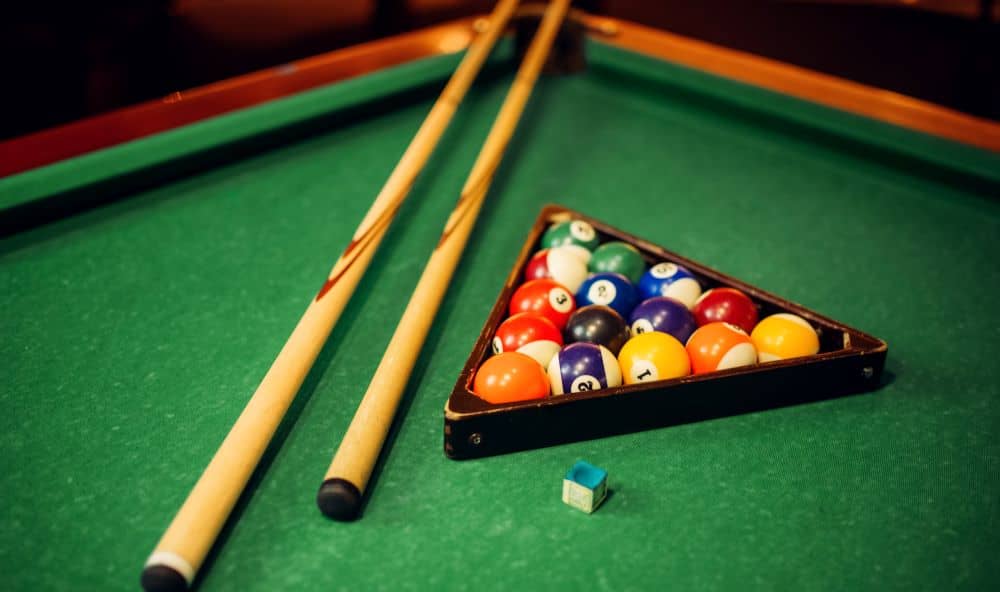
A pool cue is designed for various pool games such as 8-ball, 9-ball, and straight pool. Pool tables are smaller, balls are larger, and shots often require more power.
Key Features of a Pool Cue
- Length: Usually 58 inches
- Weight: Commonly between 18 and 21 ounces
- Tip Size: Larger tip, around 12 to 13 mm
- Material: Frequently made from maple wood or composite materials
The thicker tip and heavier build make pool cues better suited for strong break shots and powerful strokes.
Differences in Tip Size and Ball Control
One of the most noticeable differences when comparing snooker cues and pool cues is the tip size. Snooker cues have smaller tips to suit the smaller cue ball and the need for precise spin control. Pool cues, with their larger tips, provide more surface contact, which helps when striking heavier balls.
This difference directly affects how spin, speed, and accuracy are applied during play.
Weight and Balance Variations
Cue weight plays a significant role in how the cue feels in hand. Snooker cues are generally lighter, allowing players to execute softer, more controlled shots. Pool cues are heavier, offering stability and power, especially useful during breaks and long shots.
Balance points also differ. Snooker cues tend to have a more forward balance, while pool cues often feel evenly balanced throughout.
Shaft Thickness and Taper
Shaft design influences stroke smoothness and feedback.
Snooker Cue Shaft
Snooker cue shafts are thinner with a gradual taper. This design supports finesse shots and provides clear feedback on cue ball contact.
Pool Cue Shaft
Pool cue shafts are thicker with a more noticeable taper near the tip. This adds durability and helps handle stronger impacts during aggressive play.
Cue Construction and Joint Types
Snooker cues are often one-piece or made with a small joint for extensions. Pool cues commonly feature a two-piece design with a metal or wood joint, making them easier to transport and customize.
Interchangeable shafts and weight systems are also more common in pool cues, allowing players to fine-tune their equipment.
Table Size and Gameplay Influence
The design of each cue matches the playing environment.
- Snooker tables: Larger tables require longer, more precise shots
- Pool tables: Smaller tables encourage faster gameplay and stronger strokes
Using the correct cue ensures that your technique aligns with the demands of the table and ball size.
Can You Use One Cue for Both Games?
While it is technically possible to use a pool cue for snooker or vice versa, it is not recommended for consistent play. The differences in tip size, weight, and balance can negatively affect accuracy and comfort. Players who switch between games regularly often keep separate cues for each.
How to Choose the Right Cue
When deciding between a snooker cue and a pool cue, consider the following:
- The game you play most often
- Your playing style and strength
- Comfort with cue weight and tip size
- Table size and ball type
Beginners should start with a cue designed specifically for their chosen game to build proper technique from the start.
Final Thoughts
The debate around snooker cues vs. pool cues, understanding the Key Differences comes down to purpose and performance. Each cue is crafted to meet the specific demands of its game, from table size to ball weight and shot style. Choosing the right cue improves control, confidence, and overall enjoyment of the game.
Understanding these differences allows players to make informed decisions and develop skills more effectively, whether playing snooker or pool.