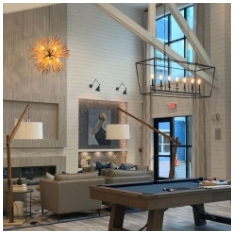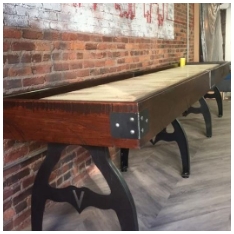
Shuffleboard is an enjoyable game that combines accuracy, patience and strategy. Whether you play casually with friends or compete in organised matches, understanding the basic techniques can help you improve your performance. Although shuffleboard may appear simple, consistently placing your pucks in scoring positions requires practice, control and a good understanding of the playing surface.
Learning shuffleboard tips: Simple ways to play better can help beginners develop confidence and allow experienced players to refine their techniques. From improving your aim to understanding defensive strategies, a few adjustments can make a noticeable difference in how you approach every game.
1. Understand the Basic Rules of Shuffleboard
Before focusing on advanced techniques, it is important to understand how shuffleboard works. In traditional table shuffleboard, players slide weighted pucks across a long, smooth playing surface towards the scoring area at the opposite end.
The objective is to place your pucks in scoring zones while preventing your opponent from doing the same. Points are awarded according to where the pucks stop. The exact scoring system depends on the type of shuffleboard being played.
In most table shuffleboard games, players alternate turns and use strategy to position their pucks effectively. Understanding the rules, scoring zones and foul lines will help you make better decisions during a match.
2. Focus on Your Stance and Position
Your stance plays an important role in maintaining balance and controlling puck movement. Stand comfortably beside the table with your feet positioned naturally. Avoid leaning too far forward or stretching unnecessarily, as this can affect your accuracy.
Keep your upper body relaxed and maintain a stable position throughout the shot. Your stance should allow your arm to move smoothly without unnecessary tension.
Maintain a Consistent Release Position
Try to release every puck from a similar position. Consistency helps you understand how much force and direction are required to reach specific scoring areas.
Practising the same movement repeatedly can improve your control and make your shots more predictable.
3. Improve Your Aiming Accuracy
Accuracy is one of the most important shuffleboard skills. A puck that travels too far may leave the scoring area, while insufficient force can prevent it from reaching the target.
Choose a specific scoring zone before taking your shot. Focus on the target rather than simply pushing the puck towards the opposite end.
Pay attention to the puck's direction and release angle. Small adjustments can help you develop better accuracy over time.
Practise Short and Long Shots
Alternate between short and long shots during practice sessions. Short shots help develop gentle control, while longer shots improve your understanding of puck speed and force.
This variation prepares you for different playing situations.
4. Control Your Puck Speed
Applying the correct amount of force is essential in shuffleboard. Pushing the puck too hard can cause it to slide beyond the scoring zone, while using too little force may leave it short of the target.
Start with gentle movements and gradually adjust your force according to the distance.
Different tables may have slightly different playing characteristics. Factors such as surface condition, wax distribution and table maintenance can influence puck movement.
Take a few practice shots before starting a competitive game to understand how the surface responds.
5. Learn Basic Offensive and Defensive Strategies
Shuffleboard is not only about placing your puck in a scoring position. It also involves thinking about your opponent's next move.
Use Offensive Shots to Score Points
When you have an opportunity, aim to place your puck in a high-scoring zone. However, avoid taking unnecessary risks when a safer scoring position is available.
Use Defensive Shots to Protect Your Position
Defensive play involves placing pucks strategically to make it difficult for your opponent to reach a scoring area.
You can also use controlled shots to move an opponent's puck away from a favourable position. Learning when to attack and when to defend can improve your overall game strategy.
6. Keep the Shuffleboard Table Clean
The condition of the playing surface directly affects puck movement. Dust, dirt and uneven wax distribution can influence speed and accuracy.
Clean the table according to the manufacturer's maintenance recommendations. Use suitable shuffleboard powder or wax and avoid applying excessive amounts.
Keep your pucks clean and check them for damage before playing. Proper equipment maintenance helps create a more consistent playing experience.
7. Practise Regularly and Learn from Every Game
Regular practice is one of the most effective ways to improve your shuffleboard skills. Instead of playing without a specific goal, focus on improving one technique during each practice session.
For example, dedicate one session to aiming accuracy and another to controlling puck speed.
Playing against different opponents can also help you understand alternative strategies. Observe how experienced players position their pucks, manage difficult shots and respond to changing game situations.
After each game, consider which shots worked well and where you lost points. Identifying these patterns can help you improve your future performance.
8. Avoid Common Shuffleboard Mistakes
Beginners often make mistakes that affect their consistency. Avoiding these habits can make learning easier.
- Using excessive force: Hard shots can send pucks beyond the scoring zones.
- Ignoring table conditions: Different surfaces may require adjustments in speed and technique.
- Rushing shots: Take enough time to assess the target and plan your movement.
- Ignoring defence: Focusing only on scoring can create opportunities for opponents.
- Changing techniques constantly: Develop a consistent release before experimenting with advanced movements.
Conclusion
Improving at shuffleboard requires a combination of accuracy, puck control, strategy and regular practice. By understanding the rules, maintaining a balanced stance, controlling your release and learning when to use offensive or defensive shots, you can become a more confident player.
These shuffleboard tips provide a practical starting point for beginners and experienced players alike. Focus on consistency, maintain your equipment and learn from every game. With patience and practice, you can improve your technique, make smarter decisions and enjoy shuffleboard even more.