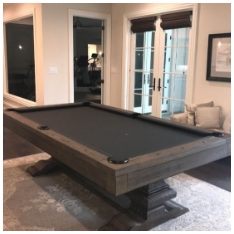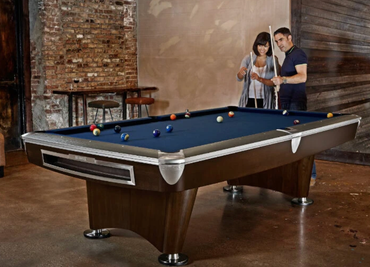
A snooker table requires more than simply placing it in a room and arranging the balls. Its position, level, cloth condition, lighting, surrounding clearance, and overall installation can directly affect how comfortably and consistently the game is played. Whether the table is being installed in a private home or a busy club, careful preparation is essential.
A Professional Snooker Table Setup for Homes and Clubs considers both playing conditions and the practical requirements of the space. From measuring the room before installation to checking the playing surface after assembly, each stage contributes to a functional snooker area.
Why Proper Snooker Table Setup Matters
Snooker depends heavily on precision. Even a slight difference in table level or cloth tension can influence how the balls travel across the playing surface.
A correctly installed table should provide a level surface, properly fitted cloth, secure cushions, correctly positioned pockets, and enough space for players to use their cues comfortably.
For clubs, setup is particularly important because tables may be used for many hours each day. Home tables may receive less frequent use, but careful installation can still reduce unnecessary wear and improve the playing experience.
Measure the Room Before Installation
The first step is determining whether the room has sufficient space for the table and players.
The dimensions of the snooker table alone are not enough. Additional clearance is required on every side so that players can hold and move a full-length cue without repeatedly hitting walls, furniture, or other objects.
Consider Cueing Space Around the Table
Measure from the outer edge of the table to walls and fixed objects. Ideally, players should be able to take a normal stance and complete a cueing action from every position around the table.
Doors, pillars, cabinets, radiators, and other permanent features should also be considered. A room may appear large enough based on floor dimensions but still create restricted areas during play.

Select the Right Position for the Table
Once room dimensions have been checked, decide where the table should be positioned.
A central position often provides more consistent clearance on all sides. However, room shape, entrances, lighting points, and other furniture may influence the final placement.
Avoid placing the table where people regularly need to walk through the playing area. In clubs, sufficient space between multiple tables can help prevent players from interfering with one another.
Prepare a Suitable Floor
Snooker tables are heavy, so the flooring beneath them needs careful consideration.
The floor should be structurally suitable and reasonably level before installation begins. Uneven flooring can make levelling more difficult and may affect table stability.
Check Flooring Materials
Hard flooring can provide a firm base, while carpet may require additional attention during installation because the table legs can settle into the surface.
If a table is being installed upstairs or in a room where structural capacity is uncertain, it may be sensible to obtain professional advice before proceeding.
Assemble and Level the Snooker Table
Accurate levelling is one of the most important parts of installation.
A snooker table that looks level may still have small variations that affect ball movement. Professional installers typically use appropriate levelling equipment to check the playing surface in several directions.
Adjustments may be required at different points until the surface is consistent.
Check the Slate Carefully
Many full-size snooker tables use a slate playing bed. During installation, the slate sections must be correctly positioned and joined to create a smooth surface.
Any unevenness between sections can affect the cloth and ball movement. The joints therefore need to be carefully prepared before the cloth is fitted.
Fit the Snooker Cloth Correctly
The cloth plays an important role in ball speed and consistency.
It should be installed with appropriate tension and without wrinkles, loose sections, or uneven areas. The direction of the cloth should also be considered because snooker cloth has a nap that influences ball behaviour.
Professional fitting helps ensure that the cloth sits correctly across the bed and around cushions and pockets.
Inspect Cushions and Pockets
Cushions should provide consistent ball response around the entire table. Loose, damaged, or incorrectly installed cushions can produce unpredictable rebounds.
Pockets also need to be properly fitted and aligned. Check that pocket openings are consistent and that nets, rails, or other fittings are securely attached.
For club tables, these components should be inspected regularly because frequent play can increase wear.
Install Appropriate Snooker Table Lighting
Good lighting allows players to see the balls, cushions, pockets, and playing surface clearly.
Lighting should cover the entire table as evenly as possible without creating distracting shadows or glare. Fixtures should also be positioned high enough that they do not interfere with players taking shots.
Control Other Sources of Light
Windows and strong room lighting can sometimes create reflections or uneven brightness across the cloth. Curtains, blinds, or suitable room lighting arrangements can help provide more consistent playing conditions.
The surrounding room does not need to be dark, but the table should remain clearly visible from every playing position.
Arrange Essential Snooker Accessories
After installation, organise the equipment required for regular play. This may include cues, rests, extensions, a triangle, chalk, a scoreboard, and ball storage.
Wall-mounted cue racks can help keep equipment organised while reducing the risk of cues being left against walls or furniture.
In clubs, dedicated storage also makes it easier to keep shared equipment accessible and monitor its condition.
Maintain the Table After Setup
A professional snooker table setup for homes and clubs should be followed by regular maintenance.
Brush the cloth appropriately to remove chalk and surface debris, and avoid placing drinks, food, or unnecessary objects on the table. A suitable table cover can protect the cloth from dust when the table is not being used.
Periodically check the table level, cushions, pockets, cloth, and frame. Clubs may require more frequent inspections because their tables generally experience heavier use.
Final Thoughts
Setting up a snooker table involves careful planning, accurate installation, and attention to the surrounding playing environment. Room dimensions, floor stability, table levelling, cloth fitting, lighting, and cue clearance should all be considered before regular play begins.
For both homes and clubs, a properly prepared snooker area can provide consistent playing conditions while helping protect the table and its components. Regular cleaning and periodic checks after installation can also help keep the table functional and ready for use over time.