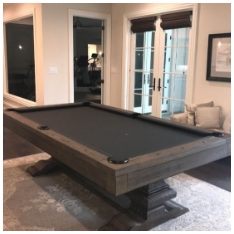
Choosing the right pool table involves more than selecting a design you like. It requires understanding different table types, knowing standard sizes, and planning adequate room space for comfortable play. This Pool Tables Guide: Types, Sizes & Room Requirements is designed to help homeowners, game room planners, and enthusiasts make an informed decision that suits both their space and playing needs.
Whether you are setting up a dedicated game room or adding a pool table to a multipurpose area, proper planning ensures better gameplay, longevity of the table, and overall satisfaction.
Understanding Different Types of Pool Tables
Pool tables vary based on usage, construction, and playing environment. Knowing the main types will help narrow down your choices.
Standard Home Pool Tables
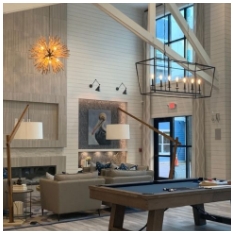
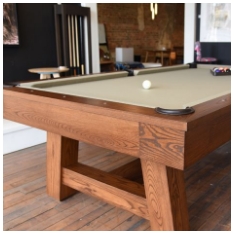
Home pool tables are designed for casual to intermediate play. They usually feature solid wood or engineered wood frames and are built to balance durability with affordability. These tables are commonly found in sizes ranging from 6 to 8 feet, making them suitable for most residential spaces.
Professional and Tournament Pool Tables
Professional pool tables are built for accuracy and consistency. They typically feature slate playing surfaces, precise rail systems, and tournament-grade cloth. These tables are heavier and require more space, making them ideal for dedicated game rooms rather than shared living areas.
Outdoor Pool Tables
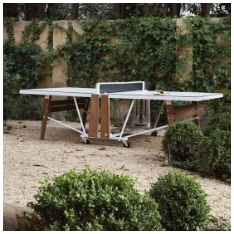
Outdoor pool tables are constructed using weather-resistant materials. Aluminum frames, synthetic cloth, and sealed surfaces allow them to withstand moisture, sunlight, and temperature changes. These tables are ideal for patios and covered outdoor entertainment areas.

Pool Table Sizes Explained
One of the most important factors covered in any Pool Tables Guide: Types, Sizes & Room Requirements is table size. Pool tables are measured by the length of the playing surface, not the outer frame.
Common Pool Table Sizes
- 6-Foot Pool Table: Best suited for smaller rooms or apartments. It offers casual gameplay and is often chosen for family use.
- 7-Foot Pool Table: Commonly known as a bar-size table, it is popular for home game rooms and recreational spaces.
- 8-Foot Pool Table: Considered the standard home pool table size, offering a balance between professional feel and space efficiency.
- 9-Foot Pool Table: Used in tournaments and professional settings, requiring larger rooms and precise installation.
Choosing the correct size ensures that players can enjoy proper cue movement without feeling restricted.
Room Requirements for Pool Tables
Room size is just as important as table size. Insufficient space can limit shot angles and reduce playing comfort.
Minimum Room Dimensions
A standard cue stick measures approximately 58 inches. To play comfortably, you need enough clearance on all sides of the table.
Here is a general guideline:
- 6-Foot Table: Minimum room size of 12 x 15 feet
- 7-Foot Table: Minimum room size of 13 x 16 feet
- 8-Foot Table: Minimum room size of 13.5 x 17 feet
- 9-Foot Table: Minimum room size of 14 x 18 feet
These dimensions allow full cue movement without obstruction from walls or furniture.
Ceiling Height and Lighting
Adequate ceiling height is essential, especially if overhead lighting is installed above the table. A minimum ceiling height of 8 feet is recommended. Lighting should be evenly distributed to avoid shadows and glare on the playing surface.
Choosing the Right Pool Table for Your Space
Selecting the right table involves balancing available space, playing preferences, and long-term use.
Measure Before You Buy
Always measure your room carefully, including doors, hallways, and staircases for delivery access. Accounting for cue clearance and furniture placement prevents costly mistakes.
Consider Player Skill Level
Casual players may prefer smaller tables that fit comfortably in shared spaces, while experienced players often opt for larger tables that replicate professional conditions.

Think About Room Functionality
If your game room doubles as a living or entertainment space, consider how the pool table will fit with seating, storage, and walking areas.
Maintenance and Longevity Considerations
Proper installation and placement extend the life of your pool table. Level flooring, controlled humidity, and regular cloth cleaning help maintain consistent play quality. Choosing the right table for your room reduces unnecessary wear caused by cramped or unsuitable environments.
Conclusion
This Pool Tables Guide: Types, Sizes & Room Requirements highlights the key factors every buyer should consider before making a purchase. Understanding table types, selecting the appropriate size, and planning sufficient room space ensures a better playing experience and long-term satisfaction.
By carefully evaluating your available space and intended use, you can choose a pool table that fits seamlessly into your home while providing years of enjoyable gameplay.