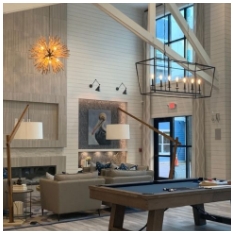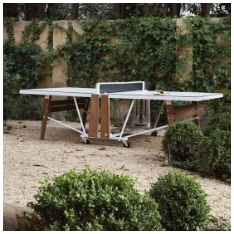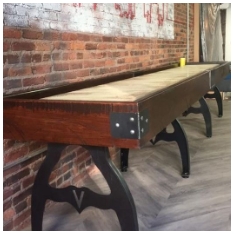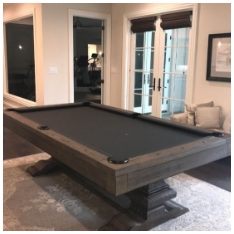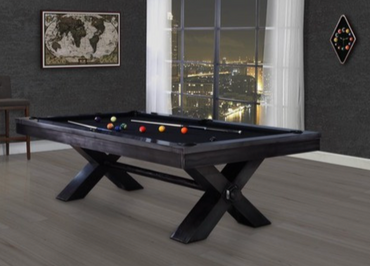
Pool tables are often the centrepiece of a game room, lounge, club, or entertainment space. While size, slate quality, cushion response, and cloth type are important, the table’s wood finish also plays a major role in how well it fits into the room. A pool table can look elegant, modern, rustic, or traditional depending on the stain used on its wooden frame, rails, legs, and cabinet.
Pool Table Colour-Matching Stains Explained is a useful topic for anyone planning to buy, restore, or customise a pool table. The right stain can help the table blend with existing furniture, flooring, wall colours, and overall interior style. A poor match, on the other hand, can make even a high-quality table look out of place.
What Are Pool Table Colour-Matching Stains?
Pool table color-matching stains are wood stains selected or mixed to match a specific design requirement. These stains are applied to the wooden parts of the pool table to achieve a desired colour, shade, or finish.
Unlike paint, wood stain usually allows the natural grain of the wood to remain visible. This gives the pool table a more refined and natural look. Stains can be light, medium, dark, warm, cool, matte, satin, or glossy depending on the finish chosen.
Common stain tones include oak, walnut, cherry, mahogany, espresso, grey, black, chestnut, and natural wood. Some table owners may also request custom stains to match cabinets, hardwood flooring, bar counters, doors, or other furniture in the room.
Why Color Matching Matters for Pool Tables
A pool table is a large piece of furniture. Because of its size, it naturally draws attention. If the stain colour does not suit the surroundings, the table may disturb the visual balance of the room.
Color matching helps create a connected look. For example, a walnut-stained table may pair well with dark wood flooring and leather seating. A lighter oak finish may suit a bright family room with neutral walls and simple furniture. A black or espresso finish can work well in a modern entertainment room with clean lines and minimal décor.
Beyond appearance, colour matching can also support resale value. A well-finished table that suits common interior styles may appeal to more buyers if the owner decides to sell it later.

Popular Pool Table Stain Colors
Natural Wood Stain
Natural wood stain is ideal for those who prefer a clean and classic look. It highlights the original grain and texture of the wood. This option works well in casual spaces, family rooms, and interiors with light or neutral colours.
Oak Stain
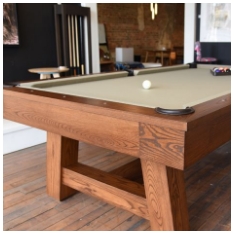
Oak stain is one of the most common options for traditional pool tables. It gives a warm, balanced appearance and pairs well with beige, cream, brown, and soft grey interiors. Oak finishes can be light or medium depending on the desired result.
Walnut Stain
Walnut offers a rich, deeper brown tone. It is suitable for formal rooms, home bars, and premium entertainment spaces. Walnut stains often create a strong furniture-like appearance without looking too dark.
Cherry Stain
Cherry stain has a reddish-brown shade that can add warmth to a room. It is often used in classic interiors with warm lighting, wooden cabinets, and traditional décor. However, it should be matched carefully because red undertones may not suit every room.
Espresso or Dark Brown Stain
Espresso stains give a bold and modern look. They work well in rooms with light walls, metal accents, or contemporary furniture. Dark stains can hide minor marks better than lighter finishes, but they may also show dust more clearly.
Grey Stain
Grey stains are popular in modern interiors. They pair well with white walls, black accents, and industrial-style décor. Grey can look stylish, but it should be tested first because the final shade depends heavily on the wood type.
How Pool Table Stain Matching Is Done
Color matching usually starts with a sample reference. This may be a piece of flooring, a cabinet door, a furniture sample, or a photo of the desired finish. Professionals then compare stain shades and test them on similar wood before applying the final finish to the pool table.
The type of wood affects the final colour. Maple, oak, pine, birch, and hardwood veneers can absorb stain differently. The same stain may look darker on one wood and lighter on another. This is why test samples are important before final approval.
Lighting also matters. A stain may appear warm under yellow lighting and cooler under natural daylight. For best results, stain samples should be viewed in the same room where the pool table will be placed.
Factors to Consider Before Choosing a Stain
Room Style
The stain should match the overall room style. Traditional rooms may suit cherry, oak, or walnut finishes. Modern rooms may look better with espresso, black, grey, or natural matte stains.
Flooring and Furniture
The pool table does not need to match every item exactly, but it should complement the main wood tones in the room. If the flooring is dark, a slightly lighter table may create contrast. If the room already has multiple wood colours, a neutral stain may be safer.
Cloth Color
Pool table cloth colour also affects the final look. Green, blue, red, grey, black, and tan cloth can all change how the wood stain appears. A dark wood frame with tournament blue cloth creates a different style than a light oak frame with green cloth.
Maintenance
Darker stains may hide some small marks but show dust and fingerprints. Lighter stains can make a room feel open but may show stains or wear over time. The finish type also matters. Satin and matte finishes usually look softer, while gloss finishes reflect more light.
Custom Stains vs Standard Stains
Standard stains are easier to select and often cost less. They are suitable for most buyers because they come in popular shades that work with common interiors.
Custom stains are better when the table must match a specific room element. For example, a homeowner may want the pool table to match built-in cabinets or luxury flooring. Custom matching may take more time and may require sample approvals, but it can create a more polished result.
Common Mistakes to Avoid
One common mistake is choosing a stain only from an online image. Screen colours are not always accurate. Another mistake is ignoring the room’s lighting. A finish that looks perfect in a showroom may appear different at home.
It is also important not to overmatch every wood element. A room can look flat if everything is exactly the same colour. A balanced contrast often looks better than a perfect match.
Final Thoughts
Pool table stains are not just about colour. They influence the style, balance, and long-term appeal of the entire room. By understanding wood tones, lighting, cloth colour, flooring, and furniture style, buyers can choose a finish that supports both appearance and function.
Pool Table Colour-Matching Stains Explained helps homeowners, interior designers, and pool table buyers make better decisions before purchasing or refinishing a table. Whether the goal is a classic walnut look, a modern grey finish, or a custom stain that matches existing furniture, careful planning can make the pool table feel like a natural part of the space.