Playing pool is a skill-based indoor game enjoyed worldwide, but for beginners, understanding the table setup and rules can feel confusing at first. This Pool Table Basics & Billiards Rules: Beginner’s Guide explains everything clearly, from table components to scoring rules so new players can start with confidence and accuracy.
Whether you are playing casually or planning to improve your technique, knowing the fundamentals is essential. This guide focuses on standard pool, commonly known as eight-ball, which is the most widely played billiards game.
Understanding the Pool Table
Before learning the rules, it is important to understand the structure of a pool table and its parts.
Standard Pool Table Size
A standard pool table measures:
- 7 feet (bar size)
- 8 feet (home use)
- 9 feet (professional tournaments)
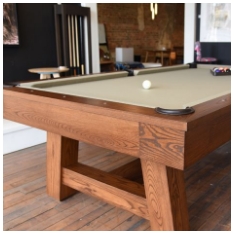
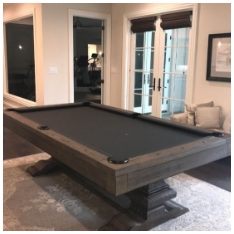
The table surface is covered with a smooth cloth, usually green or blue, designed to allow balls to roll evenly.
Key Parts of a Pool Table
- Pockets: Six pockets—four corner pockets and two side pockets
- Rails: Cushioned edges that allow balls to rebound
- Cloth: A tightly woven fabric that affects ball speed
- Spots: Markings for placing balls during breaks
Understanding these elements helps beginners visualize gameplay more clearly.

Basic Billiards Rules for Beginners
Learning the rules is the foundation of fair and enjoyable play. These are the standard rules used in eight-ball pool.
Objective of the Game
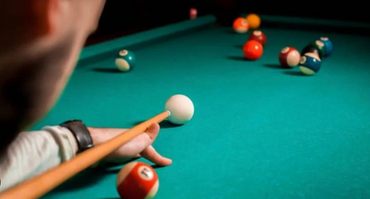
The main objective is to legally pocket all your assigned balls (solids or stripes) and then pocket the eight ball to win.
Breaking the Rack
- The game starts with a break shot
- Balls must be tightly racked in a triangle
- At least four balls must hit the rails, or a ball must be pocketed
If the eight ball is pocketed on the break, rules vary depending on house or tournament guidelines.
Assigning Solids and Stripes
After the break:
- The first legally pocketed ball determines the player’s group
- One player takes solids, the other takes stripes
If no balls are pocketed, the table remains open until a legal shot is made.
Legal and Illegal Shots
Legal Shots
- The cue ball must strike your group ball first
- A ball must be pocketed or hit a rail
Common Fouls
- Scratching (cue ball pocketed)
- Hitting the wrong ball first
- Pocketing the eight ball early
A foul usually results in ball-in-hand for the opponent, allowing them to place the cue ball anywhere on the table.
Winning the Game
To win:
- Pocket all balls from your group
- Call and pocket the eight ball legally
Pocketing the eight ball incorrectly—such as on a foul or before clearing your group—results in an immediate loss.
Basic Tips for Beginners
- Focus on accuracy rather than power
- Learn proper cue alignment and stance
- Practice controlled shots
- Understand angles and rebounds
Consistent practice improves confidence and reduces mistakes over time.
Why Learning Pool Basics Matters
Understanding the rules and equipment allows beginners to:
- Avoid common fouls
- Play fair games
- Improve faster
- Enjoy the game more
This Pool Table Basics & Billiards Rules: Beginner’s Guide helps new players build a strong foundation without confusion or misinformation.
Conclusion
Pool is a game of skill, focus, and understanding. By learning the table setup, equipment, and basic billiards rules, beginners can play with clarity and confidence. Whether you are playing at home, in a club, or casually with friends, mastering the basics ensures a better playing experience and steady improvement over time.