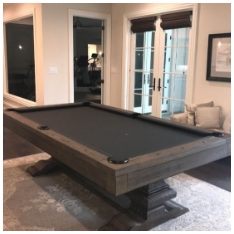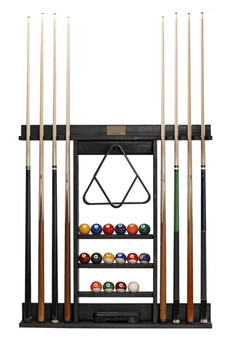
A pool cue rack keeps cues organised, protected and easy to access while improving the overall appearance of a game room. Without proper storage, cues may be left leaning against walls, placed on tables or stored in areas where they can fall, bend or become damaged.
Choosing a cue rack may seem straightforward, but factors such as capacity, available space, mounting method, material and additional storage features can affect how well it suits your room. This Pool Cue Rack Buying Guide — Sizes, Styles & Setup explains the main points to consider before selecting and installing a rack for a home, club or commercial billiards space.
Why a Pool Cue Rack Is Important
Pool cues should ideally be stored vertically in a stable position. Leaving cues against a wall can place unnecessary pressure on the shaft and increase the risk of warping over time. A suitable rack supports each cue securely and reduces accidental contact with furniture, walls and other equipment.
A cue rack also helps maintain an orderly playing area. Players can quickly identify and retrieve the cue they need instead of searching around the room. In shared spaces, dedicated storage makes it easier to keep house cues, personal cues and accessories in their correct places.
Choosing the Right Pool Cue Rack Size
Cue rack size is generally based on the number of cues it can hold. Small racks may accommodate four to six cues, while larger models can store eight, ten or more.
Small Racks for Compact Rooms
A four-cue or six-cue rack is often suitable for a home game room with limited wall or floor space. It provides enough storage for a standard set of playing cues without making the room feel crowded.
Compact racks are also practical when only one or two people use the pool table regularly. Before purchasing, check whether the rack includes extra spaces for bridge cues or shorter cues.
Medium and Large Cue Racks
An eight-cue rack works well for family game rooms and frequently used entertainment spaces. It offers additional capacity for guest cues and replacement equipment.
Larger racks are more appropriate for clubs, bars, recreational centres and tournament rooms. These locations may require separate storage for different cue types, including break cues, jump cues and house cues.
When deciding on capacity, consider both your current cue collection and any equipment you may purchase later. Selecting a rack with one or two extra positions can prevent the need for an early replacement.

Main Pool Cue Rack Styles
Pool cue racks are available in several configurations. The right style depends on available space, room layout and whether permanent installation is suitable.
Wall-Mounted Cue Racks
Wall-mounted racks are among the most common choices for home game rooms. They keep cues off the floor and use otherwise unused wall space.
Most designs include a lower section that supports the cue butt and an upper clip or opening that holds the shaft. Some models are made as a single unit, while others use separate upper and lower components.
A wall-mounted rack should be installed at the correct height so cues remain straight and do not touch the ceiling. It must also be fixed securely to wall studs or with suitable anchors.
Floor-Standing Cue Racks
Floor-standing racks do not require drilling and can be moved when the room layout changes. They are useful in rented properties or rooms where wall mounting is not possible.
These racks usually have a stable base with individual openings for each cue. Some resemble small cabinets and include shelves or drawers for billiards accessories.
The main consideration is floor space. A standing rack should be placed away from busy walkways where it could be knocked or create an obstruction.
Corner Cue Racks
Corner racks are designed to use compact areas that might otherwise remain empty. They can be either wall-mounted or floor-standing and are suitable for smaller game rooms.
Although they save space, access may be less convenient if furniture is placed nearby. Measure the corner carefully and confirm that cues can be removed without hitting the ceiling or adjacent walls.
Material and Finish Options
Wood is a popular cue rack material because it suits traditional pool tables and game-room furniture. Common finishes include black, walnut, oak, mahogany and natural wood tones.
Metal racks offer a more modern appearance and are often durable and easy to clean. They may be suitable for commercial locations or contemporary interiors.
Plastic or composite racks are generally lightweight and affordable. However, buyers should inspect the quality of the cue clips and mounting points, as these parts receive regular use.
The finish should complement the pool table, flooring and surrounding furniture. It should also be smooth enough to prevent scratches on cue shafts.
Useful Storage Features to Consider
Many cue racks provide more than basic cue storage. Depending on your equipment, useful features may include:
- Ball storage shelves
- Triangle and diamond rack holders
- Score counters
- Chalk compartments
- Brush hooks
- Cup holders
- Drawers for cue tips and repair tools
These additions can reduce clutter around the pool table. However, a larger accessory rack may require more wall or floor space, so dimensions should be checked before ordering.
Measuring the Installation Area
Measure the width, height and depth of the proposed rack location. Standard pool cues are usually about 57 to 59 inches long, so sufficient vertical clearance is essential.
For wall-mounted models, check for switches, sockets, pipes and nearby furniture. Leave enough space above the rack to lift cues out comfortably.
For floor-standing racks, ensure the base sits on a flat surface. Avoid placing it close to doors, table corners or areas where players take their shots.
Pool Cue Rack Setup Tips
Before installation, arrange the rack components and review the manufacturer’s instructions. Use a level to keep wall-mounted sections aligned. Incorrect spacing between the upper and lower supports may cause cues to lean.
Use mounting hardware suitable for the wall material. Screws placed directly into wall studs usually offer stronger support than basic drywall fixings.
After installation, place the cues in the rack and check that each one stands vertically without excessive pressure from the clips. The holders should secure the cues while still allowing easy removal.
Conclusion
A pool cue rack protects equipment, improves organisation and keeps the playing area clear. The best option depends on cue capacity, room dimensions, mounting preferences and accessory storage needs.
Measure the available area carefully, choose a rack with sufficient capacity and install it securely. A properly selected cue rack can help extend the life of your cues while creating a more functional and organised game room.