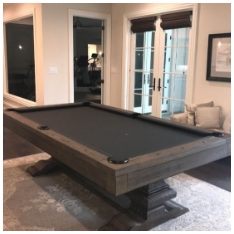
Buying a pool table is a long-term decision that requires more than selecting an attractive design. The right table should fit the available room, match the intended level of play, and provide reliable performance over time. Buyers also need to consider construction quality, playing-surface materials, installation requirements, maintenance, and budget.
This Modern Pool Table Buying Guide explains the most important factors to evaluate before purchasing a table for a home, office, club, recreational area, or commercial game room.
Determine How the Pool Table Will Be Used
The first step is to identify the primary purpose of the table. A pool table purchased for occasional family entertainment may not require the same construction standards as one used regularly in a club or training environment.
Home users generally prioritise appearance, space efficiency, and ease of maintenance. Serious players may focus more on slate quality, cushion response, cloth speed, and professional dimensions. Commercial users should look for tables designed to handle frequent play and regular wear.
Recreational Pool Tables
Recreational tables are suitable for casual use and smaller rooms. They may use engineered wood, composite playing surfaces, or lightweight frames. These models are usually easier to move and more affordable than professional tables.
However, lightweight construction may affect ball movement, table stability, and long-term durability. Buyers should check whether the table remains level during regular play.
Professional and Tournament-Style Tables
Professional-style tables typically use slate playing surfaces, strong frames, responsive cushions, and durable cloth. They are heavier and require professional installation, but they offer more accurate ball movement.
These tables are suitable for experienced players, clubs, and buyers who want consistent playing conditions.

Choose the Correct Pool Table Size
Pool tables are available in several standard sizes. Common options include 6-foot, 7-foot, 8-foot, and 9-foot models.
A 6-foot table works well in compact entertainment spaces. Seven-foot tables are commonly used in homes, pubs, and smaller game rooms. Eight-foot tables provide a balanced playing experience and are popular among home users. Nine-foot tables are generally preferred for professional practice and competitive play.
The table dimensions alone should not determine the purchase. Adequate cueing space is equally important.
Measure the Room Before Buying
Players need enough space around every side of the table to use a full-length cue comfortably. A standard cue is usually around 57 to 58 inches long. Therefore, the room should include sufficient clearance beyond the table dimensions.
For example, an 8-foot pool table may require a room measuring approximately 13 feet by 17 feet, depending on the cue length. Smaller cues can be used in restricted areas, but they may affect comfort and playing style.
Measure the room carefully before selecting a table. Consider walls, columns, furniture, doors, and other fixed structures that could interrupt cue movement.
Compare Slate and Non-Slate Playing Surfaces
The playing surface has a major effect on performance and price.
Slate is widely preferred because it offers a flat, stable, and durable surface. High-quality tables often use three-piece slate, which allows installers to level each section accurately. Some tables use single-piece slate, although these models can be difficult to transport.
Non-slate tables may use medium-density fibreboard, particleboard, or synthetic materials. They are lighter and usually cost less, but they may be more sensitive to moisture and changes in temperature.
For casual play, a non-slate table may be sufficient. For better consistency and long-term use, slate is generally the more dependable option.
Evaluate the Frame and Cabinet Construction
A strong frame supports the weight of the playing surface and helps the table remain level. Pool tables with slate beds require substantial structural support.
Look for solid wood, engineered hardwood, reinforced metal, or thick cabinet panels. Weak frames may bend or shift over time, especially when supporting heavy slate.
The legs should also be stable and correctly positioned. Adjustable leg levellers can be useful, particularly on uneven floors.
Check the Rails and Cushions
Rails influence rebound accuracy and overall gameplay. Quality rails should feel firm and remain securely attached to the table.
The cushions are normally made from rubber and installed along the inside edge of the rails. High-quality cushions provide consistent ball response. Poor cushions may create uneven rebounds or lose elasticity over time.
Before purchasing, ask about the cushion material, expected lifespan, and replacement options.
Select the Right Pool Table Cloth
Pool table cloth affects ball speed, control, durability, and appearance. Wool-blend cloth is common on home and recreational tables. Worsted cloth is often used for professional play because it provides a smoother and faster surface.
Choose the cloth based on how frequently the table will be used. Homes with children, pets, or frequent guests may benefit from a more durable fabric. Commercial locations should consider cloth designed for heavy usage.
Dark green and blue remain common choices, but modern tables are available in several colours. Avoid choosing a colour based only on appearance. Bright lighting and visible chalk marks should also be considered.
Consider Design and Room Compatibility
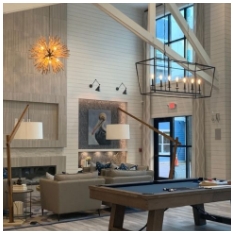
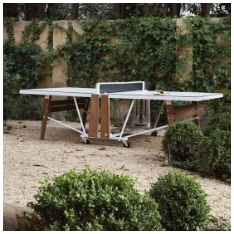
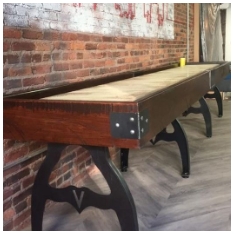
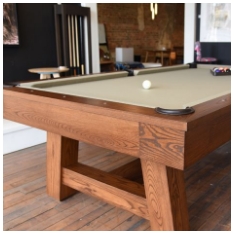
Modern pool tables are available in traditional, industrial, contemporary, and minimalist styles. The table should complement the surrounding furniture and interior design.
Some modern tables can also function as dining tables or workspaces when covered. Convertible models may be useful in homes with limited space, although buyers should verify that the conversion system does not affect stability or playing quality.
Consider the table finish, leg design, pocket style, rail colour, and overall cabinet shape before making the final choice.
Understand Installation and Delivery Requirements
Pool tables, especially slate models, should usually be installed by experienced professionals. Installation includes assembling the frame, positioning the slate, levelling the surface, sealing slate joints, stretching the cloth, and fitting the rails.
Incorrect installation may result in uneven ball movement and damage to the table.
Before ordering, confirm whether the quoted price includes delivery, assembly, levelling, and placement. Buyers should also check stairway access, door width, floor strength, and lift availability.
Plan the Budget and Additional Costs
The purchase price is only one part of the total cost. Additional expenses may include delivery, installation, lighting, cues, balls, racks, covers, chalk, brushes, and future cloth replacement.
Low-priced tables may be suitable for occasional use, but buyers should review construction quality carefully. A slightly higher initial cost may provide better durability and reduce maintenance needs.
Compare warranty coverage, replacement-part availability, and after-sales service before selecting a supplier.
Maintain the Pool Table Properly
Regular maintenance helps protect the playing surface and table structure. Brush the cloth gently to remove chalk and dust. Use a fitted cover when the table is not in use.
Avoid placing drinks, heavy objects, or direct heat sources on the table. Keep the room dry and maintain a stable temperature, particularly when using wooden or non-slate components.
Periodically check the table level, rail condition, pockets, cloth tension, and cushion response. Professional servicing may be required if the cloth becomes loose or the table shifts.
Conclusion
Choosing the right pool table involves reviewing size, room clearance, playing-surface material, frame strength, cloth, cushions, installation, and long-term maintenance. Buyers should base the decision on available space, frequency of use, skill level, and budget rather than appearance alone.
A carefully selected pool table can provide consistent play and remain a valuable part of a home or commercial recreation space for many years.