A pool table can be a practical entertainment feature and an attractive addition to a luxury home. Whether you are designing a dedicated billiards room, upgrading a recreation area, or creating a stylish entertainment space, choosing the right table requires careful planning. Size, construction, playing surface, design, and room dimensions all influence the final decision.
This Luxury Home Pool Table Buying & Measurement Guide explains the essential factors to consider before purchasing a pool table. By understanding your available space and comparing table specifications, you can select an option that complements your interior while providing a comfortable playing experience.
1. Choose the Right Pool Table Size
Pool tables are available in several standard sizes, and the right choice depends on how you intend to use the table and how much room you have available.
Common Pool Table Sizes
The most common options include:
- 7-foot pool tables: Suitable for smaller recreation rooms, apartments with dedicated game areas, and casual family entertainment.
- 8-foot pool tables: A versatile choice for many residential spaces, offering a balance between playing comfort and room requirements.
- 9-foot pool tables: Often preferred for more formal billiards rooms and players who want a larger playing surface.
The listed size generally refers to the approximate table length, rather than the complete outside dimensions. The actual measurements vary by manufacturer and design, so always check the product specifications before purchasing.
For luxury homes, an 8-foot or 9-foot table can create an impressive focal point, provided the room offers sufficient clearance.
2. Measure Your Room Before Buying
Room measurements are among the most important considerations when purchasing a pool table. A table may fit physically inside a room but still leave insufficient space for players to use their cues comfortably.
Allow Enough Space for Cue Movement
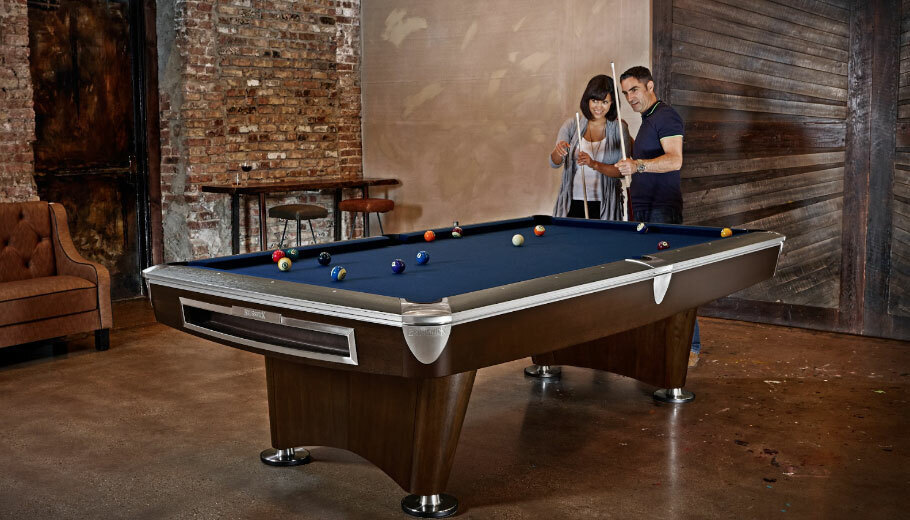
A standard pool cue is approximately 57 to 58 inches long. Ideally, the room should provide enough clearance around every side of the table to accommodate a full-length cue without hitting walls, furniture, doors, or decorative features.
A useful calculation is:
Required room length = Table length + twice the cue clearance
Required room width = Table width + twice the cue clearance
For example, an 8-foot table with a playing surface measuring approximately 44 by 88 inches may require a room around 13 feet 8 inches long and 11 feet wide when using a 58-inch cue and allowing approximately 4 inches of additional clearance.
These figures are illustrative. Confirm the actual playing surface dimensions, cue length, and manufacturer recommendations for your chosen table.
Check for Obstacles and Room Layout
Measure the room at several points and identify anything that could restrict play. Consider ceiling lights, pillars, radiators, built-in cabinets, door swings, and windowsills.
If the room has limited clearance in one area, a shorter cue can help with occasional difficult shots. However, selecting a table that fits comfortably is generally preferable to relying on shorter cues throughout the room.
3. Select High-Quality Construction Materials
A luxury pool table should provide dependable performance while matching the quality of the surrounding interior. Construction materials influence durability, stability, maintenance, and appearance.
Slate Playing Surfaces
Slate is widely used in quality pool tables because it provides a flat, stable playing surface. A properly installed and levelled slate bed supports consistent ball movement and reliable gameplay.
Slate tables are heavy, so check whether the floor can support the combined weight of the table and other furnishings. Professional installation is also recommended to ensure correct levelling.
Frame, Rails, and Cushions
The frame supports the playing surface, while the cushions influence how balls rebound from the rails. Look for solid construction, secure joints, quality cushion materials, and a reliable levelling system.
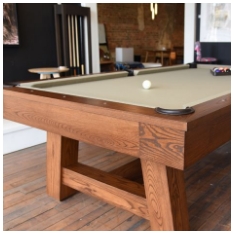
Hardwood finishes, carefully crafted legs, and durable rail materials can enhance the table's appearance. Compare construction details rather than judging quality by price or exterior finish alone.
4. Match the Table to Your Interior Design
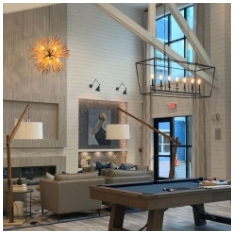
A pool table should complement the room's existing materials, colours, and architectural features. Luxury interiors can accommodate traditional, contemporary, minimalist, or custom-designed tables.
Traditional and Contemporary Styles
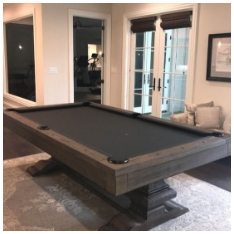
Traditional pool tables often feature detailed wooden legs, rich timber finishes, and classic cloth colours. They work well in libraries, formal game rooms, and interiors with wood panelling.
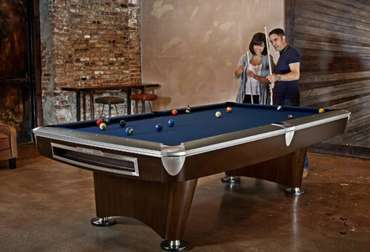
Contemporary designs may use clean lines, understated metal details, or lighter finishes. These options can suit modern homes with open layouts, neutral palettes, and minimalist furniture.
Choose a finish that coordinates with flooring, cabinetry, lighting, and other furnishings. The table should feel integrated into the room rather than competing with its design.
5. Consider Installation and Delivery Requirements
Before placing an order, confirm the table's delivery dimensions and installation process. Large slate components, table frames, and accessories may require specialist handling.
Measure hallways, staircases, lifts, doorways, and entrance routes to ensure the table can reach the intended room. If the property has narrow access points or multiple floors, discuss delivery arrangements with the supplier in advance.
Professional installers can assemble the table, level the playing surface, fit the cloth, and check the cushions. Confirm whether these services are included in the purchase price.
6. Budget for Accessories and Maintenance
The total cost of a pool table extends beyond the table itself. Include essential accessories and ongoing maintenance when planning your budget.
Useful accessories include cues, a ball set, a triangle rack, a brush, chalk, and a suitable cover. Depending on the room, you may also need a cue rack, seating, storage, and dedicated lighting.
Routine care helps protect the investment. Brush the cloth with an appropriate table brush, clean the balls when needed, and use a cover to reduce dust accumulation. Avoid placing drinks directly on the rails or playing surface.
Conclusion
Buying a pool table for a luxury home involves more than selecting an attractive design. The right choice must balance table size, room clearance, construction quality, interior style, installation requirements, and long-term maintenance.
Use this Luxury Home Pool Table Buying & Measurement Guide to measure your room accurately, compare table specifications, and plan for comfortable gameplay. With careful preparation, you can choose a pool table that enhances your home's entertainment space while delivering lasting enjoyment for family and guests.