Choosing a ping pong table involves more than finding a model that fits your budget. The location where you plan to use the table can influence its playing surface, durability, maintenance needs, storage requirements, and overall performance.
Indoor tables are designed for controlled environments, while outdoor tables are built to handle changing temperatures, humidity, sunlight, and occasional moisture. Although both options follow similar dimensions and game rules, their construction and intended use are different.
What Is an Indoor Ping Pong Table?
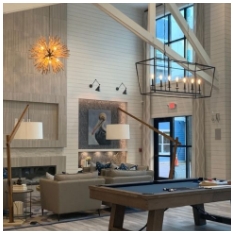
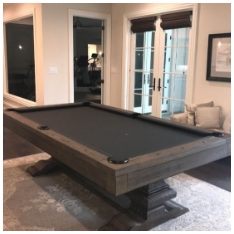
An indoor ping pong table is designed for use in dry, temperature-controlled spaces such as game rooms, garages, sports halls, offices, and basements.
Most indoor tables use a medium-density fibreboard or engineered wood playing surface. This material can provide a consistent bounce when it remains protected from moisture and extreme temperature changes.
Indoor models are often selected by players who prioritise ball response, surface consistency, and competitive-style practice. However, they should not be stored outdoors because rain, humidity, and direct sunlight can damage the tabletop.
Main Features of Indoor Tables
Indoor ping pong tables commonly include:
- A wood-based playing surface
- A steel frame and undercarriage
- Folding sections for storage
- Adjustable legs for levelling
- Transport wheels
- Playback mode on selected models
The thickness of the tabletop can affect playing quality. Thicker surfaces usually provide a more consistent bounce, while thinner tables may be lighter and easier to move.

What Is an Outdoor Ping Pong Table?
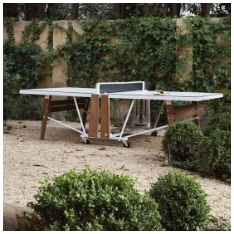
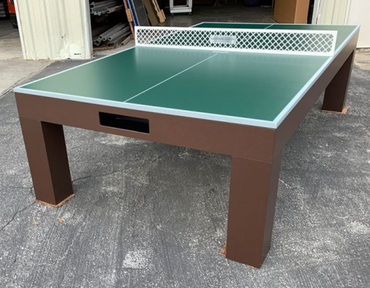
An outdoor ping pong table is manufactured using weather-resistant materials that can tolerate exposure to changing environmental conditions.
The playing surface may be made from aluminium composite, melamine resin, fibreglass, or another moisture-resistant material. Outdoor models also tend to have coated or galvanised frames to reduce the risk of rust and corrosion.
These tables are suitable for patios, gardens, terraces, pool areas, parks, schools, and other open or semi-covered spaces.
Main Features of Outdoor Tables
Outdoor models often include:
- A water-resistant playing surface
- UV-resistant coatings
- Rust-resistant frames
- Stronger wheels and locking systems
- Weather-resistant net components
- Reinforced legs for outdoor surfaces
Although outdoor tables are built to handle weather exposure, using a protective cover can extend their usable life and reduce cleaning requirements.
Indoor vs Outdoor Ping Pong Tables: Which Is Right for You?
The answer depends on where the table will be placed, how frequently it will be used, and what type of playing experience you expect.
An indoor table may be more suitable when performance and bounce consistency are your main priorities. An outdoor table may be the practical choice when the table will be placed in a garden, patio, open garage, or area exposed to humidity.
Understanding the differences between the two types can prevent surface damage and help you make a more suitable long-term purchase.
Playing Surface and Ball Bounce
Indoor tables generally provide a more predictable ball bounce because their wood-based surfaces are designed for controlled conditions. This makes them suitable for structured practice, club use, and competitive recreational play.
Outdoor tables may produce a slightly different bounce depending on the surface material and thickness. High-quality outdoor models can still provide reliable performance, but they may not always match the response of a competition-grade indoor table.
For casual family games, the difference may be minor. More experienced players may notice variations in speed, spin, and bounce height.
Weather Resistance and Durability
Weather resistance is one of the most important differences between indoor and outdoor ping pong tables.
Indoor tabletops can absorb moisture, causing swelling, warping, peeling, or uneven areas. Even storing an indoor table in a damp garage may eventually affect its surface.
Outdoor tables are designed to resist these conditions. However, weather-resistant does not mean maintenance-free. Regular cleaning, proper storage, and protective covers are still recommended.
Sunlight and Temperature Exposure
Direct sunlight can fade painted surfaces and weaken some materials over time. Outdoor tables often include UV protection, while indoor models generally do not.
Repeated temperature changes can also affect tabletop materials and metal components. When possible, place an outdoor table in a shaded or covered area.
Space and Storage Requirements
Before purchasing a table, measure both the table area and the surrounding playing space.
A full-size ping pong table measures approximately 2.74 metres long and 1.525 metres wide. Players also need sufficient room at both ends and sides to move comfortably.
Indoor buyers should consider ceiling height, furniture placement, doorways, and storage access. Outdoor buyers should check whether the surface is level and whether the table can be secured during strong wind or severe weather.
Foldable tables can save space when not in use. Models with locking wheels are also easier to move between storage and playing areas.
Maintenance Differences
Indoor tables usually require simple maintenance. The surface should be wiped with a soft, dry or slightly damp cloth, while the frame and wheels should be checked periodically.
Outdoor tables may need more frequent cleaning because of dust, leaves, pollen, moisture, and bird droppings. The frame, hinges, brakes, and wheels should also be inspected for corrosion or wear.
Avoid using abrasive cleaners on either type of table, as they may damage the finish and affect ball bounce.
Cost Considerations
Indoor tables are available across a broad price range, from entry-level recreational models to competition-standard tables.
Outdoor models may cost more because they use weather-resistant surfaces, protective coatings, and reinforced frames. However, buying a cheaper indoor model for outdoor use may lead to early damage and replacement costs.
When comparing prices, consider construction quality, warranty coverage, tabletop thickness, folding mechanisms, replacement parts, and expected frequency of use.
Conclusion
Indoor and outdoor ping pong tables serve different purposes. Indoor tables generally provide a more consistent playing surface and are suitable for dry, controlled environments. Outdoor tables offer better resistance to moisture, sunlight, temperature changes, and regular exposure to open-air conditions.
Choose an indoor table for a dedicated game room, sports hall, office, or dry garage. Select an outdoor table for a patio, garden, terrace, poolside area, or any location where environmental exposure is likely.
The right choice should balance playing quality, available space, weather conditions, maintenance needs, storage options, and budget. Selecting a table designed for its intended environment can improve performance and extend its usable life.