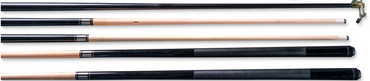
A cue is one of the most important pieces of equipment for any pool, snooker, or billiards player. Whether you play casually or practice regularly, the condition of your cue can affect your grip, aim, shot control, and overall comfort during the game. Many players focus only on technique but ignore cue maintenance. Over time, this can lead to warping, dirt buildup, poor tip condition, and reduced accuracy.
Understanding How to take care of cue helps you keep it in better shape for longer. Proper cue care does not require complicated tools or expensive products. It mainly involves regular cleaning, correct storage, careful handling, and timely inspection.
Why Cue Care Is Important
A cue may look simple, but it needs consistent care because it is usually made from wood or wood-based materials. Wood can react to temperature, moisture, pressure, and rough handling. Even a small bend or damaged tip can affect shot quality.
Good cue care helps maintain:
- Smooth cue movement
- Better grip and control
- Proper tip contact with the cue ball
- Longer cue life
- Consistent playing performance
If the cue is not maintained properly, the shaft can become sticky, the tip can flatten, and the cue may lose its straightness. These problems can make your shots less accurate and less comfortable.
How to Clean Your Cue Properly
Regular cleaning is one of the easiest ways to maintain your cue. During play, sweat, chalk dust, oil, and dirt collect on the shaft. If not cleaned, the surface may feel rough or sticky.
Clean the Shaft After Use
After every session, wipe the shaft with a soft, dry cloth. This removes dust and moisture before they settle into the wood. Avoid using a wet cloth because too much moisture can damage the cue surface.
If the shaft feels sticky, use a slightly damp cloth and then dry it immediately with another clean cloth. Do not soak the cue or apply water directly to the shaft.
Avoid Harsh Cleaning Products
Strong chemicals, alcohol-based cleaners, and rough scrubbers should be avoided. These can damage the cue finish and reduce the smoothness of the shaft. Use cue-safe cleaning products only when needed.

Store the Cue in the Right Way
Storage plays a major role in cue protection. Many cues get damaged not during play, but while being stored carelessly.
Use a Cue Case
A cue case protects the cue from dust, pressure, scratches, and sudden impact. If you carry your cue to clubs or tournaments, a proper case is necessary. A hard case offers better protection than a soft cover.
Keep It Away from Heat and Moisture
Do not leave your cue inside a car, near a window, or close to direct sunlight. Heat can expand the wood and cause warping. Moisture can also affect the cue’s shape and finish.
Store the cue in a cool, dry place. Avoid keeping it in damp rooms, near bathrooms, or against walls where humidity may be high.
Do Not Lean It Against a Wall
Leaning the cue against a wall for long periods can put uneven pressure on the shaft. Over time, this may cause bending. If you do not have a case, keep the cue flat on a safe surface or use a cue rack.
Take Care of the Cue Tip
The cue tip is the part that directly touches the cue ball. A damaged or poorly shaped tip can affect spin, control, and shot accuracy.
Check the Tip Shape
The tip should have a rounded shape, not too flat and not too sharp. A flat tip may reduce cue ball control, while an uneven tip may cause mis-hits. Use a cue tip shaper when needed, but do not over-shape it.
Apply Chalk Correctly
Chalk helps improve grip between the tip and the cue ball. Apply chalk gently and evenly. Do not grind the chalk into the tip with too much force, as this can wear the tip faster.
Replace the Tip When Needed
If the tip becomes too thin, hard, cracked, or loose, it should be replaced. Playing with a damaged tip can affect both performance and cue control.
Handle the Cue Carefully
Careful handling can prevent many common cue problems. Do not drop the cue, hit it against the table, or use it for anything other than playing.
Avoid Excess Pressure
Do not press the cue hard against the floor or table. Avoid using the cue to reach, push balls, or lean your body weight on it. This can damage the shaft or joint.
Keep Hands Clean
Before playing, make sure your hands are clean and dry. Sweat and oil can transfer to the cue shaft, making it sticky over time. Some players use a glove to reduce friction and protect the shaft surface.
Maintain the Cue Joint
If your cue is a two-piece cue, the joint should also be maintained. Dust or dirt in the joint can affect how firmly the cue connects.
Keep the Joint Clean
Wipe the joint area gently with a clean cloth. Do not apply oil or liquid unless recommended by the cue manufacturer. When joining the cue, screw it together carefully without forcing it.
Do Not Overtighten
Tighten the cue firmly, but do not overtighten it. Too much force can damage the threads or make the joint difficult to open later.
Check for Warping
A warped cue can affect aim and shot accuracy. To check if your cue is straight, roll it gently on a flat table. If it rolls unevenly or lifts in some areas, it may be warped.
Minor movement may not always be a serious issue, but visible bending can affect your game. Proper storage is the best way to prevent warping.
Common Mistakes to Avoid
Many cue care issues happen because of simple mistakes. Avoid these habits:
- Leaving the cue in direct sunlight
- Storing it in a hot car
- Cleaning with harsh chemicals
- Playing with a damaged tip
- Leaning the cue against a wall
- Dropping or hitting the cue
- Using too much water while cleaning
Small mistakes repeated over time can reduce the cue’s life and performance.
Conclusion
Taking care of your cue is an important part of improving and maintaining your game. A clean shaft, well-shaped tip, proper storage, and careful handling can make a noticeable difference in how the cue feels and performs.
Learning how to take care of a cue is not difficult. With simple habits after every playing session, you can protect your cue from damage, maintain better control, and enjoy a smoother playing experience. Whether you are a beginner or a regular player, proper cue maintenance helps you get better value from your equipment and keeps your game consistent.