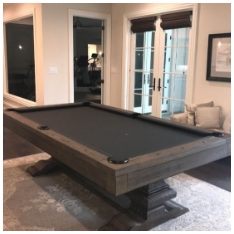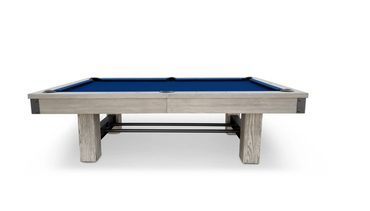
Setting up a snooker room involves more than choosing a table and placing it in an available space. The size and construction of the table, quality of the cloth, cue specifications, balls, lighting, and other accessories can all affect how comfortably and consistently the game is played.
Understanding how to select the perfect snooker table, cloth and accessories for you can help you create a practical playing environment based on your available space, playing frequency and experience level. Careful planning can also reduce the likelihood of purchasing equipment that does not fit the room or meet your playing requirements.
Start by Choosing the Right Snooker Table
The snooker table is the central part of the setup, so its dimensions and construction should be considered carefully.
Full-size competition tables are considerably larger than tables designed for home use. Before choosing one, determine how much space you can dedicate to both the table and players moving around it.
Measure Your Available Room Space
Do not measure only the area where the table will stand. Players require enough clearance around every side to use a cue comfortably.
Measure the length and width of the room and consider the cue length when calculating the necessary clearance. Walls, columns, furniture and other obstacles can restrict cue movement even when the table itself fits comfortably.
For smaller rooms, a reduced-size snooker table may provide a more practical playing experience than fitting a large table into a restricted area.
Examine the Table Construction
Construction influences the stability, level and long-term condition of a snooker table.
Pay attention to the frame, legs, playing surface, cushions and pockets. A strong frame helps support the playing surface and maintain its level over time.
Slate playing surfaces are commonly associated with traditional snooker tables because they provide a flat and consistent base. However, slate also adds considerable weight, so flooring and installation requirements should be assessed beforehand.
Select a Suitable Snooker Cloth
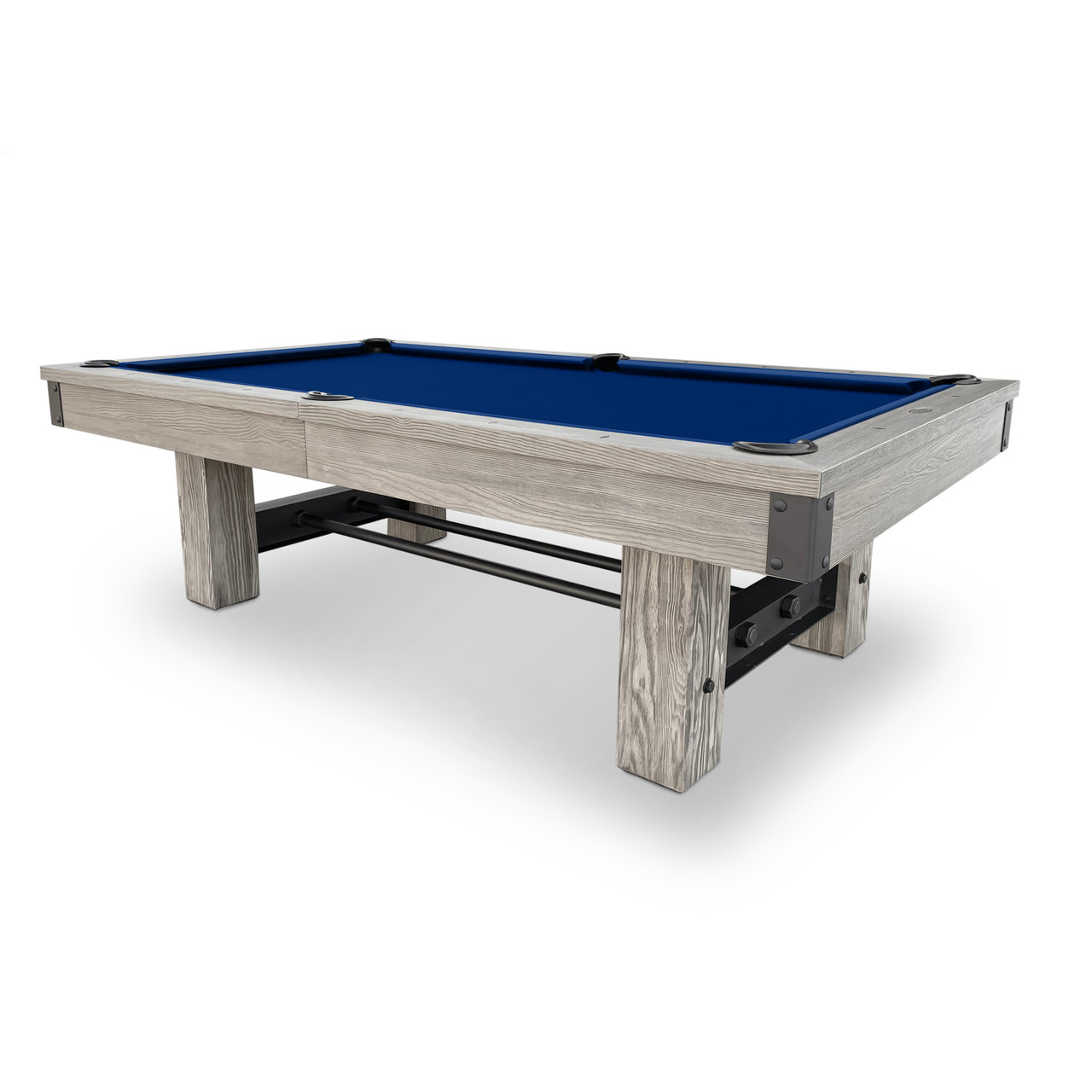
The cloth directly affects how the balls move across the table. Its material, condition and installation can influence speed and consistency.
Snooker cloth is typically designed to provide a controlled playing surface with a directional nap. Different cloth specifications can produce different playing characteristics, so consider how you intend to use the table before choosing.
Consider Cloth Quality and Playing Frequency
A table used regularly may require a cloth designed to tolerate frequent play while maintaining a consistent surface.
For occasional home use, durability and ease of maintenance may be more important than competition-level specifications. Clubs and dedicated snooker rooms may place greater emphasis on consistency and playing speed.
Whatever option you choose, check the manufacturer's care and installation recommendations before fitting the cloth.
Choose the Cloth Colour Carefully
Green remains closely associated with snooker, but cloth is available in several colours.
Colour selection can depend on personal preference and room design, but visibility should remain a priority. Players need to distinguish the balls clearly against the playing surface.
Room lighting can also affect how a cloth colour appears, so examine samples under the lighting conditions that will be used around the table.
Find a Cue That Suits Your Playing Style
A cue should feel comfortable and controlled in your hands.
Factors such as length, weight, balance and tip size can affect how a cue feels during a shot. Rather than selecting a cue based only on appearance, consider whether its dimensions suit your height, stance and playing technique.
Check the Cue Tip and Shaft
The tip is the point of contact between the cue and cue ball. Its size, shape and condition can influence cue-ball control.
The shaft should also be straight and smooth. Inspect a cue carefully before use and maintain the tip regularly to keep it in suitable playing condition.
Beginners do not necessarily need highly specialised equipment. A well-constructed cue that feels comfortable can be sufficient while developing technique.
Select a Consistent Set of Snooker Balls
A complete, well-maintained ball set is another important part of the setup.
Balls should have consistent dimensions and weight so that they behave predictably during play. Worn, chipped or damaged balls may roll differently or affect contact between balls.
Clean the balls periodically using appropriate products, as dirt and residue can affect both their appearance and movement.
Plan the Lighting Above the Table
Good lighting helps players see the table, balls and shot angles clearly.
The light source should illuminate the entire playing surface as evenly as possible without creating distracting shadows or glare. Its position should also avoid interfering with players as they move or lean over the table.
Consider the Surrounding Room Lighting
Lighting outside the immediate table area also matters. A very bright table in an otherwise dark room can create uncomfortable contrast.
Balanced ambient lighting can make the space more comfortable while keeping attention on the playing surface.
Choose Practical Snooker Accessories
Several smaller accessories can make the table easier to use and maintain.
A basic setup may include cue chalk, a triangle, cue rests, extensions, a scoreboard and suitable cleaning equipment. A cue rack provides a designated place for cues and can help prevent accidental damage.
A table cover is also useful when the table is not being used. It can help reduce the amount of dust and debris reaching the cloth.
Think About Maintenance Before Purchasing
Regular maintenance helps keep a snooker table and its accessories in suitable condition.
The cloth should be cleaned according to its care instructions, while the table should be checked periodically to ensure it remains level. Cue tips, balls, pockets and cushions may also require inspection depending on how frequently the table is used.
Avoid placing drinks, food or unnecessary objects on the playing surface, as spills and damage can be difficult to correct.
Final Thoughts
Knowing How to Select the Perfect Snooker Table, Cloth and Accessories for You begins with assessing your available space and how often you expect to play. Table dimensions and construction provide the foundation, while cloth, cues, balls and lighting influence everyday playing conditions.
Measure the room carefully, compare equipment specifications and consider maintenance requirements before making your selections. A coordinated setup based on practical needs can provide a comfortable environment for both casual games and regular snooker practice.