A table tennis table can be a practical addition to a home, offering a convenient way to play, practise, and spend time with family or friends. However, selecting a suitable table requires more than simply finding one that fits your budget. Size, tabletop quality, frame construction, storage options, and available playing space can all influence your experience.
If you are wondering how to select the best TT table for home, start by considering where you will place the table and how frequently it will be used. Comparing the main features before making a decision can help you choose a table that suits your available space and playing requirements.
Measure the Available Space
Before comparing TT tables, measure the room where you plan to install one. The dimensions of the table itself are only part of the space requirement. Players also need enough room around each end and side to move comfortably.
A full-size table tennis table measures approximately 2.74 metres long, 1.525 metres wide, and 76 centimetres high. You should account for additional clearance around these dimensions.
Consider Playing Space Around the Table
Avoid positioning a table too close to walls, furniture, or other objects. Limited clearance can restrict movement and make normal shots difficult.
If you have a compact room, consider whether furniture can be moved when the table is in use. A foldable or compact model may be more appropriate when the room serves multiple purposes.
Decide Between Full-Size and Compact Tables
A full-size table is generally suitable for players who want a playing experience based on standard table tennis dimensions. It can also be useful for regular practice.
Compact tables take up less space and may suit apartments, smaller rooms, or casual family use. However, the reduced playing surface can change how the game feels.
Your choice should therefore depend on both available space and intended use rather than size alone.
Check the Tabletop Thickness
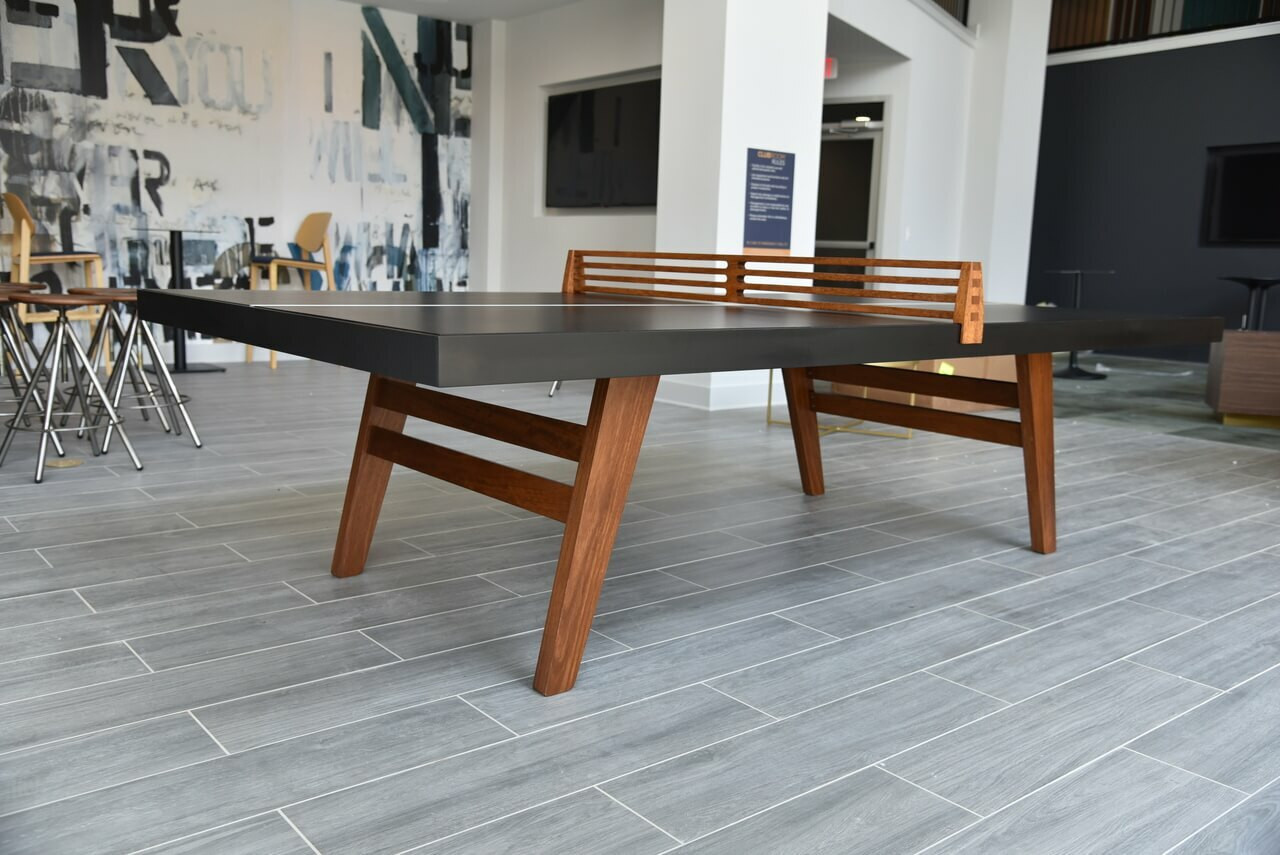
Tabletop thickness can influence ball bounce and consistency. In general, thicker playing surfaces tend to provide a more even response across different areas of the table.
For casual home games, a moderately thick tabletop may be sufficient. Players who practise regularly may prefer a thicker surface for a more consistent playing experience.
Inspect the Surface Quality
Along with thickness, examine the finish of the playing surface. It should be smooth, level, and free from visible irregularities.
A consistent surface helps the ball respond more predictably. The finish should also minimise unwanted glare from overhead lights, particularly if the table is installed in a brightly lit room.
Look at the Frame and Leg Construction
The supporting structure plays an important role in keeping the table stable during use. Check the frame, legs, joints, and locking mechanisms before selecting a model.
A table that moves or shakes during play can affect both comfort and ball movement. Wider or reinforced legs may provide additional stability, particularly for larger tables.
Check Adjustable Levelling Features
Home floors are not always completely level. Adjustable feet can help compensate for small differences in floor height and keep the playing surface horizontal.
This feature can be particularly useful when placing the table in garages, recreation rooms, basements, or other spaces where the flooring may be slightly uneven.
Consider a Foldable TT Table
Storage is an important consideration when determining How to Select the Best TT Table for Home? A permanent setup may not be practical if the same room is also used for other activities.
Foldable tables allow one or both sections to be raised when the table is not required. This can reduce the amount of floor space occupied during storage.
Before choosing a folding model, check whether its mechanism is simple to operate and includes secure locking features.
Check the Wheels and Mobility
If you expect to move the table regularly, pay attention to the wheel design.
Larger wheels can make movement easier across some flooring surfaces. Lockable wheels are particularly useful because they allow the table to remain stationary during play.
Also consider whether one person can safely fold and move the table or whether two people are required.
Indoor vs Outdoor TT Tables
Where you plan to use the table affects the type of construction you should consider.
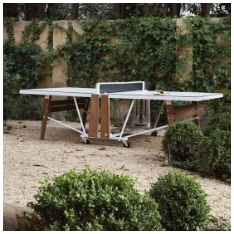
Indoor tables are designed for controlled environments and should generally be protected from moisture and significant temperature changes. Outdoor tables use materials and finishes intended to handle changing environmental conditions more effectively.
Avoid Using Indoor Tables Outside
Even if an indoor table is used outside only occasionally, exposure to moisture or direct sunlight may affect the playing surface over time.
If the table will regularly be placed on a patio, terrace, or other exposed area, an outdoor-specific model may be more appropriate.
Consider Storage for Accessories
Table tennis requires more than the table itself. Bats, balls, nets, and other accessories also need convenient storage.
Some tables include built-in holders for balls and bats. While these features are not essential, they can help keep the playing area organised.
Also check whether the net can remain attached when the table is folded or needs to be removed after every session.
Think About Who Will Use the Table
Consider the experience level and age of the people who will use the table most often.
A household using the table primarily for occasional recreational games may prioritise simple folding, easy storage, and mobility. Players practising regularly may place greater importance on tabletop thickness, stability, and consistent bounce.
Understanding the main purpose can prevent you from paying for features you are unlikely to use.
Final Thoughts
Learning How to Select the Best TT Table for Home? involves balancing available space, playing requirements, construction quality, storage, and convenience. Start by measuring the room and deciding whether a full-size or compact table is appropriate. Then compare tabletop thickness, frame stability, folding mechanisms, wheels, levelling features, and indoor or outdoor suitability.
A carefully selected TT table should fit comfortably into your home while providing enough space for enjoyable play. Evaluating practical features before making a choice can help you find a table that works well for both your room and the people who will use it.