Learning pool can feel confusing at first, especially when you are new to cue sports. The table, balls, cue stick, angles, and rules may look simple from the outside, but a good game requires basic understanding and regular practice. This guide explains the fundamentals in a clear way so that beginners can start playing with confidence.
Many new players search for How to Play Pool: A Completely Beginner’s Guide | Snooker Basics (Step-by-Step & Easy to Learn) because they want simple instructions without complicated terms. Whether you are playing casually with friends or trying to understand snooker basics, the first step is to learn how the game works.
What Is Pool?
Pool is a cue sport played on a rectangular table with pockets. Players use a cue stick to strike the white cue ball, which then hits other balls on the table. The aim is to pot the required balls into the pockets according to the rules of the game.
Pool is often compared with snooker and billiards. While all three use cues and balls, the rules, table size, and number of balls are different. Pool is usually easier for beginners because the table is smaller and the rules are simpler.
Basic Pool Equipment You Need
Before learning how to play, it is important to understand the equipment used in the game.
Pool Table
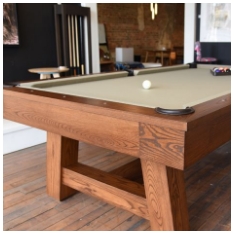
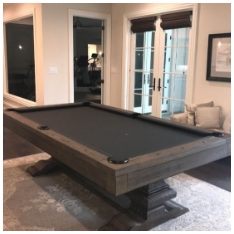
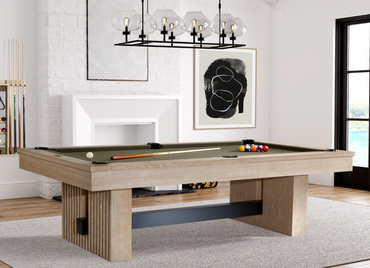
A pool table has six pockets: one at each corner and one in the middle of each long side. The surface is covered with cloth, which allows the balls to roll smoothly.
Cue Stick
The cue stick is used to hit the white cue ball. Beginners should choose a cue that feels comfortable, balanced, and not too heavy.
Pool Balls
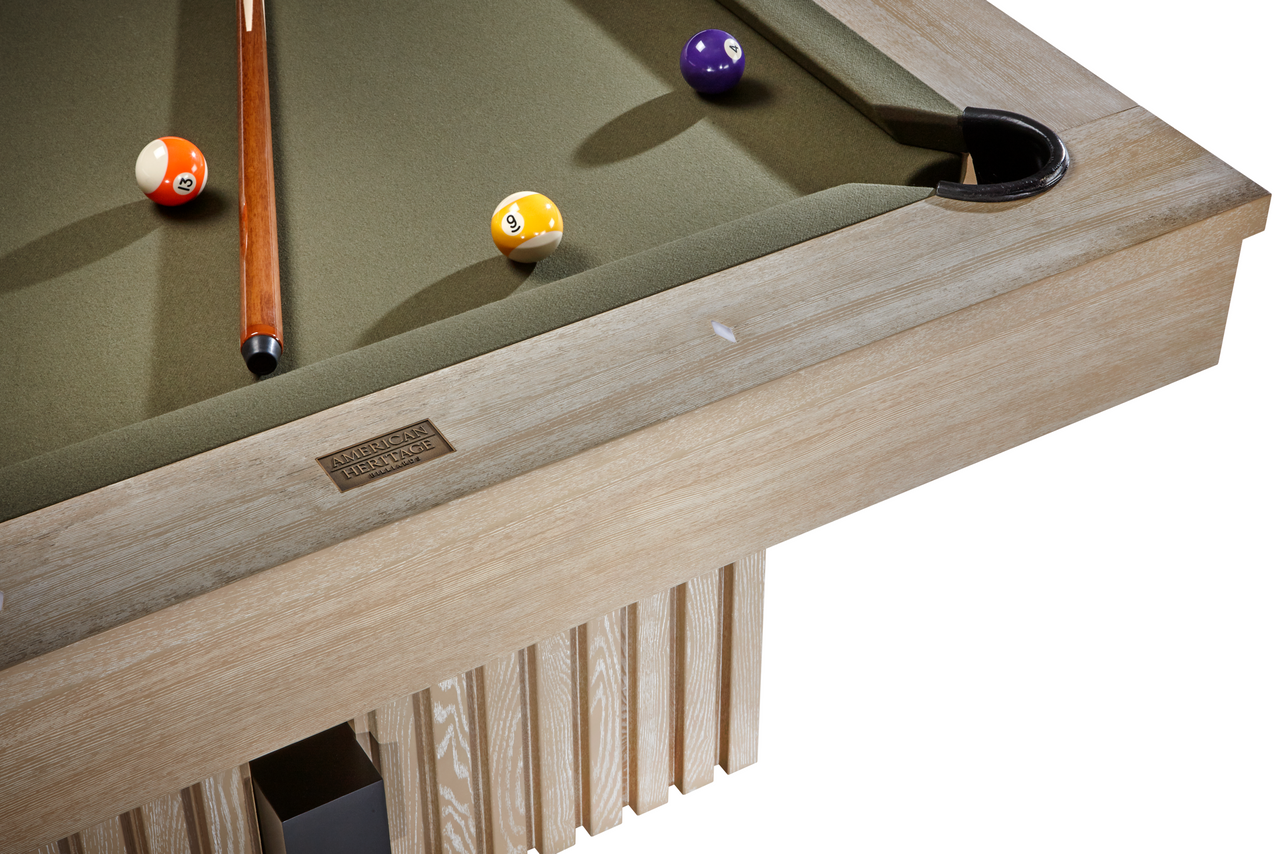
Most pool games use 16 balls: one white cue ball and 15 object balls. The object balls are divided into solids, stripes, and the black 8-ball in the popular 8-ball pool format.
Chalk
Chalk is applied to the tip of the cue stick. It helps create better contact with the cue ball and reduces slipping during a shot.

How to Hold the Cue Properly
A correct grip is one of the most important basics in pool. Hold the cue with your back hand in a relaxed way. Do not grip it too tightly. A tight grip can affect your shot direction and control.
Your front hand should form a bridge on the table. The cue should slide smoothly through this bridge. Keep your body steady and your eyes focused on the line of the shot.
How to Aim in Pool
Aiming is where many beginners struggle. The basic idea is to understand where the cue ball should hit the object ball. You need to imagine the path of the object ball toward the pocket.
Start by standing behind the shot and looking at the line between the object ball and the pocket. Then position your cue so the cue ball travels along the correct path. Take your time before hitting. Rushing often leads to missed shots.
Step-by-Step Guide to Playing Pool
Step 1: Rack the Balls
In 8-ball pool, the 15 object balls are arranged in a triangle rack. The 8-ball is usually placed in the center. The other balls are placed around it, with a mix of solids and stripes.
Step 2: Break the Rack
The first shot is called the break. The player hits the cue ball from behind the head string to scatter the racked balls. A strong and controlled break gives you a better chance of potting a ball.
Step 3: Choose Solids or Stripes
In 8-ball pool, once a player legally pots a solid or stripe ball after the break, that group becomes their target balls. One player aims for solids, while the other aims for stripes.
Step 4: Pot Your Group Balls
Each player tries to pot all balls from their assigned group. The cue ball must hit the correct group first. If you hit the wrong ball first or pot the cue ball, it may be considered a foul.
Step 5: Pot the 8-Ball
After potting all your group balls, your final target is the black 8-ball. You must pot it legally to win the game. Potting the 8-ball too early usually results in losing the game.
Basic Rules Beginners Should Know
Understanding simple rules helps you avoid common mistakes.
First, the cue ball should not be potted. If it goes into a pocket, it is usually a foul. Second, you must hit your assigned ball group first. Third, when aiming for the 8-ball, you should be careful because an illegal shot can cost you the game.
Rules may vary slightly depending on where you play, so it is always better to confirm the rules before starting.
Common Beginner Mistakes
Many beginners hit the cue ball too hard. Power is useful, but control is more important. A soft and accurate shot is often better than a hard shot with poor direction.
Another common mistake is standing in the wrong position. Your body should be aligned with the shot. If your stance is unstable, your cue movement will also be unstable.
Beginners also forget to plan the next shot. Pool is not only about potting one ball. You should also think about where the cue ball will stop after the shot.
Simple Tips to Improve Your Pool Game
Practice straight shots first. They help you understand cue movement, aiming, and ball speed. Once you are comfortable, try angled shots.
Use chalk before important shots. It improves grip between the cue tip and cue ball. Also, keep your head still while taking the shot. Moving your head can change the direction of your cue.
Focus on cue ball control. Try to understand how much force is needed for different shots. Over time, you will learn how to place the cue ball in a better position for your next move.
Pool vs Snooker: What Beginners Should Know
Pool and snooker look similar, but they are not the same. Snooker is usually played on a larger table with smaller pockets and more balls. It requires more precision and patience.
Pool is often easier for beginners because the table is smaller and the gameplay is faster. Once you understand pool basics, learning snooker becomes easier.
Conclusion
Pool is a simple game to start but a skilled game to master. Beginners should focus on the basics first: cue grip, stance, aiming, shot control, and simple rules. Once these foundations are clear, the game becomes more enjoyable.
The best way to improve is to practice regularly and avoid rushing your shots. Start with easy shots, learn cue ball control, and slowly move to advanced techniques. With patience and steady practice, anyone can learn how to play pool confidently.