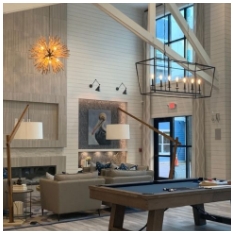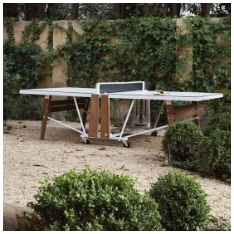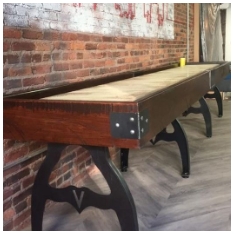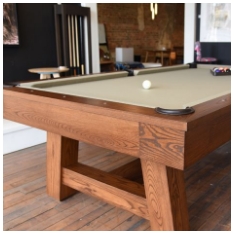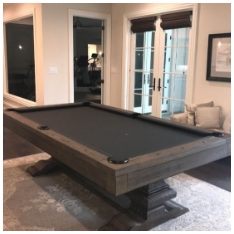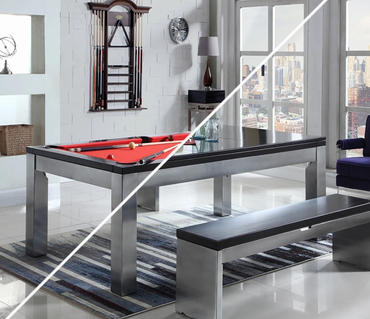
A dedicated game room can provide a comfortable place for entertainment, relaxation, and spending time with family or friends. Whether you enjoy video games, board games, pool, table tennis, or a combination of activities, the room needs more than gaming equipment. Layout, seating, lighting, storage, acoustics, and available space all influence how well the room functions.
Understanding how to plan the perfect game room design for your home begins with identifying how you intend to use the space. Planning these practical details before purchasing furniture or equipment can help you create a room that remains comfortable, organised, and suitable for different activities.
Decide How You Will Use the Game Room
Start by listing the activities you want the room to accommodate. A video gaming setup has different requirements from a room designed around a pool table or board games.
For example, video gaming may require a television or monitor, console storage, comfortable seating, charging points, and reliable internet access. A pool or table tennis setup requires enough open floor area around the table for players to move freely.
If several activities will take place in the same room, divide the space into clearly defined zones.
Prioritise the Main Activities
Trying to fit too many activities into a limited room can make it difficult to use comfortably. Identify the games or entertainment options that will receive the most use and give them sufficient space.
Less frequently used items can be stored in cabinets, shelves, or drawers and brought out when required. This approach keeps the room flexible without filling every available area.
Measure the Available Space
Accurate measurements are essential when planning a game room.
Measure the room's length, width, and ceiling height. Note the position of doors, windows, electrical outlets, heating or cooling vents, and built-in features.
Large equipment requires additional clearance around it. A game table may physically fit into a room but still be difficult to use if players cannot move comfortably around its sides.
Create a Simple Floor Plan
A basic floor plan can help you test different layouts before moving or purchasing furniture. Mark the main gaming equipment first and arrange seating and storage around it.
Keep pathways clear between entrances and activity areas. People should be able to enter, leave, or move between games without interrupting others.

Select Comfortable and Practical Furniture
Furniture should reflect how the game room will actually be used. A sofa or sectional can work well for console gaming and group entertainment, while individual chairs may provide greater flexibility.
For board games, puzzles, or card games, include a table with enough surface area and chairs that remain comfortable during longer sessions.
Furniture dimensions should suit the room rather than simply filling empty space.
Choose Durable Materials
Game rooms often receive regular use, so furniture should be easy to maintain. Upholstery that can handle frequent seating and surfaces that are simple to clean can reduce maintenance.
If food and drinks are allowed in the room, consider tables with easy-to-wipe finishes and accessible surfaces for placing cups or snacks.
Plan the Lighting Carefully
Good lighting makes a game room easier and more comfortable to use. Rather than relying on one central ceiling light, consider combining different types of lighting.
General ceiling lighting can illuminate the entire room, while task lighting can support board games, card tables, or reading areas. Lamps and wall lighting can provide softer illumination when watching television or playing video games.
Reduce Screen Glare
For rooms with televisions or monitors, pay attention to window placement and artificial lighting. Bright light directly opposite a screen can create reflections and make viewing uncomfortable.
Curtains, blinds, and adjustable lighting can help control brightness throughout the day.
Include Enough Storage
Games and accessories can quickly make a room appear cluttered without appropriate storage.
Use cabinets, shelving, drawers, or storage benches for controllers, cables, board games, cards, headsets, and other equipment. Frequently used items should remain easy to reach, while occasional-use items can be stored away.
Cable management is particularly important for electronic gaming setups. Organising wires behind furniture or using cable channels can keep walkways clear and make cleaning easier.
Consider Sound and Acoustics
Sound can travel easily from a game room into nearby bedrooms, offices, or shared living areas.
Soft furnishings can help reduce echoes within the room. Rugs, curtains, upholstered seating, and fabric-based decorative elements absorb more sound than hard surfaces.
Think About the Room's Location
If you are deciding where to establish a game room, consider its proximity to quieter areas of the home. A basement, spare room, converted garage, or room away from bedrooms may provide greater flexibility for gaming and social activities.
For an existing room, door seals, rugs, curtains, and other sound-control measures can help limit noise transfer.
Add Décor Without Overcrowding the Room
Décor can give the game room a distinct character, but it should not interfere with functionality.
Wall art, framed posters, display shelves, or selected gaming memorabilia can personalise the space. A consistent colour palette can also help connect furniture, flooring, and accessories.
Avoid filling walls and surfaces with too many decorative objects. Leaving some open space can make the room easier to maintain and visually organised.
Plan for Future Changes
Your entertainment preferences and equipment may change over time. Designing a flexible room can make future adjustments easier.
Modular seating, movable tables, adjustable shelving, and accessible electrical outlets allow the room to accommodate new games or technology without requiring major changes.
Final Thoughts
Learning how to plan the perfect game room design for your home involves balancing entertainment with practical considerations. Begin by defining the room's main activities, measuring the available space, and establishing a functional layout. Then consider seating, lighting, storage, acoustics, and décor.
A carefully planned game room does not need to contain every type of entertainment. It needs enough space for people to play comfortably, suitable storage to keep equipment organised, and a layout that supports how the room will be used. With these elements considered from the beginning, the space can remain practical and enjoyable for different games and activities over time.