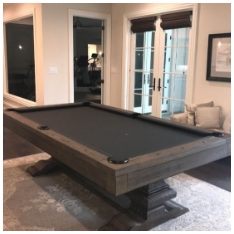
Moving a pool table is considerably more complicated than relocating ordinary household furniture. A pool table may appear sturdy, but it contains several delicate components that must be handled carefully. Its weight, size, slate playing surface, and precise levelling requirements make the moving process difficult without proper equipment and experience.
Understanding How to Move a Pool Table Why You Need a Professional can help property owners avoid damage, injuries, and expensive repairs. Professional pool table movers follow a structured dismantling, transportation, and reassembly process to protect the table and maintain its playing quality.
Why Moving a Pool Table Is Difficult
Pool tables are built from multiple heavy and sensitive parts. Depending on the model and size, a table may weigh several hundred kilograms. Much of this weight comes from the slate bed beneath the felt.
The slate may consist of one large piece or three separate sections. Although slate is durable during normal play, it can crack when lifted incorrectly, dropped, or placed under uneven pressure. Even a small crack may affect the ball movement and require costly replacement.
Pool tables also have long frames and wide rails that can be difficult to carry through doorways, staircases, and narrow corridors. Moving the table without dismantling it may damage walls, flooring, doors, or the frame itself.
What Can Go Wrong During a DIY Pool Table Move
Attempting to move a pool table without suitable knowledge can create several problems. The most common risks include personal injury, damaged slate, torn felt, and poor table alignment after reassembly.
Lifting heavy components without proper equipment can strain the back, shoulders, or arms. The weight may also shift unexpectedly while carrying the slate or frame. This can cause the item to fall or trap the hands and feet of those involved.
The felt can also be damaged during removal. Staples must be taken out carefully, and glued felt may require additional attention. Pulling the fabric too quickly can stretch, tear, or wrinkle it.
Even when every component reaches the new location safely, the table may not perform properly if it is assembled or levelled incorrectly.
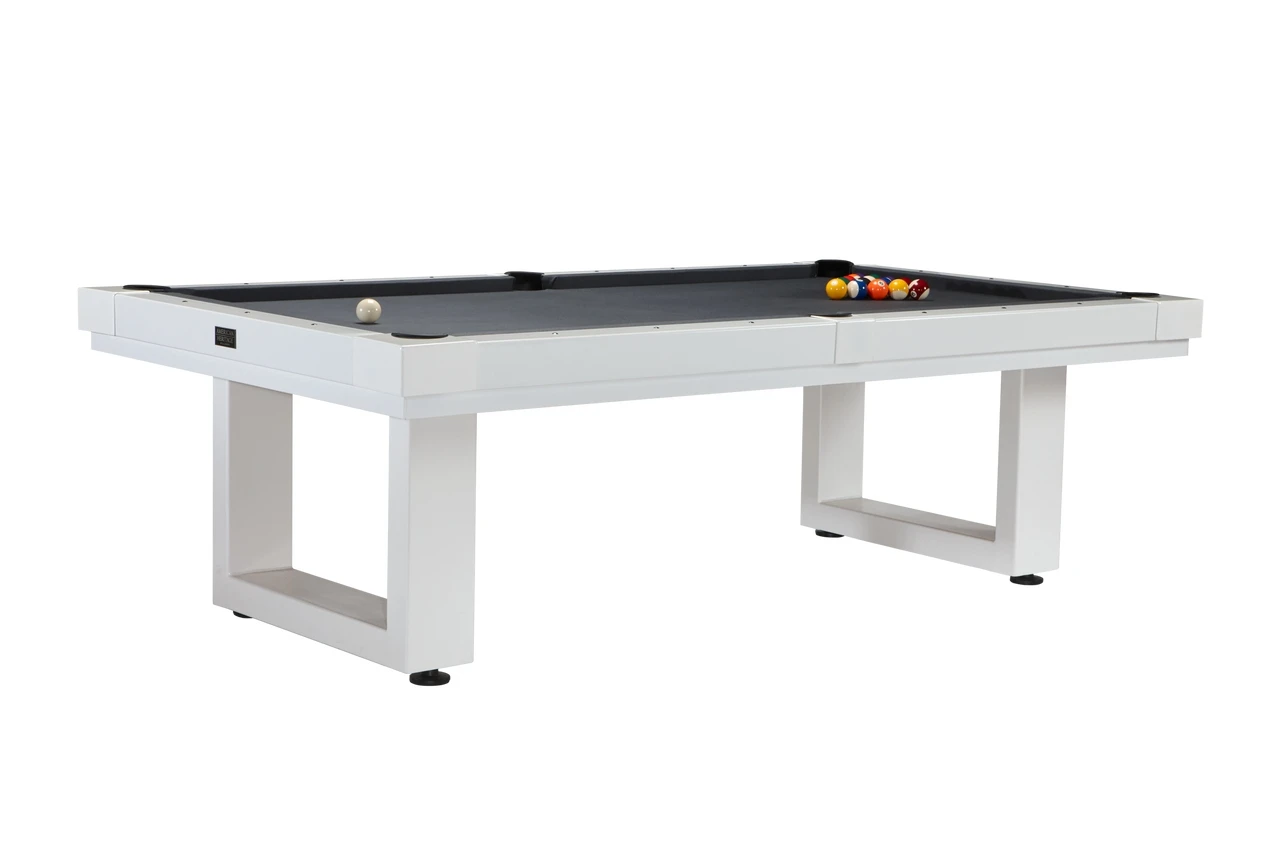
How Professionals Move a Pool Table
Professional movers use a step-by-step process designed specifically for pool tables. The exact procedure may vary depending on the table design, location, and distance of the move.
Inspecting the Table and Moving Route
Before dismantling the table, movers inspect its size, construction, condition, and accessibility. They may measure doorways, staircases, hallways, lifts, and loading areas.
This inspection helps the team identify potential obstacles and select the right moving equipment. It also allows them to plan how each part will be removed from the property safely.
Removing the Pockets, Rails, and Felt
The pockets are usually removed first, followed by the side rails. Each fastener is stored and labelled so that it can be used correctly during reassembly.
The felt is then detached from the slate. Stapled felt may be reusable when removed carefully. However, old, damaged, or glued felt may need to be replaced before the table is assembled again.
Lifting and Protecting the Slate
Slate removal is one of the most important stages of the process. Professional movers use suitable lifting techniques and enough team members to support the weight evenly.
Each slate section is wrapped in protective material and secured for transport. The pieces are kept upright or positioned according to the manufacturer’s recommended handling method to reduce the risk of cracking.
Dismantling and Transporting the Frame
After the slate has been removed, the frame and legs can be dismantled. Components are padded to protect them from scratches, dents, and movement inside the vehicle.
Professional movers use trolleys, straps, ramps, blankets, and vehicles designed to carry heavy items. The load is secured so that the components do not shift during transportation.
Why Professional Reassembly Matters
Moving the table is only part of the job. Reassembling it correctly is equally important because the playing surface must be level and stable.
Professionals rebuild the frame, position the slate sections, and check the table for movement. When a three-piece slate system is used, the joints must be aligned and sealed properly. Any uneven section can affect how the balls roll across the surface.
Specialist levelling tools are used to check the table in different directions. Adjustments may be made to the legs, frame, or slate until the playing surface is accurate.
The felt is then stretched evenly across the slate and attached without wrinkles. Finally, the rails and pockets are installed and checked.
Benefits of Hiring Professional Pool Table Movers
Hiring trained movers can reduce the risk of injury and property damage. It also protects the value and performance of the table.
Professional movers understand how different pool table designs are constructed. They can identify the correct dismantling points without damaging bolts, brackets, woodwork, or decorative components.
They may also provide suitable insurance or damage protection, depending on the service agreement. This offers additional reassurance when moving an expensive or custom-built table.
Another advantage is efficiency. Professionals arrive with the tools, packaging materials, equipment, and workforce required to complete the move in an organised manner.
How to Choose a Pool Table Moving Company
Look for a company with direct experience in pool table relocation rather than choosing a general removal service without specialist knowledge.
Ask whether the service includes dismantling, protective packing, transport, reassembly, felt installation, and levelling. It is also useful to confirm whether there are additional charges for stairs, long carrying distances, new felt, or difficult access.
Request a written quotation that clearly explains what is included. Check customer feedback and confirm that the company has appropriate insurance before booking the service.
Preparing for Moving Day
Clear the area around the pool table before the movers arrive. Remove cues, balls, racks, covers, lighting accessories, and nearby furniture.
Make sure the pathway between the table and the exit is free from obstacles. Reserve parking space for the moving vehicle where necessary and inform the movers about stairs, tight corners, or access restrictions in advance.
At the new property, choose the table location before delivery. The room should provide enough playing space around every side of the table.
Conclusion
Moving a pool table requires planning, physical strength, specialist tools, and careful reassembly. The slate, felt, frame, and rails can all be damaged when handled incorrectly.
Professional pool table movers reduce these risks by dismantling the table properly, protecting each component, securing it during transport, and rebuilding it accurately. Choosing an experienced moving company can help preserve the table’s condition, appearance, and playing performance after relocation.