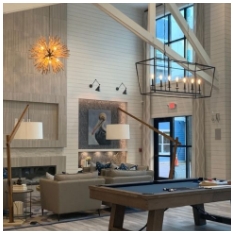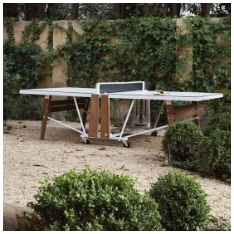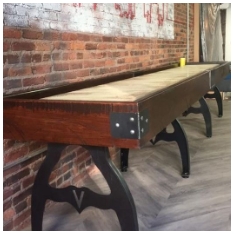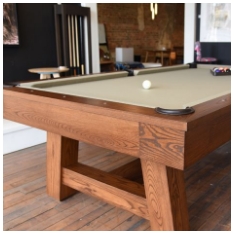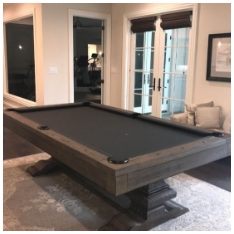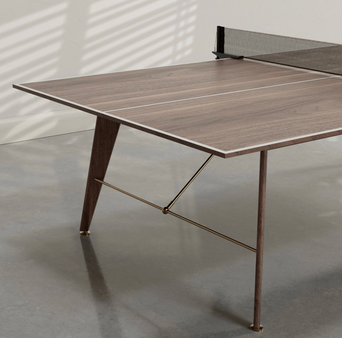
A sports lounge can provide a dedicated space for games, relaxation, and spending time with family or friends. While televisions, comfortable seating, and sports-themed décor can help establish the setting, a professional ping pong table can serve as the main activity area and give the room a clear purpose.
Understanding how to create a sports lounge with a professional ping pong table involves more than placing a table in the centre of a room. You need to consider available floor space, lighting, flooring, seating, storage, and movement around the table. Careful planning can make the lounge comfortable for both players and people who simply want to watch or relax.
Start by Planning the available space
Before selecting furniture or decorating the room, measure the available space. A professional ping pong table requires sufficient clearance around every side so players can move comfortably.
Consider doors, windows, columns, cabinets, and other permanent features when measuring. The playing area should not block important walkways or make it difficult to reach other parts of the lounge.
Allow Enough Room Around the Table
The dimensions of the table are only one part of your space requirements. Players need additional room behind each end and along both sides.
If possible, position the table away from fragile furniture, television screens, decorative objects, and glass surfaces. This reduces the chance of accidental damage during active games.
Marking the table dimensions on the floor with removable tape before installation can help you understand how much usable space will remain.
Make the Ping Pong Table the Main Feature
Once you have identified a suitable location, organise the rest of the sports lounge around the table. A central position can work well in larger rooms, while a slightly offset arrangement may be more practical when the lounge includes a television or separate seating area.
Avoid filling the playing zone with unnecessary furniture. Keeping this section open helps players move naturally and makes the room feel less crowded.
Create Separate Activity and Seating Zones
A well-planned sports lounge can have distinct zones for different purposes. The ping pong table can occupy the activity area, while sofas, lounge chairs, or stools can create a separate place for spectators.
Position seating far enough away from the table to avoid interfering with play. If the room has limited space, benches or compact chairs placed against the walls can provide seating without occupying too much floor area.
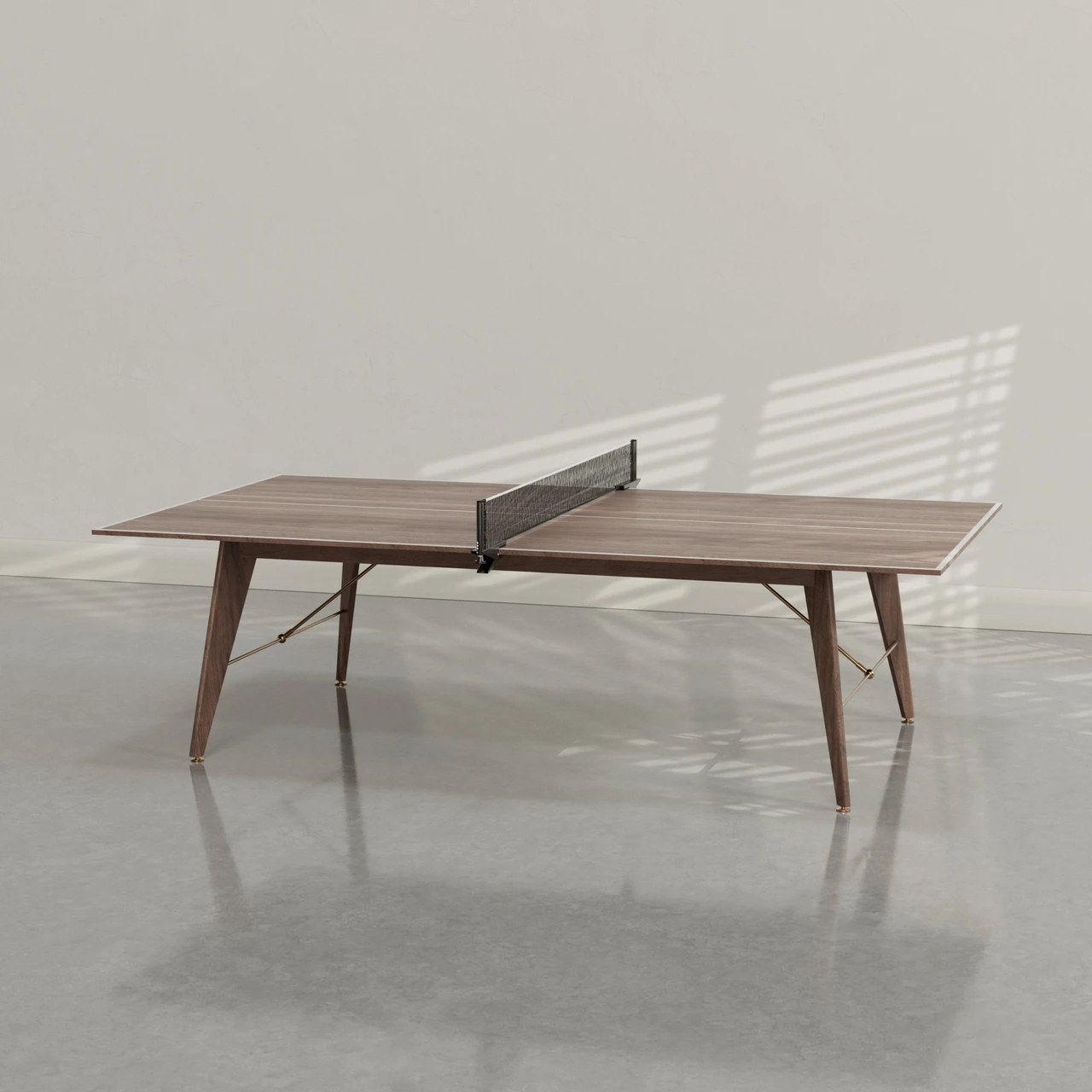
Choose Suitable Flooring
Flooring affects both comfort and practical use. Ping pong involves frequent movement, so the surface should allow players to change direction without unnecessary difficulty.
Hardwood, vinyl, rubber flooring, and certain low-pile carpets may work depending on the room. Avoid surfaces that are excessively slippery or uneven.
Protect Existing Floors
If you already have flooring that you want to preserve, consider using appropriate floor protection around the playing area. Any rug or mat used near the table should remain flat and secure so that its edges do not create a tripping hazard.
Floor colour can also contribute to the overall appearance of the lounge. Neutral flooring often works well because it allows the table, furniture, and decorative elements to stand out.
Install Appropriate Lighting
Good lighting is particularly important around a professional ping pong table. Players need to see the ball clearly throughout the game without being distracted by glare or heavy shadows.
Overhead lighting usually provides the most consistent illumination. Fixtures should distribute light evenly across the table rather than concentrating brightness in one area.
Control Glare and Natural Light
Windows can introduce useful daylight, but direct sunlight may affect visibility during play. Curtains, blinds, or shades can help control changing light conditions.
When positioning artificial lights, check whether they reflect strongly from the table surface. Adjusting fixture placement can improve visibility and create a more comfortable playing environment.
Add Comfortable Lounge Seating
The lounge should remain useful even when nobody is playing. Comfortable seating creates an area where people can watch games, talk, or relax.
A sofa can work well in a larger room, while armchairs, benches, or bar-style seating may suit smaller spaces. Choose furniture that fits the available area without restricting access to the ping pong table.
Durable and easy-to-clean upholstery can be practical for a sports-focused room that receives regular use.
Include Practical Equipment Storage
Paddles, balls, spare nets, cleaning supplies, and other accessories can quickly create clutter if they do not have designated storage.
Wall-mounted racks, cabinets, drawers, or storage baskets can keep equipment organised and accessible.
Keep Frequently Used Items Nearby
Store paddles and balls close to the playing area so they are easy to reach. Less frequently used items can be placed in cabinets or closed storage.
Organised storage also reduces the likelihood of balls and equipment being left on the floor, where they could become obstacles.
Use Sports Décor in Moderation
Sports-themed décor can establish the character of the lounge without covering every wall. Framed photographs, jerseys, equipment displays, posters, or simple wall graphics can provide visual interest.
Choose a consistent theme rather than combining too many unrelated decorative elements. Neutral walls with a few selected sports references can create a clean, organised appearance.
Consider Entertainment Beyond Ping Pong
If space permits, the lounge can support other forms of entertainment. A television can be positioned where viewers can watch sporting events without interfering with the playing area.
A compact refreshment station, small refrigerator, side table, or media console may also make the space more practical. Keep these additions outside the main playing zone.
Maintain the Ping Pong Table and Lounge
Regular maintenance can help keep the room functional. Clean the table surface according to the manufacturer's instructions and check the net, legs, and supporting components periodically.
Keep the surrounding floor clear and store equipment after use. Furniture, lighting fixtures, and storage areas should also be checked occasionally to ensure the lounge remains organised.
Final Thoughts
Learning how to create a sports lounge with a professional ping pong table starts with practical space planning. The table needs enough clearance for comfortable play, while lighting, flooring, seating, and storage should support how the room will be used.
By separating playing and relaxation areas, controlling clutter, and choosing décor carefully, you can create a sports lounge that works for both active games and casual gatherings. A well-planned layout ensures that the professional ping pong table remains the central feature without limiting the comfort or functionality of the rest of the room.