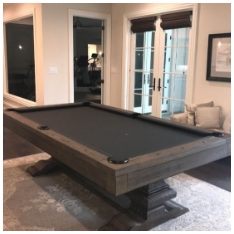
Selecting the right poker table is an important step for anyone planning to host regular games or improve their playing experience. A well-chosen table enhances comfort, ensures better gameplay, and creates a more structured environment for players. Whether you are setting up a casual home game or a more formal poker setup, understanding key factors will help you make a suitable decision.explains how to choose the perfect poker table easily by focusing on size, shape, materials, features, and budget considerations.
Why Choosing the Right Poker Table Matters
A poker table is not just a piece of furniture. It directly affects gameplay and player comfort. A poorly chosen table can lead to cramped seating, uneven surfaces, or lack of durability.
Key Benefits of a Good Poker Table:
- Provides a smooth and consistent playing surface
- Ensures comfortable seating for all players
- Enhances the overall gaming experience
- Adds a professional feel to home games
Understanding these benefits highlights why careful selection is necessary.
Types of Poker Tables
Before selecting a table, it is important to understand the different types available in the market.
Full-Size Poker Tables
These are commonly used in casinos and dedicated gaming rooms. They offer ample space and often include features like chip trays and cup holders.
Folding Poker Tables
Folding tables are ideal for home use where space is limited. They can be stored easily when not in use.
Table Tops
Poker table tops can be placed over existing tables. They are cost-effective and suitable for casual players.
Each type serves a different purpose, so your choice should align with your usage and space availability.

Choosing the Right Size and Shape
Size and shape are among the most important factors when selecting a poker table.
Table Size
- 8-player tables: Suitable for small groups
- 9–10 player tables: Ideal for standard games
- Ensure enough space between players for comfort
Table Shape
- Oval tables: Most common and widely used
- Round tables: Suitable for smaller groups
- Rectangular tables: Useful for multi-purpose setups
Selecting the right size and shape ensures smooth gameplay without overcrowding.
Material and Build Quality
The durability of a poker table depends largely on its material.
Playing Surface
A high-quality felt or speed cloth surface allows cards to slide smoothly and improves dealing efficiency.
Frame and Structure
- Wooden frames offer durability and a premium look
- Metal frames are lightweight and portable
Padding
Proper armrest padding improves player comfort during long sessions.
Investing in good materials ensures longevity and better usability.
Essential Features to Look For
When learning how to choose the perfect poker table easily, focusing on essential features can simplify the decision.
Cup Holders
Cup holders prevent spills and keep the playing area clean.
Chip Trays
Built-in chip trays help organize chips and improve gameplay efficiency.
Dealer Position
Some tables include a designated dealer spot, which is useful for structured games.
Portability
If you need flexibility, choose folding tables or lightweight designs.
These features contribute to a more organized and enjoyable gaming experience.
Budget Considerations
Poker tables are available across a wide price range. Setting a budget helps narrow down your options.
Entry-Level Tables
- Affordable and suitable for beginners
- Usually include basic features
Mid-Range Tables
- Better materials and improved durability
- Suitable for regular home games
Premium Tables
- High-quality construction and advanced features
- Ideal for dedicated gaming rooms
Balancing cost with features ensures value for money.
Space and Setup Planning
Before purchasing a poker table, assess your available space.
Room Dimensions
Ensure there is enough room for chairs and movement around the table.
Storage Needs
If space is limited, folding tables or table tops are practical options.
Lighting Setup
Proper lighting improves visibility and enhances gameplay.
Planning your setup in advance avoids inconvenience later.
Conclusion
Understanding how to choose the perfect poker table easily involves evaluating multiple factors such as size, type, materials, features, and budget. A well-selected table enhances gameplay, ensures comfort, and adds value to your gaming setup.
Whether you are a casual player or a regular host, taking the time to assess your needs will help you invest in a poker table that suits your requirements and provides a better playing experience.