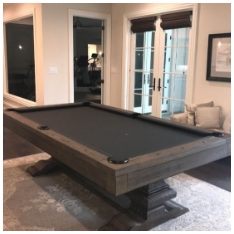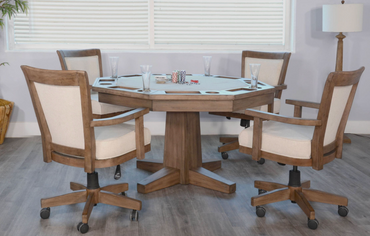
Buying a poker table can improve the overall experience of hosting card games at home, in a club, or in a recreational space. A dedicated table provides a stable playing surface, organised seating, and enough room for cards, chips, drinks, and other accessories.
However, poker tables are available in different sizes, shapes, materials, and price ranges. Choosing the wrong option may lead to limited seating, poor comfort, or difficulty fitting the table into the available space.
This How to Choose the Best Poker Table for Sale: A Buyer's Guide explains the key factors you should consider before making a purchase. It will help you compare different table types and select one that suits your playing requirements, room size, and budget.
Determine How You Will Use the Poker Table
Before comparing designs, decide how frequently the table will be used and where it will be placed.
A casual home player may only need a foldable table that can be stored after each game. A regular host may benefit from a permanent table with stronger construction and comfortable seating. Commercial gaming rooms may require professional-grade tables designed for repeated use.
Consider the following:
- Number of players expected
- Frequency of poker games
- Available room space
- Need for portability
- Indoor or outdoor use
- Storage requirements
Understanding the intended use will make it easier to narrow down the available options.
Choose the Right Poker Table Size
Poker table size directly affects player comfort and room layout. A table that is too small may feel crowded, while an oversized table may restrict movement around the room.
Tables for Small Groups
Compact poker tables are suitable for four to six players. They are commonly used in apartments, small game rooms, or multipurpose spaces.
These tables are easier to move and usually cost less than full-size models. Foldable versions can also be stored when not in use.
Tables for Larger Groups
Full-size poker tables are designed for eight to ten players. They provide more space for cards, chips, and individual seating positions.
Before buying a larger table, measure the room carefully. Leave enough space around the table so players can move their chairs comfortably.
As a general rule, there should be at least three feet of open space around the table.

Compare Different Poker Table Shapes
The shape of the table can influence seating arrangement and interaction between players.
Oval Poker Tables
Oval tables are among the most common options for larger games. They provide enough room for several players and allow the dealer to access different positions easily.
They are suitable for dedicated poker rooms and regular group games.
Round Poker Tables
Round tables work well for smaller groups. Every player has a clear view of the centre, making them suitable for casual games.
They also fit well in square rooms and compact spaces.
Octagonal Poker Tables
Octagonal tables usually include clearly defined seating areas. They are suitable for home games where players prefer individual positions and built-in cup holders.
Check the Playing-Surface Material
The playing surface affects card movement, comfort, and durability.
Speed cloth is a popular option because cards slide smoothly across the table. It is commonly used in professional and high-quality home poker tables.
Felt is another widely available material. It offers a soft surface and is usually more affordable. However, lower-quality felt may wear out faster or become difficult to clean.
Look for a surface that is:
- Smooth enough for dealing cards
- Resistant to spills
- Easy to clean
- Firmly attached
- Free from wrinkles
A replaceable playing surface can also extend the life of the table.
Decide Between Foldable and Permanent Tables
Foldable poker tables are suitable for buyers who have limited space. They can be set up when required and stored afterwards.
They are generally lighter and more affordable, but may not offer the same stability as permanent tables.
Permanent poker tables are heavier and usually provide better construction, comfort, and durability. They are suitable for dedicated game rooms or regular poker events.
A tabletop poker mat is another option for occasional players. It can be placed on an existing dining table, although it may not provide the full experience of a dedicated poker table.
Set a Realistic Budget
Poker table prices vary depending on size, materials, construction, and added features.
Entry-level tables are usually suitable for casual games. Mid-range tables may offer better padding, stronger frames, and improved playing surfaces. Premium tables often include custom finishes, professional cloth, dealer trays, and high-quality woodwork.
When comparing prices, consider the total cost, including:
- Delivery charges
- Assembly costs
- Replacement cloth
- Chairs
- Poker chips
- Table covers
- Maintenance supplies
Choosing a durable table may provide better value than replacing a lower-quality product after limited use.
Review Delivery and Assembly Requirements
Large poker tables may require professional delivery and assembly. Check the table dimensions against doorways, staircases, lifts, and room entrances before ordering.
Review the seller’s return policy in case the table arrives damaged or does not match the product description.
You should also confirm whether the table includes a warranty covering the frame, legs, fabric, or manufacturing defects.
Conclusion
Choosing the right poker table requires careful consideration of size, shape, materials, construction, comfort, and available space. The ideal option should support the expected number of players while fitting comfortably within the room.
Foldable tables are practical for occasional games and limited spaces, while permanent tables are better suited to frequent use. Buyers should also review the playing surface, frame stability, built-in features, delivery terms, and long-term maintenance costs.
By comparing these factors before purchasing, you can select a poker table that provides a comfortable, organized, and reliable setting for future games.