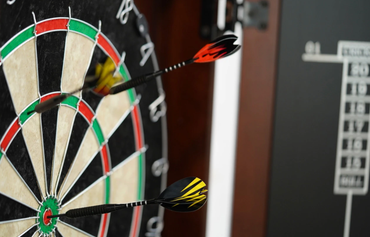
A dartboard is an important part of any home game room, entertainment space, or professional darts setup. Whether you play occasionally with friends or practise regularly to improve your accuracy, keeping your dartboard in good condition helps maintain consistent performance and reduces replacement costs. However, repeated throws, poor storage, and improper maintenance can cause the board to wear out sooner than expected.
If you are wondering, how do you make a dartboard last longer? the answer starts with choosing the right board, using suitable darts, rotating the playing surface, and following a few simple maintenance practices. With the right care, a quality dartboard can provide many hours of enjoyable play.
1. Choose a High-Quality Dartboard
The quality of your dartboard has a direct impact on its lifespan. Bristle dartboards made from compressed sisal fibres are a popular choice because the fibres can close around dart holes after the darts are removed. This helps the board maintain a playable surface over time.
Why Sisal Dartboards Are a Good Choice
Sisal dartboards are designed for repeated use and are commonly found in competitive and recreational settings. Their self-healing properties help reduce the visibility of holes, although the fibres cannot repair every type of damage.
When purchasing a dartboard, look for tightly packed fibres, clearly defined scoring segments, and a durable number ring. A well-made board is a sensible investment for players who want long-term use.
2. Rotate Your Dartboard Regularly
One of the simplest ways to extend a dartboard's lifespan is to rotate it periodically. Most players aim for the 20 segment, which means the surrounding areas can experience considerably more wear than other parts of the board.
How to Rotate a Dartboard Correctly
On a traditional bristle dartboard with a removable number ring, take off the ring and rotate the board slightly so that a different segment sits at the top. Reposition the number ring to match the new orientation.
The bullseye remains in the centre, but the frequently targeted segments change position relative to the players' throwing patterns. Rotate the board when you notice concentrated wear rather than waiting until the fibres become badly damaged.
Always follow the manufacturer's instructions before rotating your board, as some models are not designed for this type of adjustment.

3. Use the Correct Darts and Dart Tips
Using suitable darts can help prevent unnecessary damage. Steel-tip darts are intended for compatible bristle boards, while soft-tip darts are designed for electronic dartboards. Using the wrong type can damage the surface or create a safety risk.
Inspect Your Dart Tips
Check steel tips regularly for burrs, bends, or rough edges. Damaged tips may tear sisal fibres instead of entering the board cleanly. Keep the tips smooth and in good condition, following the manufacturer's recommendations for maintenance.
Avoid forcing darts into the board or using excessive pressure when removing them. Pull each dart straight out with a gentle twisting motion when appropriate for the board. This helps limit fibre damage and reduces unnecessary strain on the playing surface.
4. Install Your Dartboard in a Suitable Location
The environment around your dartboard can influence how well it holds up over time. Excessive moisture, direct sunlight, and extreme temperature changes may affect the board's materials and overall condition.
Keep the Board Dry and Protected
Install your dartboard indoors in a dry, well-ventilated room. Avoid damp basements, exposed outdoor areas, and locations where water may reach the board.
Direct sunlight can fade the colours and markings, while high humidity may affect some materials and mounting components. Choose a stable indoor location away from windows that receive strong sunlight.
Secure the board properly to prevent movement during play. A suitable mounting system also helps protect the wall and keeps the board at a consistent height and position.
5. Remove Darts Carefully and Maintain the Surface
Good dartboard maintenance does not require complicated cleaning routines. In fact, excessive cleaning or applying liquids can damage the fibres.
Follow a Simple Cleaning Routine
Remove darts after each turn rather than leaving them in the board for extended periods. This helps prevent accidental damage and keeps the surface ready for the next game.
For a sisal board, avoid soaking it with water, using household cleaning products, or applying oils. These substances can affect the fibres and interfere with the board's ability to hold darts correctly.
Use a dry, soft cloth to remove dust from the cabinet, number ring, or surrounding frame. For the playing surface, follow the manufacturer's specific cleaning guidance.
6. Protect Your Dartboard When It Is Not in Use
A cabinet or protective surround can help shield your dartboard from accidental impacts, dust, and everyday contact. This is particularly useful in shared living spaces where people may walk past the playing area.
Use a Cabinet or Dartboard Surround
A dartboard cabinet protects the board when closed, while a surround helps catch missed darts and reduces damage to nearby walls. These accessories do not prevent normal wear, but they can help maintain the overall condition of your setup.
If you need to store the board, keep it in a dry location and protect it from pressure, sharp objects, and heavy items. Avoid placing anything on top of the board or storing it where the fibres may become compressed.
7. Improve Your Throwing Accuracy
Your playing technique can also influence how quickly a dartboard wears out. Repeatedly striking the same small area concentrates the impact on a limited number of fibres.
Practise Across Different Segments
During practice sessions, vary your targets and work on different scoring segments. This can distribute wear more evenly while helping you develop better control and accuracy.
Use consistent throwing techniques and avoid throwing damaged darts. If darts repeatedly fall out of the board, check their tips, the board's condition, and whether the darts are appropriate for the surface.
Conclusion
Understanding how to care for your equipment is essential for anyone who wants to enjoy darts for years to come. If you are asking, how do you make a dartboard last longer?, focus on regular rotation, suitable darts, careful dart removal, a dry indoor environment, and proper protection when the board is not in use.
A high-quality sisal dartboard, combined with simple maintenance habits, can provide reliable performance for a long time. By checking the board regularly and addressing signs of wear early, you can protect your investment and keep your game room ready for every match.