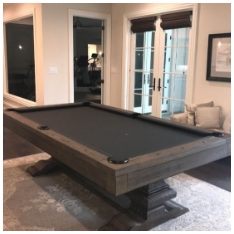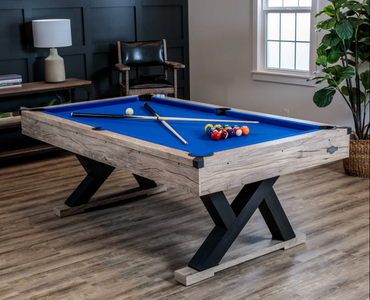
Choosing a pool table is not just about style or brand it is about finding the right fit for your room, your playing habits, and your long-term expectations. Many buyers make the mistake of focusing only on the table size without considering space requirements, materials, and usability. So, how do you choose the best pool table for your space? This guide walks you through every essential factor to help you make a confident and informed decision.
Understanding Your Available Space
Measure Your Room Accurately
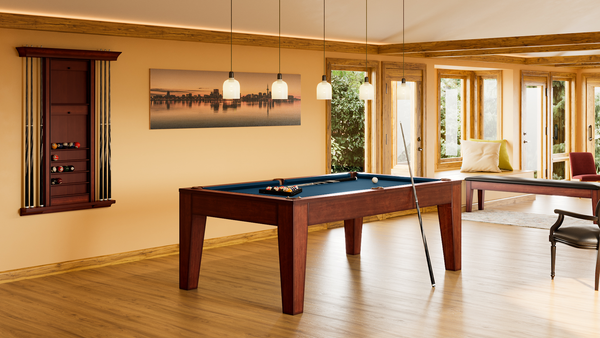
Before selecting a pool table, measure the length and width of the room carefully. You must account not only for the table itself but also for cue movement around it. Standard cue sticks require at least 5 feet of clearance on all sides to allow comfortable play.
Recommended Room Sizes
Different table sizes require different room dimensions:
- 7-foot table: Minimum room size of 13 ft x 16 ft
- 8-foot table: Minimum room size of 14 ft x 18 ft
- 9-foot table: Minimum room size of 15 ft x 19 ft
If your space is limited, smaller tables or shorter cue sticks can help, but full clearance always provides the best playing experience.
Choosing the Right Pool Table Size
Match Table Size to Usage
Home players often choose 7-foot or 8-foot tables, which balance space efficiency and playability. A 9-foot table is typically used in professional or tournament settings and requires a larger room.
Consider Player Skill Levels
If beginners and casual players will use the table, a slightly smaller size may feel more manageable. Experienced players may prefer larger tables that offer a more challenging game.
Selecting the Best Table Type
Slate vs Non-Slate Tables
Slate pool tables are considered the standard for consistent play. They provide a level surface and long-term durability. Non-slate tables, often made with MDF or wood composites, are lighter and more affordable but may not offer the same playing accuracy.
One-Piece vs Three-Piece Slate
- One-piece slate: Ideal for smaller tables and easier installation
- Three-piece slate: Better for larger tables, allows precise leveling
For long-term use and serious play, slate tables are the preferred option.
Frame and Construction Quality
Importance of a Strong Frame
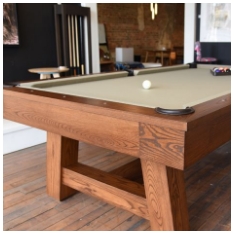
A pool table must support significant weight, especially slate models. Solid hardwood frames offer better stability and resistance to warping over time.
Leg Design and Support
Look for thick, well-braced legs that distribute weight evenly. Adjustable leg levelers are useful for maintaining balance, especially on uneven floors.
Choosing the Right Cloth
Cloth Material Options
Pool table cloth is typically made from wool or a wool-nylon blend. Woolen cloth is slower and more forgiving, making it suitable for casual play. Worsted cloth is smoother and faster, preferred by experienced players.
Cloth Color Considerations
Green remains the most popular choice due to reduced eye strain, but blue and gray are also common in modern interiors. Choose a color that complements your room while maintaining good ball visibility.
Style and Design Considerations
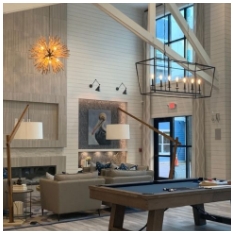
Match the Table to Your Interior
Pool tables come in traditional, modern, and transitional designs. A traditional table suits classic interiors, while clean lines and neutral finishes work well in contemporary spaces.
Multi-Functional Pool Tables
If space is limited, consider tables with dining or table-top covers. These options allow the table to serve multiple purposes without sacrificing usability.
Budget Planning
Initial Cost vs Long-Term Value
Lower-priced tables may save money upfront but can require repairs or replacement sooner. Investing in a well-built table often provides better value over time.
Additional Costs to Consider
- Delivery and professional installation
- Accessories such as cues, balls, racks, and covers
- Maintenance items like brushes and chalk
Factoring in these costs helps avoid surprises after purchase.
Installation and Placement
Professional Installation Matters
Slate tables require precise leveling. Professional installation ensures proper alignment and extends the life of the table.
Flooring and Weight Support
Pool tables are heavy, especially slate models. Ensure your floor can support the weight and consider placing the table on a level surface for best results.
Maintenance and Longevity
Regular Care
Brushing the cloth regularly, keeping food and drinks away, and covering the table when not in use will help maintain its condition.
Environmental Factors
Avoid placing the table in areas with high humidity or direct sunlight, as these can affect cloth and wood components over time.
Final Thoughts
So, how do you choose the best pool table for your space? The answer lies in balancing room size, table dimensions, construction quality, and personal usage needs. By carefully evaluating your space, selecting durable materials, and planning for long-term maintenance, you can invest in a pool table that provides years of enjoyment and reliable play.
A well-chosen pool table is more than a game accessory—it becomes a lasting centerpiece for entertainment, skill-building, and social interaction.