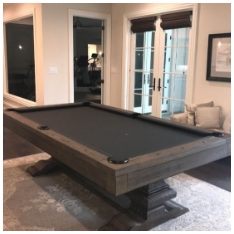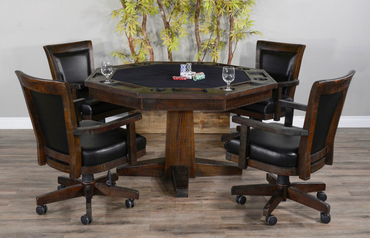
A poker game table can significantly influence the comfort, organisation, and overall experience of a home poker session. While cards and chips are essential, the table is where players spend most of their time. Its size, shape, surface, seating arrangement, and build quality can affect how smoothly each game progresses.
Choosing a poker table requires more than selecting an attractive design. You need to consider the available room, expected number of players, frequency of use, storage requirements, and budget. A table that works well for an occasional family game may not be suitable for regular tournaments or larger gatherings.
This article provides a practical approach to evaluating poker tables so that you can select one that matches your gaming requirements and available space.
Measure the Available Space Before Buying
The first step is measuring the room where the table will be placed. Consider both the dimensions of the table and the additional space required for chairs and player movement.
Leave enough clearance around the table so players can sit down, stand up, and move without disturbing others. A minimum clearance of approximately 90 centimetres around the table is generally useful, although larger rooms may allow more comfortable spacing.
Do not rely only on the listed table dimensions. Chairs may extend beyond the table, especially when occupied. Marking the proposed table area on the floor with tape can help you visualise how much room it will use.
Consider Permanent and Temporary Placement
A permanent poker room can accommodate a full-sized, fixed table. However, a multipurpose room may require a folding or convertible model that can be stored when it is not being used.
Before purchasing, determine whether the table will remain in one position or need to be moved regularly. This decision will influence the appropriate table weight, leg design, and storage features.

Choose the Appropriate Table Shape
Poker tables are commonly available in oval, round, and octagonal shapes. Each format supports a different number of players and creates a slightly different playing experience.
Oval tables are frequently used for larger games because they provide sufficient room for several players and a central dealer position. Round tables work well for smaller groups and allow players to reach the centre more easily. Octagonal tables often include an individual playing area for each participant and are suitable for casual home games.
The right shape depends on the room layout and the usual number of participants. A large oval model may look impressive, but it can be unnecessary if most games involve only four or five players.
Select the Right Seating Capacity
Poker tables may accommodate anywhere from four to ten or more players. It is advisable to choose a capacity based on the number of people who regularly attend rather than the largest possible gathering.
A table that is too small can lead to crowded playing areas, mixed chips, and limited arm movement. A table that is too large may make cards and community chips difficult to reach.
When following a Guide To Choose The Perfect Poker Game Table, consider whether you need space for a dedicated dealer. Tables designed for dealer-led games may have a curved cut-out or a clearly defined dealer position. Casual games in which players take turns dealing may not require this feature.
Examine the Playing Surface
The playing surface affects card movement, chip handling, and overall table usability. Common surface materials include felt, speed cloth, and synthetic fabric.
Traditional felt provides a soft and familiar texture, but it may show wear over time. Speed cloth offers a smoother finish that allows cards to slide more easily. It is also often more resistant to spills and stains, making it suitable for frequent games.
Check whether the surface is tightly fitted and free from wrinkles. Loose or uneven fabric can interfere with dealing and may reduce the table’s lifespan.
Look for Adequate Padding
A padded playing area provides support for players’ hands and makes long sessions more comfortable. However, excessive padding can make chips unstable or make cards difficult to lift.
The surface should feel firm enough for controlled chip stacking while still providing a comfortable resting area.
Review the Rail and Cup Holders
A padded rail runs around the outer edge of many poker tables. It gives players a place to rest their arms and helps separate personal chips from the central playing area.
Inspect the quality of the rail covering and padding. The material should be durable, easy to clean, and securely attached. Vinyl and synthetic leather are commonly used because they require limited maintenance.
Built-in cup holders can reduce the risk of drinks spilling onto cards or fabric. Deep stainless-steel holders generally provide better stability than shallow plastic versions. Removable cup holders may also be easier to clean or replace.
Compare Fixed, Folding, and Tabletop Models
Fixed poker tables are usually more stable and durable. They are appropriate for dedicated gaming areas and regular use. However, they require more space and can be difficult to relocate.
Folding tables offer greater flexibility. They can be set up for a game and stored afterwards. When reviewing a folding model, check the leg-locking mechanism and overall stability.
Tabletop poker mats or foldable table toppers are suitable for limited spaces and smaller budgets. They can be placed on an existing dining table, although they may not provide the same stability or comfort as a purpose-built poker table.
Check Construction Quality and Durability
A strong frame and stable legs are essential for supporting players, chips, cards, and accessories. Examine the table’s weight capacity, joint construction, and leg supports before making a decision.
Wooden frames often provide a traditional appearance, while metal frames may offer easier maintenance and improved portability. Regardless of the material, the table should not wobble when pressure is applied to the rail.
Also review the stitching, fabric attachment, cup holder fittings, and underside construction. Small finishing details can indicate whether the table is designed for occasional or long-term use.
Balance Features with Your Budget
Poker table prices vary according to size, materials, customisation, and included features. Set a practical budget after identifying the elements that matter most to your games.
Prioritise stability, comfortable seating space, and surface quality before decorative features. Custom graphics, lighting, chip trays, and premium upholstery may improve appearance, but they are not essential for every player.
Consider potential long-term costs as well. A low-priced table that requires frequent repairs or replacement may be more expensive over time than a durable mid-range model.
Conclusion
Choosing a poker game table involves balancing room dimensions, player capacity, comfort, construction quality, storage needs, and budget. Start by measuring the available space and identifying how frequently the table will be used.
Compare table shapes, surface materials, rails, cup holders, frames, and folding mechanisms before making a final decision. The right poker table should provide enough space for each player, remain stable throughout the game, and fit naturally within the room.
By focusing on practical features rather than appearance alone, you can select a poker game table that supports organised, comfortable, and enjoyable gaming sessions for years to come.