Billiards is more than a competitive indoor sport. It is also a social activity that can bring children, parents, grandparents, and friends together. The game combines patience, concentration, coordination, and strategy, making it suitable for players with different experience levels.
Although many people use the terms billiards, pool, and snooker interchangeably, each game has its own equipment, rules, and playing style. Learning a few interesting facts about these games can make family matches more enjoyable and help new players appreciate the history and skill behind every shot.
This guide explores Fun Facts About Billiards Games for the Entire Family, including the origins of the game, popular formats, basic equipment, and the practical benefits of playing together.
Billiards Began as an Outdoor Game
One of the most interesting facts about billiards is that it was originally played outdoors. Early versions were similar to lawn games such as croquet. Players used sticks to move balls through obstacles or toward specific targets.
Over time, the game moved indoors and was played on raised tables covered with green cloth. The green surface was intended to resemble grass, preserving a visual connection to the game’s outdoor origins.
As indoor versions developed, wooden rails were added to prevent balls from falling off the table. Cushions were later introduced, allowing players to use angles and rebounds as part of their strategy.
Billiards, Pool, and Snooker Are Different Games
The word billiards is often used as a general term for cue sports, but pool, snooker, and carom billiards follow different rules.
Pool
Pool is commonly played on a table with six pockets. Popular versions include eight-ball, nine-ball, straight pool, and ten-ball. Eight-ball is one of the easiest formats for families to recognise because players aim to pocket either solid-coloured or striped balls before attempting the eight ball.
Snooker
Snooker is played on a larger table with smaller pockets. The game uses 15 red balls, six coloured balls, and one white cue ball. Players score points by pocketing balls in a specific order.
Snooker often requires careful positioning and precise control, making it more complex for beginners.
Carom Billiards
Carom billiards is played on a table without pockets. Players score by striking the cue ball so that it contacts the other balls on the table. This format focuses heavily on angles, rebounds, and cue-ball control.

The Cue Stick Has Changed Over Time
Early billiards players used a wooden stick known as a mace. It had a broad, curved end that was used to push the ball rather than strike it.
The modern cue developed when players began using the narrower end of the mace to make difficult shots near the table rails. Cue sticks are now designed with tapered shafts, smooth surfaces, and replaceable tips.
Most cues are made from wood, although some modern versions use materials such as carbon fibre, fibreglass, or composite materials. A well-maintained cue can improve consistency, but beginners do not need expensive equipment to enjoy the game.
Chalk Helps Players Control the Cue Ball
Cue chalk is not used to make the cue tip smoother. It increases friction between the cue tip and the cue ball.
Without chalk, the cue tip may slide off the ball during angled or spin shots. This mistake is known as a miscue. Applying a small amount of chalk can help players make cleaner contact and control the direction of the cue ball.
Family members learning the game should be shown how to apply chalk lightly and evenly. Excessive chalk can create dust and leave marks on the table cloth.
Billiards Encourages Strategic Thinking
Every billiards shot involves more than simply aiming at a ball. Players must consider the position of the cue ball, the angle of contact, the speed of the shot, and the location of the next target.
This makes billiards a useful activity for developing planning and problem-solving skills. Younger players can learn how one decision influences the next, while adults can practise patience and controlled decision-making.
The game also teaches players to adjust their plans. A shot may not always produce the expected result, so players must evaluate the new table layout and choose another approach.
Playing Billiards Can Improve Coordination
Billiards requires players to coordinate their eyes, hands, posture, and movement. They must focus on the target ball while controlling the cue stick in a straight and steady motion.
Regular practice may help improve hand-eye coordination and fine motor control. The game also encourages players to maintain balance and develop a consistent stance.
For children, lightweight cues or cue extensions can make the game more comfortable. Adults should also ensure that younger players can reach the table safely without climbing on unstable furniture.
Family Rules Can Make the Game More Inclusive
Standard billiards rules may be difficult for very young or inexperienced players. Families can modify the rules to make matches fair and enjoyable.
Use Shorter Games
Instead of playing a full game of eight-ball, players can use fewer balls. A shorter match keeps younger participants engaged and allows more family members to take turns.
Allow Extra Attempts
Beginners may be allowed two attempts per turn. This gives them more opportunities to practise aiming and cue control without feeling pressured.
Create Team Matches
Pairing a beginner with an experienced player can make the game more balanced. Team members can discuss shot selection and learn from each other.
Families can also award points for accurate contact, good positioning, or improved technique rather than focusing only on who wins.
Billiards Tables Require Regular Care
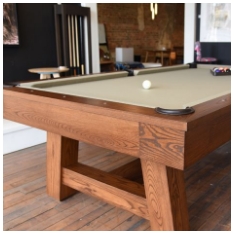
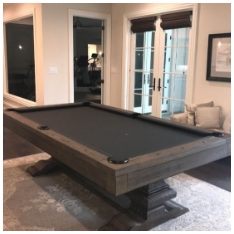
A billiards table can provide years of use when it is maintained correctly. The cloth should be brushed gently to remove chalk and dust. Food and drinks should be kept away from the playing surface to prevent stains.
Balls should be cleaned regularly because dirt can affect how they roll. Cues should be stored upright or in suitable cases to prevent warping.
The table should also remain level. Even a slight tilt can cause balls to move unexpectedly and affect the fairness of the game.
Billiards Can Become a Family Tradition
A home billiards table can create opportunities for regular family interaction. Weekly matches, small tournaments, and skill challenges can encourage participation without requiring screens or electronic devices.
Families can record scores, create rotating teams, or introduce simple awards for sportsmanship, improvement, and creative shots. These activities keep the focus on shared time rather than serious competition.
Billiards can also be enjoyed across generations. The game does not require constant running or intense physical effort, allowing many older adults and younger players to participate together.
Conclusion
Billiards has a long history, several game variations, and a combination of physical and mental skills that make it suitable for family recreation. From its outdoor origins to the development of modern pool and snooker tables, the game has changed while retaining its social character.
Learning basic rules, adapting matches for beginners, and caring for the equipment can help families create a positive playing environment. Whether played casually after dinner or as part of a regular family tournament, billiards offers a practical way to encourage concentration, coordination, patience, and shared enjoyment.