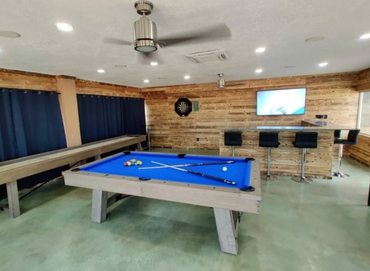
Choosing a pool table involves more than deciding on its size or appearance. The available space, frequency of play, storage requirements, construction, and budget can all influence which type is suitable. One common decision is whether to choose a foldable pool table or a regular pool table.
When comparing Foldable Pool Tables vs Regular Pool Tables: Which Pool Table is Better, there is no single option that works for every household. Foldable tables are designed around portability and efficient storage, while regular tables generally focus on a permanent setup and consistent playing conditions. Understanding these differences can help you choose according to how and where you intend to play.
What Is a Foldable Pool Table?
A foldable pool table is designed so that part of its frame, usually the legs, can be folded when the table is not in use. This makes it easier to store the table against a wall or move it to another area.
Foldable models are commonly available in smaller sizes compared with full-size pool tables. They can be useful in apartments, multipurpose rooms, offices, or homes where a permanent games area is not available.
Advantages of a Foldable Pool Table
The main advantage is space management. Once a game is finished, the table can be folded and stored, allowing the room to be used for other activities.
Portability is another consideration. Depending on its weight and construction, a foldable model may be easier to move between rooms or properties than a conventional pool table.
Installation can also be relatively straightforward because many models require less assembly than larger permanent tables.
What Is a Regular Pool Table?
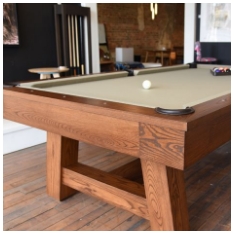
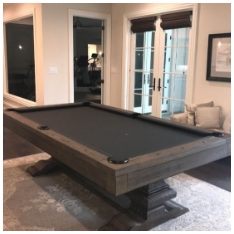
A regular pool table has a fixed frame and is generally intended to remain in one location. These tables are available in different dimensions, including larger sizes commonly used in dedicated games rooms and recreational spaces.
Regular pool tables tend to have heavier frames and playing surfaces. Some models use slate beneath the cloth, while others use alternative materials depending on the table's construction and price range.
Advantages of a Regular Pool Table
A fixed structure can provide greater stability during play. Since the table is not designed to be folded or moved regularly, its legs and frame can support a heavier playing surface.
Regular tables are also available in dimensions closer to those used for formal pool games. This may be useful for players who want more room to practise positioning, cue control, and longer shots.
Foldable Pool Table vs Regular Pool Table for Space
Available floor space is one of the clearest differences between the two options.
A regular pool table requires enough permanent space for both the table and cue movement around every side. Simply measuring the table itself is not sufficient. Players need additional clearance to comfortably take shots.
A foldable table can be more practical when the room serves several purposes. It can be opened when required and stored after use.
Measure the Playing Area First
Before choosing either type, measure the intended room carefully. Consider the table dimensions and the length of the cues you plan to use.
Furniture, walls, doors, and storage units should not interfere with normal cue movement. Taking these measurements before purchasing can prevent space-related problems later.

Compare Playing Experience and Stability
Playing experience can vary considerably depending on the quality and construction of the individual table.
Regular tables often have greater overall weight, which can reduce unwanted movement during a game. A level, rigid frame also helps balls travel consistently across the playing surface.
Foldable tables may be lighter, making portability easier. However, lightweight construction can sometimes result in more movement if the table is placed on an uneven surface or accidentally bumped.
Higher-quality foldable models may include locking mechanisms and adjustable feet to improve stability.
Portability and Storage Requirements
If you expect to move or store the table regularly, a foldable design has a clear practical advantage.
A regular table may require several people or professional assistance to relocate, particularly when it contains a heavy playing bed. For this reason, its position should usually be planned carefully before installation.
Foldable models are more suitable when flexibility is important, although their weight should still be checked before assuming they can be moved easily by one person.
Maintenance and Care
Both types require routine care to maintain the playing surface.
Dust and chalk residue should be removed from the cloth using suitable cleaning methods. Drinks, food, and sharp objects should be kept away from the playing area to reduce the risk of stains or damage.
Check Folding Components Regularly
A foldable table has hinges, locks, and other moving components that may require occasional inspection. Make sure these parts remain secure and function correctly.
Regular tables have fewer folding components, but their level, cloth condition, cushions, pockets, and frame should still be checked periodically.
Consider Cost and Long-Term Use
Price varies according to dimensions, materials, construction, brand, and included accessories rather than simply whether a table is foldable or fixed.
Compact foldable models may have a lower initial cost than large regular tables. However, premium foldable tables can cost more than entry-level fixed models.
Instead of comparing price alone, consider how frequently the table will be used and how long you expect to keep it.
Which Pool Table Should You Choose?
The answer to Foldable Pool Table vs Regular Pool Table: Which Pool Table is Better depends primarily on your space and playing requirements.
Choose a foldable pool table when storage, portability, and flexible room use are priorities. It can suit casual games and households without a dedicated games room.
A regular pool table may be more appropriate when you have sufficient permanent space and want a stable setup for frequent play. It can also suit players who prefer larger dimensions and do not expect to move the table regularly.
Final Thoughts
Both foldable and regular pool tables can provide an enjoyable playing experience when selected according to the available space and intended use. Foldable tables focus on convenient storage and portability, while regular tables generally provide a more permanent and substantial setup.
Before deciding, compare room dimensions, table construction, playing surface, stability, maintenance requirements, and expected frequency of use. Choosing according to these practical factors can help you find a pool table that fits naturally into your home and playing routine.