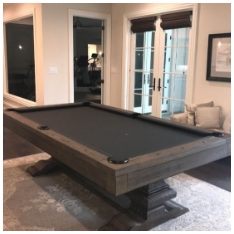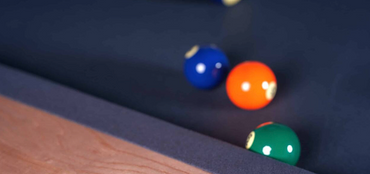
The playing surface is one of the most important parts of a pool table. Its condition affects ball speed, accuracy, spin, and the overall quality of every game. Although the surface is commonly called pool table felt, most modern tables use a specially woven billiard cloth rather than traditional felt.
Choosing the right cloth requires more than selecting a colour. Material, weave, durability, table usage, maintenance needs, and installation quality all influence performance. This Felt for Pool Tables: Billiard Cloth Guide & Replacement Tips article explains the main cloth options, signs of wear, care practices, and the replacement process.
What Is Pool Table Felt?
Pool table felt is the fabric stretched over the slate playing surface and cushions. It creates a consistent surface that allows balls to travel smoothly across the table.
Traditional felt is made by pressing fibres together. Billiard cloth, however, is usually woven from wool, nylon, polyester, or a blend of these materials. The weaving method creates a stronger and more predictable playing surface.
A quality cloth should remain smooth, stay firmly attached to the slate, and resist premature damage from friction, chalk, moisture, and repeated play.

Main Types of Billiard Cloth
The right cloth depends on whether the table is used at home, in a club, in a commercial venue, or for competitive games.
Woollen Pool Table Cloth
Woollen cloth has a soft surface with a noticeable nap. The nap refers to the direction in which the fibres lie.
This type of cloth is commonly found on traditional English pool and snooker tables. It generally produces slower ball movement and requires players to use more force during shots.
Woollen cloth can provide good control, but it may collect chalk and dust more easily. Regular brushing is necessary to keep the fibres aligned and the surface clean.
Worsted Billiard Cloth
Worsted cloth is made from tightly combed and woven wool fibres. It has a smooth surface with little or no visible nap.
Because it creates less resistance, balls move faster and more consistently. Worsted cloth is frequently used on American pool tables and competition-style tables.
It is generally more resistant to pilling and surface marks than woollen cloth. However, it can be more expensive and should be installed carefully to prevent loose areas or wrinkles.
Wool and Nylon Blends
Blended billiard cloth combines the playing characteristics of wool with the durability of synthetic fibres.
This option is commonly chosen for home game rooms, clubs, and commercial spaces. Nylon can improve resistance to tearing, stretching, and frequent use. The exact performance depends on the percentage of wool and synthetic material in the blend.
A higher wool content often provides a smoother playing experience, while a higher synthetic content may increase durability.
How to Choose Felt for a Pool Table
Before purchasing replacement cloth, consider how often the table is used and what type of play it supports.
Match the Cloth to the Table Type
American pool, English pool, and snooker tables may require different cloth characteristics. A fast worsted cloth may suit an American-style table, while a directional woollen cloth may be more appropriate for traditional snooker.
Check the table manufacturer’s specifications before selecting the material.
Consider Playing Speed
Cloth with a smooth, tightly woven surface allows balls to travel quickly. A thicker cloth with a visible nap usually slows ball movement.
Recreational players may prefer a moderate-speed cloth, while experienced players may choose a faster surface for more responsive play.
Review Durability Requirements
A table used occasionally at home may not require the same cloth as a table used daily in a bar or pool hall.
Commercial tables benefit from stain-resistant, tightly woven materials that can withstand repeated play. Household tables offer more flexibility because wear is usually lower.
Select the Correct Size
Pool tables are available in several dimensions, including seven-foot, eight-foot, and nine-foot models. The cloth must cover both the slate bed and the cushion rails.
Purchase a cloth set designed for the exact table size. Insufficient material can make proper stretching and installation difficult.
Signs That Pool Table Felt Needs Replacement
Minor surface issues may be corrected through cleaning or adjustment. However, replacement is usually required when the cloth affects gameplay.
Common signs include:
- Visible tears, holes, or deep scratches
- Loose fabric or wrinkles across the slate
- Uneven ball speed in different areas
- Excessive pilling or fibre shedding
- Permanent stains that interfere with visibility
- Thin sections around frequently used playing areas
- Cloth that has stretched away from the rails
The replacement schedule depends on usage. A lightly used home table may retain its cloth for several years, while a commercial table may require more frequent attention.
How Pool Table Felt Is Replaced
Replacing billiard cloth requires patience and accurate tensioning. Poor installation can create wrinkles, inconsistent speed, and incorrect ball movement.
Remove the Rails and Old Cloth
The rails, pockets, and accessories must be carefully removed. The old cloth is then detached from the slate by removing staples or adhesive.
This stage should be completed without damaging the slate, rail wood, or cushion rubber.
Inspect and Clean the Slate
The slate should be checked for cracks, loose seams, wax residue, dust, and debris. Slate joints may need to be levelled or resealed before new cloth is installed.
A clean and level base is necessary for consistent play.
Stretch and Secure the New Cloth
The new material is positioned over the slate and stretched evenly from multiple directions. It must be tight enough to remain flat without distorting the weave.
Depending on the table design, the cloth may be stapled, glued, or secured using both methods. The rail cloth is fitted separately before the table is reassembled.
Professional installation is often recommended for slate tables because accurate alignment and tension directly influence performance.
Pool Table Cloth Maintenance Tips
Proper maintenance helps preserve appearance and playing quality.
Brush the cloth gently in one consistent direction using a billiard-table brush. Remove loose chalk after regular play and clean the pockets to prevent dust from returning to the surface.
Avoid using household vacuum attachments directly on the cloth because strong suction may stretch the material. When vacuuming is necessary, use a low-suction setting and a suitable upholstery attachment.
Keep drinks, food, sharp objects, and direct sunlight away from the table. A fitted cover can protect the surface from dust, moisture, fading, and accidental damage.
Conclusion
Pool table cloth influences speed, control, accuracy, and long-term table condition. Woollen cloth offers a traditional, slower playing surface, while worsted cloth provides faster and more consistent ball movement. Blended materials can balance performance with durability.
Choosing the correct cloth, maintaining it carefully, and replacing it when wear begins to affect gameplay will help keep the table reliable and enjoyable for years.