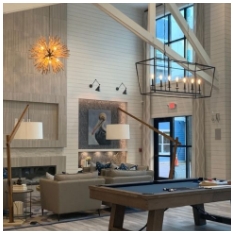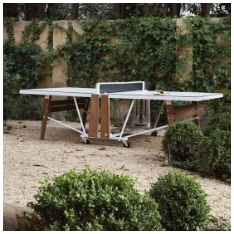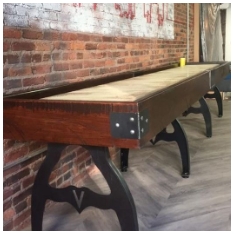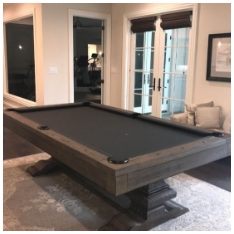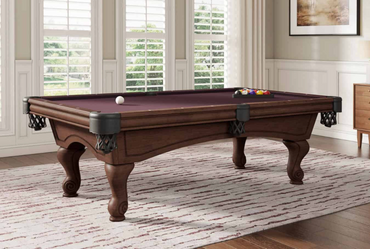
A pool table can serve as both a functional game surface and a central design feature in a premium entertainment room. When selected and positioned carefully, it adds structure, visual balance, and character to the space. The most successful setups combine accurate playing conditions with thoughtful lighting, comfortable seating, suitable materials, and enough room for movement.
Designing Elegant Pool Table Setups for High-End Entertainment Spaces requires more than choosing an attractive table. Every element around it should support gameplay while contributing to the overall interior style. From table size and placement to flooring and storage, each decision affects how the room looks and functions.
Select a Pool Table That Matches the Interior
The pool table is usually the largest and most noticeable item in the room. Its design should therefore complement the surrounding architecture, furniture, and finishes.
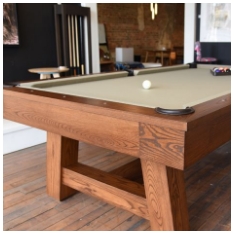
Traditional interiors often suit tables made from dark hardwood, carved legs, leather pockets, and muted cloth colours. Contemporary rooms may work better with clean lines, slim frames, metal details, and neutral finishes. In modern luxury interiors, pool tables with stone, polished wood, or matte surfaces can create a refined appearance without making the room feel overly formal.
The playing cloth also influences the visual tone. Classic green remains suitable for traditional game rooms, while charcoal, navy, burgundy, and beige can coordinate with modern colour schemes. The cloth should provide proper ball movement and remain durable under regular use.
Choose the Correct Table Size
Pool tables are commonly available in seven-foot, eight-foot, and nine-foot formats. An eight-foot table is often suitable for residential entertainment rooms because it offers a comfortable playing experience without requiring the space of a full tournament table.
However, room size should determine the final choice. Players need enough clearance on every side to use full-length cues without striking walls or furniture. For most setups, a minimum of five feet of open space around the table is advisable.

Plan the Room Layout Around Gameplay
A well-designed pool room should allow players and guests to move freely. Avoid placing large sofas, cabinets, or decorative objects within the cueing area. Furniture should support the room without restricting play.
Position the pool table near the centre of the available space whenever possible. This creates visual balance and provides equal clearance around all sides. In larger entertainment rooms, the pool table can define one zone while a bar, lounge, media area, or card table occupies another.
Open-plan layouts benefit from subtle separation. Rugs, ceiling details, lighting zones, or changes in flooring can distinguish the billiards area without adding walls.
Include Comfortable Spectator Seating
Not every guest will be playing at the same time. Seating should therefore offer a clear view of the table while remaining outside the playing zone.
High-backed bar stools, compact lounge chairs, upholstered benches, or built-in seating can work well. A narrow console behind the seating can hold drinks and personal items. For a coordinated look, select upholstery that reflects the pool table cloth, wall colour, or nearby furniture.
Install Focused and Even Lighting
Proper lighting is essential for both gameplay and atmosphere. The pool table surface should be evenly illuminated, with minimal shadows and glare.
A suspended billiard light centred above the table is a practical choice. Linear pendant lights, multi-shade fixtures, or modern LED fittings can also provide suitable coverage. The fixture should hang low enough to direct light onto the playing surface but high enough to avoid obstructing players.
Ambient lighting around the room should be softer. Recessed ceiling lights, wall sconces, concealed strips, and floor lamps can create depth without competing with the table lighting. Dimmers allow the room to shift between active gameplay and relaxed social use.
Use Materials That Support a Refined Setting
Material selection plays a major role in creating a high-end entertainment space. Wood panelling, natural stone, textured wall coverings, leather upholstery, and metal accents can add depth and structure.
Flooring should be durable and stable. Hardwood, engineered timber, luxury vinyl, stone, and low-pile carpet are practical options. Thick rugs should not be placed beneath the table unless the floor is fully level and the rug is unlikely to compress unevenly.
Acoustic materials can also improve the room. Upholstered furniture, curtains, wall panels, and rugs help reduce echoes caused by hard surfaces and billiard balls.
Coordinate Colours Without Overdecorating
A limited colour palette usually produces a more polished result. Choose two or three main tones and repeat them across the table, seating, walls, lighting, and accessories.
Dark colours can create a private club atmosphere, while lighter neutrals make the room feel open and contemporary. Metallic accents such as brass, bronze, blackened steel, or chrome can be introduced through lighting fixtures, table details, and cabinetry.
Add Practical Storage and Accessories
Pool cues, balls, chalk, racks, and maintenance tools need dedicated storage. Wall-mounted cue racks are practical, but built-in cabinets offer a cleaner appearance. Storage can also be integrated into a bar unit, console, or custom wall panel.
Accessories should be selected for quality and consistency. Matching cues, a well-made ball set, a fitted table cover, and a proper triangle rack improve both presentation and usability.
Artwork, framed sporting prints, mirrors, and shelving can personalise the room. However, decorative elements should not distract from the table or reduce available playing space.
Create a Complete Entertainment Experience
A premium pool room can support several activities without becoming crowded. A compact bar, beverage refrigerator, television, sound system, or adjacent lounge area can make the space suitable for longer gatherings.
Technology should be integrated discreetly. Concealed wiring, built-in speakers, hidden charging points, and carefully positioned screens help maintain a clean appearance. Climate control and ventilation are also important, particularly in enclosed basement or attic rooms.
Conclusion
An elegant pool table setup depends on balance, proportion, and practical planning. The table should match the interior, while the layout must provide sufficient playing clearance and comfortable seating. Focused lighting, durable materials, coordinated colours, and organised storage complete the design.
By treating the pool table as both a game feature and a major piece of furniture, homeowners and designers can create an entertainment room that feels considered, comfortable, and suitable for regular use.